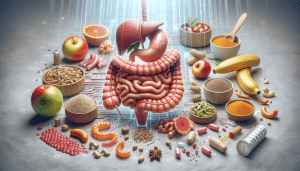
Unlocking the Power of Gut Health for Total Wellness
Camila Duarte October 17, 2025
Explore how gut health shapes your wellness, mood, and immune system. This guide answers common questions about the gut microbiome, reveals how food and lifestyle affect digestion, and uncovers habits that can restore balance for more energy and resilience.
The Gut Microbiome: Your Body’s Inner Ecosystem
Few realize that the trillions of bacteria living inside the digestive tract can shape almost every aspect of wellness. Collectively called the gut microbiome, these microbes help digest food, produce essential vitamins, and even communicate with the brain. The diversity of gut bacteria is a major sign of gut health, with rich and varied populations linked to everything from better metabolism to a stronger immune system. When this microscopic ecosystem is disrupted by poor diet, stress, or medication, many people notice changes in digestion and sometimes mood. By understanding the importance of the gut microbiome, it becomes easier to make daily choices that protect and nourish it.
Scientists are uncovering new links between gut bacteria and chronic conditions like diabetes, allergies, and obesity. Interestingly, certain strains play specialized roles—some boost metabolism, while others strengthen the gut barrier or influence how the body processes sugar. Even immune function is closely connected to the balance found within the digestive tract. The interplay between these tiny organisms and well-being has led to a surge of interest in prebiotics and probiotics, which can support beneficial bacteria in unique ways. By nurturing these helpful microbes, individuals may find increased resilience against illness and more stable energy throughout the day.
This inner world changes constantly. Diet, sleep, stress, and medication all leave their mark on the gut microbiome. Researchers now believe that restoring microbial balance after antibiotics or illness might hasten recovery and reduce the chance of new problems. The right dietary habits and lifestyle choices truly have the power to tilt this inner ecosystem toward wellness. For many seeking more energy, better mood, and fewer digestive complaints, caring for gut bacteria offers a science-backed starting point.
How Food Choices Transform Gut Health
Every bite eaten feeds not just the body, but the trillions of microbes within it. Fiber-rich fruits, vegetables, whole grains, nuts, and seeds provide nourishment for beneficial bacteria to thrive. These foods supply prebiotics—compounds that beneficial microbes use as fuel. In return, gut bacteria break fiber down into short-chain fatty acids, which lower inflammation and support gut lining health. Even modest changes in dietary patterns can rapidly alter the composition of the gut microbiome, sometimes within just a few days. For those wanting to foster vital gut bacteria, increasing plant-based foods is one of the simplest and most impactful strategies available.
On the other hand, diets high in ultra-processed food, added sugars, and excess animal fat sometimes tip the balance towards less desirable microbes. This can weaken the gut barrier, raising risk for uncomfortable digestive symptoms and even some chronic illnesses. Artificial sweeteners, found in many diet beverages and snacks, may also affect microbial diversity. Given this, many nutrition experts recommend choosing whole, minimally-processed foods whenever possible. Trying out different fibers—from lentils to oats to artichokes—keeps the microbiome diverse and resilient.
Many people also wonder about fermented foods like yogurt, kefir, sauerkraut, and kimchi. These contain live cultures, known as probiotics, which can help restore balance if the gut microbiome is out of sync. Though not everyone needs supplements, eating a variety of fermented foods a few times a week is increasingly recommended by gut health researchers. Exploring new flavors and recipes might support both digestive wellness and the pleasure of eating.
Stress, Sleep, and the Gut-Brain Connection
The gut has earned the nickname “the second brain.” This organ’s nervous system, the enteric nervous system, communicates with the brain along what’s called the gut-brain axis. Stress can affect gut function fast—triggering cramps, nausea, or changes in bowel habits for many individuals. Chronic stress alters gut motility and lowers the number and diversity of beneficial bacteria. Meanwhile, a resilient, balanced gut can buffer some of the negative impacts of stress, keeping mood and digestion steadier.
Sleep quality is deeply intertwined with gut well-being. Poor or irregular sleep patterns are associated with changes in gut bacteria and more digestive complaints. On the positive side, making rest a priority may support both mental sharpness and a healthier microbiome. Relaxation routines—such as evening walks, mindfulness, or gentle yoga—are considered helpful for resetting both the gut and the mind. For those experiencing sleep difficulties, improving gut health may be an additional piece of the wellness puzzle.
Emerging studies show that gut microbes can influence the production of serotonin, dopamine, and other neurotransmitters involved in mood. This means that taking care of the digestive system impacts anxiety, motivation, and emotional resilience. Mindful eating, where individuals tune into taste, texture, and hunger cues, offers a double benefit—supporting both digestion and emotional regulation. Managing daily stress and aiming for enough sleep pays extra dividends for gut and brain alike.
Recognizing Signs of Gut Imbalance
Gut imbalances can show up in many unexpected ways. Signs like bloating, gas, constipation, or diarrhea are common, but mood swings, fatigue, and frequent colds may also point to an unhealthy microbiome. Recurrent digestive disruptions after new foods or illness may suggest that gut bacteria need attention. Observing these clues helps individuals identify patterns and take steps to restore harmony internally.
Food intolerances, especially to dairy or gluten, sometimes reflect trouble in how the gut processes certain ingredients. Skin issues—including rashes or eczema—occasionally signal underlying gut problems. Because symptoms are so varied, keeping a food and symptom diary can reveal trends or food triggers that may have gone unnoticed. This gentle investigative approach gives people control over their wellness journey and highlights the connection between gut health and daily comfort.
Recent research also suggests that a drop in microbial diversity can appear after antibiotics or during periods of high stress. Signs of imbalance are the body’s way of calling for extra support. Instead of strict elimination diets, many experts advise gradual changes—more fiber, more fermented foods, and a focus on whole ingredients—to help the gut rebalance over time. Monitoring symptoms, adjusting routines, and seeking professional guidance when needed form the foundation for a more comfortable, energized life.
Lifestyle Habits That Encourage Microbial Balance
Gut health flourishes when given a little daily care. Regular movement, whether brisk walking, gentle stretching, or favorite sports, stimulates digestion and enhances healthy blood flow to gut tissues. Staying hydrated is essential as well—it helps keep the digestive tract running smoothly and may support the overall microbial environment. Spending time outside and engaging in activities that build community can reduce stress and support both immune health and microbial diversity.
Antibiotics, though sometimes necessary, can disrupt beneficial bacterial populations. After a course of antibiotics, eating more prebiotic and probiotic-rich foods is advised to help rebuild the microbiome. Many wellness experts also recommend minimizing unnecessary medication use and asking healthcare providers about gut-friendly options when possible. Little daily choices—like sipping herbal tea, experimenting with fiber-rich snacks, or trying new fruits—add up over weeks and months to support lasting digestive comfort.
Some individuals also explore mindfulness techniques that emphasize body awareness and relaxation. These practices calm the nervous system and can further improve the gut-brain connection. Taking a few moments each day to check in with hunger, fullness, and emotional state creates a positive relationship with eating—and helps individuals respond flexibly to body cues. These lifestyle adjustments foster a sense of empowerment in those seeking better gut wellness.
Seeking Expert Guidance on Gut Wellness
There are times when at-home strategies and general habits aren’t enough. Persistent digestive symptoms, substantial weight changes, or severe fatigue may deserve attention from a healthcare provider. Registered dietitians and gastroenterologists can recommend evidence-based approaches, including specialized testing or tailored nutrition plans. A growing field of microbiome medicine is emerging, offering consultations and personalized tips for restoring gut function. Consulting experts is especially wise for those with underlying health issues or unexplained ongoing symptoms.
For people interested in preventive care, regular screenings and check-ins may help track wellness and highlight opportunities for early intervention. Healthcare professionals can explain test results and guide individuals toward sustainable changes. There’s no single diet or supplement that works for everyone, and expert support ensures strategies are truly effective and safe. Open communication about symptoms, history, and goals leads to better personalization and more positive results.
Most importantly, every step toward supporting gut wellness—whether it’s tweaking food choices, adding a new habit, or seeking guidance—builds self-understanding. Over time, patterns become clearer and individuals feel empowered to experiment within a safe framework. The body’s signals, once mysterious, become reliable guides for wellness. The growing science of gut health promises new discoveries, but even now, practical steps can bring lasting comfort and vitality.
References
1. National Institutes of Health. (n.d.). The human microbiome. Retrieved from https://www.nih.gov/news-events/nih-research-matters/human-microbiome
2. Harvard T.H. Chan School of Public Health. (n.d.). The nutrition source: Fiber. Retrieved from https://www.hsph.harvard.edu/nutritionsource/carbohydrates/fiber/
3. Johns Hopkins Medicine. (n.d.). The brain-gut connection. Retrieved from https://www.hopkinsmedicine.org/health/wellness-and-prevention/the-brain-gut-connection
4. Mayo Clinic. (n.d.). Prebiotics, probiotics and your health. Retrieved from https://www.mayoclinic.org/healthy-lifestyle/nutrition-and-healthy-eating/in-depth/probiotics/art-20045345
5. World Gastroenterology Organisation. (n.d.). Diet and the gut. Retrieved from https://www.worldgastroenterology.org/publications/diet-and-the-gut
6. American Gastroenterological Association. (n.d.). Gut health and wellness. Retrieved from https://www.gastro.org/practice-guidance/gi-patient-center/topic/gut-health

 Unraveling Artificial Intelligence and Everyday Impacts