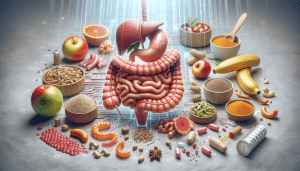
Everyday Habits That Truly Boost Your Gut Health
Camila Duarte October 31, 2025
Want to keep digestion smooth and energy levels high? Explore proven, science-backed habits that support your gut health. This practical guide covers everything from probiotics and diet diversity to the impact of stress on your digestive system. Unlock actionable wellness tips for a happier, healthier gut.
Gut Health Basics Most People Overlook
The gut is more than a digestive organ; it’s home to trillions of bacteria, fungi, and other microbes forming your gut microbiome. This ecosystem influences digestion, immunity, and overall well-being. Research reveals that your daily food and lifestyle choices directly affect your microbiome’s balance, shaping everything from nutrient absorption to immune response (https://www.hsph.harvard.edu/nutritionsource/microbiome/).
Disrupting your gut balance can lead to uncomfortable symptoms. Many experience bloating, irregularity, or even fatigue when the gut ecosystem is off. Medical experts suggest that processed foods, excessive antibiotics, and chronic stress are key factors in compromising digestive wellness. Staying mindful of these triggers is step one towards a thriving microbiome.
Surprisingly, even sleep quality and hydration play essential roles in digestive function. When you sleep well and drink enough water, the body maintains smoother motility and supports optimal microbial activity. Focusing on a few basics builds a resilient foundation for gut wellness that supports long-term health outcomes.
Diet Diversity and Fiber: A Key Combo for Gut Strength
Eating a variety of whole foods helps populate the gut with beneficial bacteria. Scientists recommend rotating fruits, vegetables, legumes, nuts, and seeds to feed different types of microbes. This diversity helps increase resilience against pathogens and reduces digestive discomfort. The more varied your plant intake, the broader your gut’s protective network becomes (https://nccih.nih.gov/health/probiotics/introduction.htm).
Fiber is like fuel for healthy gut bacteria. Both soluble and insoluble fibers serve unique purposes—soluble fiber nourishes good microbes, and insoluble fiber keeps things moving. Most health organizations recommend at least 25–30 grams of fiber daily. Incorporating whole grains, beans, and berries can help meet this goal without requiring drastic dietary overhauls.
It’s not just about plant foods. Fermented items like yogurt, kefir, kimchi, and sauerkraut introduce probiotics that can further support digestion. Mixing these options into your weekly routine could help improve food tolerance and energy levels. The science behind fermented foods continues to grow, showing real promise for those dealing with GI distress.
Probiotics and Prebiotics: What’s the Real Difference?
Probiotics are live microorganisms that, when consumed, can provide health benefits to the host. Common sources include fermented milk products and supplements. While many people reach for probiotics to ease digestive woes, not all strains offer the same results. Individual responses vary, but evidence suggests select probiotics help with symptoms like diarrhea, IBS, and lactose intolerance (https://www.gastro.org/practice-guidance/gi-patient-center/topic/irritable-bowel-syndrome/).
Prebiotics are non-digestible fibers that feed the probiotics in your gut. Foods such as onions, garlic, bananas, asparagus, and chicory root are top sources. Blending prebiotic foods with probiotics creates synbiotic effects, meaning they work together to maximize gut health. This synergy has been shown to support immune function and regularity.
It’s essential to read labels carefully and choose probiotic products with clinically researched strains. Not every yogurt or drink with “probiotic” in the name contains enough live cultures to make a difference. Consulting reliable health resources helps consumers select effective options for their individual needs, including people managing specific GI conditions.
How Stress and Sleep Impact Your Gut’s Balance
The gut-brain connection is powerful. Chronic stress can alter your gut bacteria, slowing digestion and even causing pain or digestive upset. Research confirms that high stress links to higher rates of irritable bowel syndrome and inflammatory bowel diseases. Breathing exercises, mindfulness routines, and supportive relationships can help offset tension’s impact on your digestion (https://www.nimh.nih.gov/health/publications/stress/index.shtml).
Sleep quality matters just as much. Science shows that even short-term sleep disruptions change gut bacteria composition and immune responses. The microbiome follows a circadian rhythm! Prioritizing consistent bedtimes, digital-free evenings, and restful environments helps fortify your gut and keeps mood more stable.
When stress and sleep restoration are part of your routine, digestion tends to become more predictable. Some find that gentle movement—like walking or yoga—further reduces tummy discomfort. Combining stress management with regular sleep might unlock persistent improvements in energy and well-being.
Smart Ways to Spot Gut-Imbalance Signs Early
Gut imbalances rarely appear overnight. Early signals may include inconsistent bowel movements, uncomfortable bloating, or excessive gas. Other hints that your microbiome may be out of balance include new food sensitivities or frequent fatigue. Paying close attention to these changes can empower earlier support-seeking (https://www.cdc.gov/digestive-diseases/index.html).
Sometimes, changes in skin health, mood, or even brain fog may trace back to gut disruptions. As research into the gut-brain axis grows, experts recommend journaling symptoms alongside dietary habits to reveal patterns. This process often highlights which foods or routines might need adjustment.
Doctors advise discussing ongoing or severe digestive symptoms with a medical professional. While many gut complaints can be managed with lifestyle tweaks, some signal underlying issues requiring specialist care. Early conversations support both peace of mind and more effective, targeted interventions.
Everyday Habits to Support Long-Term Digestive Wellness
Bringing everything together, the most effective gut habits are simple: Eat real, diverse foods. Stay hydrated, get regular movement, and pay attention to your body’s signals. Combining fiber-rich meals with fermented foods and managing stress supports gradual, sustainable gut improvement (https://www.eatright.org/health/wellness/digestive-health/simple-steps-to-boost-your-gut-health).
Building healthy habits doesn’t require perfection or rigid regimens. Many find starting with one small change—adding a veggie to lunch or swapping soda for water—easier to maintain over time. Consistency is more impactful than intensity where digestive health is concerned. Making habits enjoyable increases their sticking power.
Finally, keep making time for stress relief and restful sleep. A strong gut creates a ripple effect through the body, boosting immunity, energy, and even mood. With so much of health linked to digestion, these practical habits are truly worth exploring at your own pace.
References
1. Harvard T.H. Chan School of Public Health. (n.d.). The Microbiome. Retrieved from https://www.hsph.harvard.edu/nutritionsource/microbiome/
2. National Center for Complementary and Integrative Health. (n.d.). Probiotics: What You Need to Know. Retrieved from https://nccih.nih.gov/health/probiotics/introduction.htm
3. American Gastroenterological Association. (n.d.). Irritable Bowel Syndrome. Retrieved from https://www.gastro.org/practice-guidance/gi-patient-center/topic/irritable-bowel-syndrome/
4. National Institute of Mental Health. (n.d.). 5 Things You Should Know About Stress. Retrieved from https://www.nimh.nih.gov/health/publications/stress/index.shtml
5. Centers for Disease Control and Prevention. (n.d.). Digestive Diseases. Retrieved from https://www.cdc.gov/digestive-diseases/index.html
6. Academy of Nutrition and Dietetics. (n.d.). Simple Steps to Boost Your Gut Health. Retrieved from https://www.eatright.org/health/wellness/digestive-health/simple-steps-to-boost-your-gut-health

 Hidden Costs You Might Miss When Buying a Home