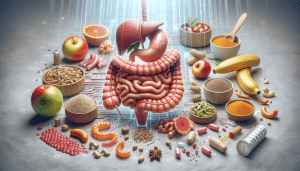
Surprising Benefits of Gut Health for Everyday Wellness
Camila Duarte September 25, 2025
Discover why gut health matters for your daily well-being and how it connects to energy, mood, and immunity. This in-depth guide explores the science behind your digestive system and how good gut habits can make a meaningful difference in your health journey.
Understanding the Gut Microbiome and Its Role in Your Body
The gut microbiome is a complex and diverse community of microorganisms living in the digestive tract. Research shows these tiny organisms are involved in much more than just processing the food you eat. They play a vital role in nutrient absorption, metabolic regulation, and maintaining the balance of your immune system. The unique combination of bacteria, fungi, and viruses in your gut directly affects how well the body digests fiber, proteins, and fats. These microbes perform important functions by breaking down dietary components, producing essential vitamins, and defending against harmful invaders. When the gut microbiome remains balanced, the whole body benefits – but when it becomes disrupted, negative effects often ripple throughout the system.
Your digestive tract’s microbiome communicates with other organ systems using chemical messengers such as neurotransmitters and hormones. This communication network, often called the ‘gut–brain axis,’ is believed to affect mood and mental health. Scientific studies reveal that people with a healthy diversity of gut bacteria tend to experience lower levels of anxiety and greater emotional stability. So, keeping your gut balanced may play a role in how you react to stress or feel on a daily basis. The pathways between your gut and your brain are both complex and fascinating, underscoring just how interconnected your body systems truly are (Source: https://www.ncbi.nlm.nih.gov/pmc/articles/PMC5641835/).
Scientists also study how the gut microbiome influences immune response. Around 70% of the body’s immune cells are located along the digestive tract, making it a key site for defending against illness. A diverse range of friendly gut bacteria helps keep the immune system responsive but appropriately restrained – fighting off pathogens while leaving beneficial cells untouched. In this way, supporting gut health might make the immune system work smarter, not harder. Eating a diet rich in prebiotic fibers, for instance, helps nourish helpful microbes and may enhance your resistance to infection (Source: https://www.hsph.harvard.edu/nutritionsource/probiotics-and-prebiotics/).
Common Factors That Influence Gut Health Every Day
Many everyday choices influence how well your digestive system functions. Among the most influential factors are dietary habits, use of antibiotics, sleep quality, and stress levels. Consuming a varied diet full of whole plants, legumes, and fermented foods can introduce both prebiotics and probiotics that encourage balanced gut flora. In contrast, an overly processed or sugar-heavy diet tends to reduce diversity and favor species linked to inflammation. Even small, incremental dietary changes can yield benefits over time by promoting resilience and healthy functioning of the gut ecosystem (Source: https://www.cdc.gov/nutrition/index.html).
Medications such as antibiotics, while life-saving in many scenarios, can also disrupt the microbiome by wiping out both harmful and beneficial bacteria. This can sometimes lead to digestive discomfort or make the gut vulnerable to unwanted invaders like C. difficile. Healthcare providers often recommend taking probiotics or eating probiotic-rich foods during and after antibiotic treatment to support a healthy composition of gut microbes. It is important to discuss any persistent changes with a professional, as restoring a robust microbiota is crucial for overall wellness.
Stress has a surprisingly strong impact on the digestive tract. The body’s stress response, though useful in emergencies, can negatively affect the balance of gut bacteria and slow digestion. Chronic stress disrupts the production of saliva, stomach acid, and digestive enzymes, making it harder to absorb nutrients even when eating healthy food. Mindfulness, breathing exercises, or gentle movement such as yoga can all help regulate the gut-brain connection, making daily stress less likely to interfere with digestive well-being (Source: https://www.apa.org/topics/stress/gut-health).
Gut Health and Its Hidden Link to Immune Strength
An often-overlooked connection is the role your digestive system plays in immune defense. The lining of your gastrointestinal tract acts as a powerful barrier against infectious agents, working alongside the gut microbiome to repel germs. When beneficial microbes outnumber harmful ones, this protective effect is stronger. But if the microbiome loses diversity—often due to a poor diet or frequent antibiotic use—the gut wall can become more permeable, a phenomenon known as ‘leaky gut.’ This makes it easier for pathogens and allergens to enter the bloodstream, which may drive system-wide inflammation and even trigger autoimmune responses.
Bacteria in the gut actively signal immune cells using metabolic byproducts and encourage the production of anti-inflammatory compounds. Certain strains are recognized for reducing risk markers for diseases like Type 1 diabetes and some forms of allergy. Scientists believe that nurturing these bacteria through intentional diet and lifestyle choices may provide an avenue to support healthy immune function at the source. The emerging science is still evolving, but early studies show encouraging patterns supporting the importance of microbial health (Source: https://www.niaid.nih.gov/diseases-conditions/microbiome).
This interplay between gut and immune cells extends even to the ability to recover from common respiratory illnesses. Those with well-balanced gut microbial communities may notice fewer infections or less severe symptoms when sick. Some research also suggests that individuals with healthier guts tend to respond more robustly to vaccines, potentially due to more adaptive immune signaling. While individual outcomes will differ, focusing on intestinal wellness may be a key, overlooked part of a holistic immune-boosting strategy.
Gut-Brain Connection: The Surprising Impact on Mood and Mental Clarity
The ‘second brain’ in the gut, known as the enteric nervous system, contains millions of nerve cells that communicate directly with your brain. This system not only helps regulate digestion but also affects your overall mood and cognitive functions. Neurotransmitters like serotonin, which influence feelings of happiness and contentment, are largely produced in the gut, not the brain. That’s a remarkable fact for anyone interested in natural ways to support emotional wellness through diet and lifestyle.
Recent clinical trials observe that imbalances in gut flora are common among people experiencing anxiety, depression, and brain fog. Probiotic supplements, prebiotic fibers, and fermented foods such as yogurt, kefir, or kimchi have been shown to assist with mood and cognitive symptoms in some research settings. These findings suggest that tending to gut health may have far-reaching effects beyond digestion, impacting everything from mental stamina to how well one copes with daily life stressors (Source: https://www.health.harvard.edu/mind-and-mood/the-gut-brain-connection).
Further supporting this connection, lifestyle interventions like regular exercise, sleep hygiene, and eating high-fiber foods contribute to both gut function and emotional stability. Many who prioritize these habits notice improvements in focus, clearer thinking, and greater emotional regulation. While many other factors influence mental wellness, the gut-brain axis has become a promising area for new strategies in holistic care, inviting more people to tune in to how what they eat feels in their body and mind.
Simple Strategies to Support Your Gut’s Daily Function
Bolstering your digestive health doesn’t require drastic changes. For most, progress starts with adding more plant foods, especially those high in fiber, like beans, oats, and berries. Drinks such as kombucha, and foods like sauerkraut and miso, can provide live cultures that help the gut maintain its natural diversity. Small, consistent efforts—such as replacing a refined snack with whole fruit—build a more resilient gut environment over weeks and months.
In addition to dietary tweaks, managing stress and prioritizing restful sleep play major roles in nurturing healthy gut function. The gut restores itself each night, and regular sleep patterns support the natural rhythms of digestion. Even moderate physical activity can help food move comfortably through the system, preventing common issues like bloating or constipation. The goal is to establish habits that are sustainable long-term, since the benefits of gut health truly compound over time (Source: https://www.cdc.gov/healthyweight/healthy_eating/index.html).
Sometimes, individual needs require guidance from a registered dietitian, especially for those with digestive disorders or specialized diets. Personalized approaches can help identify which foods might trigger sensitivities and how best to optimize gut health in specific circumstances. Many find that paying attention to how different meals affect energy, comfort, and clarity can reveal unique patterns suited to their own bodies. Over time, building these listening skills becomes a form of self-care, supporting overall vitality and resilience.
What Research Suggests About the Future of Gut Health
Interest in gut health is rapidly expanding in scientific circles. While much remains to be discovered, researchers foresee a future where new diagnostic tools allow individuals to routinely assess their gut microbiome. These values could help guide habit changes or the use of targeted probiotics. Personalized nutrition plans, suited to one’s specific microbial makeup, might become more widely accessible in years to come.
Clinical research into conditions like inflammatory bowel disease, obesity, and mental health continues to spotlight the importance of digestive wellness in whole-body health. Many scientists hope that by understanding microbial patterns better, they can uncover preventative steps or new therapies for common and chronic illnesses. The microbiome’s influence is vast, touching metabolism, cardiovascular function, and even the progression of certain neurological conditions (Source: https://www.nih.gov/news-events/nih-research-matters/managing-microbiome-promote-health).
One thing is clear: the gut will remain a major focus in public health, clinical care, and daily wellness strategies. Everyone can take steps to support their digestive tract now while watching for new evidence-based recommendations as science evolves. Staying informed and flexible, while establishing smart habits today, supports not only gut health but overall well-being for years to come.
References
1. Mayer, E. A., Knight, R., Mazmanian, S. K., Cryan, J. F., & Tillisch, K. (2014). Gut Microbes and the Brain: Paradigm Shift in Neuroscience. Retrieved from https://www.ncbi.nlm.nih.gov/pmc/articles/PMC5641835/
2. Harvard School of Public Health. (n.d.). Probiotics and Prebiotics. Retrieved from https://www.hsph.harvard.edu/nutritionsource/probiotics-and-prebiotics/
3. Centers for Disease Control and Prevention. (n.d.). Nutrition. Retrieved from https://www.cdc.gov/nutrition/index.html
4. American Psychological Association. (n.d.). Gut Health and Stress. Retrieved from https://www.apa.org/topics/stress/gut-health
5. National Institute of Allergy and Infectious Diseases. (n.d.). Microbiome. Retrieved from https://www.niaid.nih.gov/diseases-conditions/microbiome
6. Harvard Health Publishing. (n.d.). The gut-brain connection. Retrieved from https://www.health.harvard.edu/mind-and-mood/the-gut-brain-connection

 Steps to Build a Resilient Entrepreneurial Mindset