Travel Experiences That Inspire Creativity and Learning
Julian Novak September 26, 2025
Imagine returning from a trip not just with photos, souvenirs, and stories — but with new ideas, deeper insights, and fresh creative energy. That’s the promise of creative travel — travel that inspires learning, pushes your boundaries, and nurtures your imagination. In 2025, this evolving travel style is taking center stage as more people look for experiences that feed both their curiosity and their creativity.
In this article, we’ll explore a key creative travel trend for 2025: creative tourism, powered by narrative-driven itinerary design and experience immersion. We’ll define the concept, explore why it matters now, and show you how to plan a journey that inspires creativity and learning at every step. (We’ll use the keyphrase “creative travel” throughout.)
By the end, you’ll be ready to design a trip that doesn’t just move you across space — it stretches your mind.
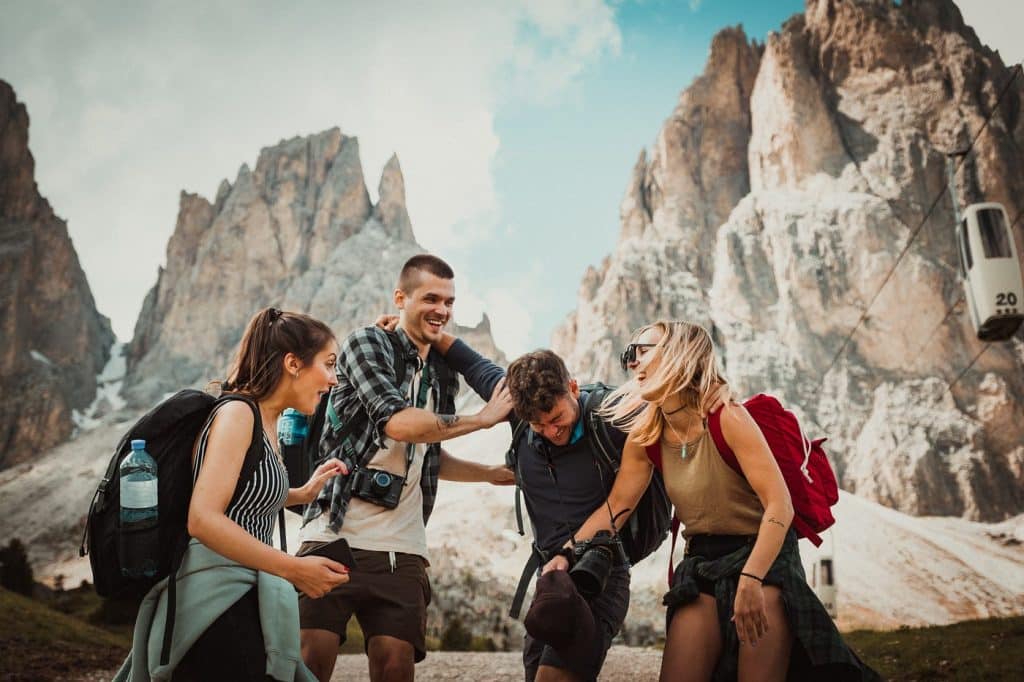
What Is Creative Tourism — And Why It’s Trending Now
Creative tourism refers to travel experiences that emphasize active participation in local culture, arts, crafts, skills, and traditions, rather than passive sightseeing. Rather than just visiting a museum, you might take a pottery class with a local artisan; instead of riding a bus past landscapes, you might walk the fields with a farmer and learn regenerative farming practices.
This trend is gaining momentum. Destinations and travel operators are shifting toward experience-rich, skill-based offerings that travelers can bring into their everyday lives.
Key drivers behind the rise of creative travel:
- Travelers increasingly seek meaning and personal transformation, not just “checklist” trips.
- Destinations are looking to differentiate with authentic, local, and slower-paced offerings rather than mass tourism.
- Advances in itinerary technology and narrative planning make it easier to blend culture, storytelling, and logistics seamlessly.
One cutting-edge development is narrative-driven travel planning, where itineraries are constructed as story arcs — complete with thematic transitions, character roles, and cultural context. In early 2025, researchers introduced a system called NarrativeGuide, which generates geoculturally grounded scripts and uses optimization to ensure that the travel flow feels coherent and meaningful.
This approach adds depth: you don’t just visit a place, you become part of a story — and that narrative framing helps embed learning and creative insight.
Why Travel Catalyzes Creativity & Learning
Before diving into how to plan, let’s look at why travel can fuel creativity.
1. Cognitive Flexibility Through Novelty
Immersing yourself in unfamiliar settings forces your brain to adapt — to reframe assumptions, find new patterns, and reconcile different perspectives. That stretching is the essence of creative thinking.
A study published in Psychology Today notes that cultural and environmental novelty prompt the brain to “rewire” connections, promoting innovation.
2. Multicultural Exposure and Creative Thinking
Extended stays in foreign cultures (e.g. living abroad) have been empirically linked to greater creative performance. A widely cited study found that students with study-abroad experience scored higher on both domain-specific creative tasks and general creativity tests than students without such experience.
That effect is thought to come from cultural frame switching — the ability to switch between different cultural mindsets, which allows more integrative and flexible thinking.
3. Rest, Recovery & Creative Incubation
Creativity isn’t about constant brainstorming — it also needs rest. A longitudinal study of workers found that creativity tends to improve after vacations, especially when those vacations incorporate mastery experiences (learning or challenge), meaningful engagement, and detachment from work.
Travel that lets you pause mental routines and then re-enter work with fresh perspective gives space for ideas to incubate.
These dynamics make creative travel a powerful tool: you’re mixing novelty, cultural stimulus, reflective downtime, and active learning.
How to Design a Creative Travel Experience (Step-by-Step)
Below is a guide you can follow when planning a trip centered around creativity and learning.
Step 1: Define Your Creative Intent
Start by clarifying what you want to deepen:
- Do you want to hone a specific skill (e.g. photography, ceramics, creative writing)?
- Are you seeking cultural insight (language, folklore, artisan methods)?
- Do you want mental refreshment or fresh perspectives for your work or business?
This intention becomes your narrative axis, guiding all decisions.
Step 2: Choose Destinations Aligned with Creative Themes
Not every place suits every creative goal. Look for:
- Cultural hubs where traditional arts are alive (e.g. Kyoto, Oaxaca, Fez).
- Rural or regenerative farm stays for immersive nature and hands-on agriculture (a growing wellness travel trend).
- Lesser-known towns where local community projects offer artistic or craft residencies.
- Sites already offering creative tourism programs — workshops, residencies, artisan networks.
Step 3: Build a Narrative-Driven Itinerary
Rather than a list of stops, structure your journey like a story:
- Introduction / Arrival — orientation, light cultural immersion
- Rising action — progressively deeper workshops, interactions, challenges
- Climax / immersion — your full creative or learning project
- Denouement / reflection — downtime, synthesis, sharing
Use transitions carefully. For example, move from exploring a craft village to working with artisans. Or shift from a city art walk into a studio residency. NarrativeGuide is a prototype tool that automates such transitions while keeping coherence.
Step 4: Layer in Micro-Experiences
Between big activities, sprinkle small, curiosity-led tasks:
- Try local cooking or fermentation classes
- Walk neighborhoods with a sketchbook
- Visit informal maker spaces or artist open studios
- Offer conversation exchange with locals
- Use journaling prompts tied to each evening
These micro-moments extend creative engagement beyond scheduled sessions.
Step 5: Build in Reflection & Incubation Time
Don’t overload. Leave buffer days or half-days for:
- Journaling or free writing
- Walking in nature
- Revisiting ideas from earlier in the trip
- Resting and letting your mind synthesize
The incubation period is when many creative breakthroughs happen.
Step 6: Bring Tools That Support Insight
Pack or plan for:
- A travel journal or sketchbook
- A compact camera or smartphone with good photo apps
- A voice or video recorder for capturing local stories
- A lightweight reading list (local literature, guidebooks, craft manuals)
- A portable notebook or iPad for digital sketching or writing
Step 7: Capture and Carry Forward the Experience
To translate inspiration into lasting creativity:
- At the end of each day, list your “two creative lessons.”
- On trip closure, compile an “idea inventory” — phrases, images, techniques you want to explore later.
- Commit to a post-trip project, such as a series of sketches, an essay, a photo essay, or a craft piece that integrates insights.
- Share with a small audience — blog, local meetup, creative circle — which reinforces accountability and reflection.
Examples & Emerging Topics in Creative Travel
Regenerative Farming and Agriculture as Creative Canvas
One recent trend is regenerative farm stays, blending mindfulness, ecology, and creative practice. Guests participate in land restoration, learn seed saving, ferment foods, and engage in storytelling around seasonality.
This model positions the farm as both canvas and teacher — perfect for creativity rooted in place.
Creative Tourism Circuits
Cities are building artisan circuits or creative neighborhoods — clusters of studios, maker spaces, galleries, and workshops designed to host visitors on curated artistic journeys. This fosters local ecosystems and offers travelers concentrated creative access.
Narrative-Driven Planning Tools
As noted, tools like NarrativeGuide are emerging to make travel planning smarter — matching narrative arcs, cultural fit, and time efficiency.
Over time, more travel platforms may integrate narrative suggestions or creative pathways as booking options.
Tips & Pitfalls: How to Get the Most from Creative Travel
- Stay long enough for immersion. Short two-day stints may scratch the surface; deeper creative travel often requires 5–10 days or more.
- Balance planned structure with room for spontaneity. Too rigid, and you lose space for serendipity — too loose, and your creative intent may wander.
- Engage locals deeply. Try to meet non-tourist locals, artisans, or cultural workers. Their stories and tacit knowledge enrich your experience.
- Don’t overcommit. Keep breathing space; creative processing needs gaps.
- Document liberally. Photos, audio, sketches — especially later, these raw materials will spark ideas.
- Manage expectations. You may not produce a masterpiece on the trip — the real payoff is in later synthesis.
The Future of Creative Travel & Learning
In 2025 and beyond, creative travel is poised to shift from niche to mainstream. As travelers in search of purpose grow, demand for meaningful, local, immersive, skill-based offerings will expand.
Expect these developments:
- More platforms offering creative itineraries tailored by interest (e.g. art, music, permaculture).
- AI / algorithmic narrative planning embedded in booking tools (as in NarrativeGuide).
- Partnerships between universities, residencies, and destinations to offer travel-embedded courses or micro-credits.
- Creative communities designing full-year “travel residencies”, where individuals move among regions while developing long-term projects.
For those who want travel to be more than escape — who want it to provoke, open, and reshape — creative travel offers a framework to make journeys matter.
Conclusion
If your goal is not just to see new places but to return with new perspectives, creative fuel, and deeper insights, creative travel is your ticket. By combining narrative-driven planning, immersive skill-based experiences, and intentional reflection, your trip becomes more than a vacation — it becomes a laboratory for creativity and learning.
Plan with purpose, engage deeply, leave space for thought, and bring your tools. When done right, creative travel can recalibrate how you see the world — and how you see yourself.
References
- Condé Nast Traveler. (2025, January 4). The biggest travel trends to expect in 2025. Available at: Traveler. https://www.cntraveler.com (Accessed: 26 September 2025)
- Lee, C. S., Therriault, D. J., & Linderholm, T. (2012). On the cognitive benefits of cultural experience: Exploring the relationship between studying abroad and creative thinking. Applied Cognitive Psychology, Available at: https://education.ufl.edu (Accessed: 26 September 2025)
- Nawijn, J., Mitas, O., Lin, Y. P., & Kerstetter, D. (2022). How leisure travel influences creativity: A longitudinal study. Frontiers in Psychology, 12, 773832. National Center for Biotechnology Information. Available at: https://pmc.ncbi.nlm.nih.gov (Accessed: 26 September 2025)

 Nutrition Practices That Support Daily Performance