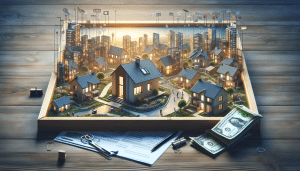
Find Out Why Urban Living Appeals to So Many
Julian Novak September 25, 2025
Urban living continues to attract people from all walks of life. Explore the reasons behind this trend and learn what makes city life both challenging and rewarding for residents seeking opportunity, convenience, and excitement.
Growing Popularity of Urban Living
Urban living has gained increased attention in recent years, with more people choosing cities over suburban or rural areas. The appeal stems from the convenience and simplicity of daily life for city dwellers. Being close to employment hubs, entertainment options, and essential services naturally influences many to consider living in metropolitan areas. When housing inventory in suburban regions tightens, cities often offer alternative opportunities for those seeking vibrant lifestyles and better access to amenities.
Technology and transportation advances have also contributed to the attractiveness of urban centers. High-speed internet connectivity, reliable public transit, and walkable neighborhoods make it easier than ever to participate in the economic and cultural life of a city. These developments mean that more individuals can work remotely or commute efficiently, freeing up time for leisure and self-improvement while reducing stress and commuting costs. City environments often foster a sense of energy, aspiration, and possibility that can be deeply motivating for individuals of all ages.
Another aspect driving the popularity of urban living is the diversity of people and cultures found in city settings. Exposure to different languages, traditions, and cuisines provides a rich educational experience. Urban communities also enable networking, making it easier for professionals and students to access career resources. Some cities feature innovative solutions to housing affordability, offering mixed-use developments and rent-controlled units. This blend of social, economic, and cultural factors fuels ongoing interest in urban lifestyle choices.
Key Advantages of Living in a City
Accessibility is often at the top of the list for those considering a city lifestyle. From healthcare facilities to retail shopping and recreational parks, urban residents benefit from the proximity of essential services. Daily errands become more manageable without the need for long-distance travel. Additionally, the competitive rental market can drive innovation and variety in housing options, providing different choices for singles, families, and retirees.
Entertainment and cultural stimulation are readily available in city environments. The variety of theaters, museums, concert halls, and art galleries can enrich one’s daily routine and foster personal growth. Cities also host regular festivals, pop-up markets, and seasonal events, bringing neighbors together and encouraging community spirit. Even outdoor enthusiasts have opportunities, as many cities now invest in urban parks, rooftop gardens, and greenway corridors for walking and cycling.
Career opportunities abound in cities due to higher employer concentration, entrepreneurial support, and networking events. Tech hubs, financial districts, and healthcare centers create diverse job options. According to industry reports, career advancement and higher average wages are important factors attracting individuals to metropolitan regions (https://www.brookings.edu/research/the-rise-of-cities). This blend of professional and lifestyle prospects helps explain the ongoing migration toward urban living.
Affordable Housing Patterns and City Solutions
Affordable housing remains a significant concern for many considering the move to an urban setting. Housing affordability varies by city, with initiatives launched at local and federal levels to address these challenges. Inclusionary zoning policies and government-backed housing programs provide lower-income families with options to reside in high-demand neighborhoods. Mixed-income developments are also gaining traction, ensuring that middle-income residents are not priced out of urban centers.
City authorities adopt creative solutions such as micro-apartments, co-housing communities, and adaptive reuse of commercial buildings for residential purposes. These models maximize land usage and help increase available units. Urban redevelopment plans can improve infrastructure, modernize transport networks, and enhance green spaces, boosting overall quality of life while supporting long-term affordability. Public-private partnerships can fund new construction, ensuring a steady supply of attainable rentals and homes (https://www.huduser.gov/portal/pdredge/pdr-edge-frm-asst-sec-081321.html).
Nonprofit organizations and advocacy groups play a crucial role, lobbying for rent control, tenant rights, and supportive policies. These groups may offer financial workshops or support housing application processes. Prospective city dwellers benefit from being proactive—by researching programs, consulting reliable online real estate platforms, or participating in community development meetings. Exploring these affordable housing solutions enables diverse communities to coexist and thrive in urban landscapes.
Urban Lifestyle: Diversity and Social Interaction
The dense population of cities leads to greater social interaction and cultural diversity. Residents encounter different lifestyles, traditions, and backgrounds daily, fostering open-mindedness. Such exposure helps develop empathy and adaptability, prized attributes in today’s globalized world. Schools and universities in cities often mirror this diversity, exposing students to richer educational environments and international perspectives.
City dwellers generally have significant opportunities to build friendships and professional connections. Urban networks facilitate collaboration through co-working spaces, business incubators, or neighborhood organizations. Access to community resources—like public libraries, recreational centers, and volunteering opportunities—enables engagement and lifelong learning. These forums support healthy community ties while reducing social isolation.
With the variety of clubs, social groups, and local events available, urban environments empower people to pursue interests and discover new passions. Many residents find purpose and belonging through creative projects, advocacy, or mentorship programs. Cities are known for their grassroots movements and civic engagement campaigns, encouraging collective action to address societal challenges and shape the urban landscape (https://www.urban.org/urban-wire/what-makes-urban-community).
Increasing Focus on Sustainability and Green Living
Modern cities increasingly incorporate sustainability into planning, design, and daily operations. Green buildings featuring advanced insulation, energy-efficient lighting, and renewable energy sources lower utility costs while reducing environmental impact. Many municipalities incentivize eco-friendly construction and retrofitting older structures. The goal is to support environmentally conscious living while keeping costs reasonable for all income levels (https://www.epa.gov/smartgrowth/smart-growth-and-sustainable-communities).
Some city planners focus on promoting public transit, cycling, and pedestrian infrastructure. This makes it simple to embrace a car-free lifestyle, save on transportation expenses, and enjoy cleaner air. Community gardens, recycling programs, and urban agriculture further connect residents with their surroundings while supporting sustainability goals. These features foster increased pride in local communities and contribute to healthier environments for families.
Urban parks and green rooftops play a valuable role in supporting mental health. Built spaces offer a respite from busy streets, enhancing relaxation and recreation. Besides environmental benefits, green living initiatives often attract families and retirees interested in safe, vibrant, and resilient neighborhoods. The integration of sustainability into urban housing is transforming how people imagine their future homes.
Considerations and Challenges of Urban Living
Urban living, while enticing, brings distinct challenges such as congestion, noise, and higher price points in some districts. Potential residents need to weigh these factors against lifestyle benefits. Long-term city dwellers often develop strategies to adapt, relying on soundproofing, efficient storage solutions, and mindfulness practices. The presence of green spaces and recreational facilities is also increasingly recognized as essential for well-being in dense cities.
Security and safety are top concerns, prompting many cities to invest in public safety campaigns and infrastructure. Advancements in technology, like smart surveillance systems and app-based neighborhood alerts, can help alleviate anxieties. Government programs sometimes offer assistance to vulnerable populations or subsidize access to additional safety features in public spaces and transport. These plans enhance the sense of security, making urban living more appealing to families, older adults, and newcomers.
Finally, financial planning is crucial for long-term satisfaction and resilience in city life. Understanding average rental prices, budgeting for utilities, and exploring cost-saving measures are important steps. Prospective and current city residents benefit from regularly reviewing housing policies and being aware of new urban redevelopment projects. Joining resident groups or civic forums helps keep everyone informed and engaged while advocating for positive changes in their communities (https://www.nytimes.com/guides/realestate/buy-a-first-home).
References
1. Glaeser, E. L., & Gottlieb, J. D. (2006). Urban Resurgence and the Consumer City. Retrieved from https://economics.mit.edu/files/2736
2. The Brookings Institution. (n.d.). The rise of cities. Retrieved from https://www.brookings.edu/research/the-rise-of-cities
3. U.S. Department of Housing and Urban Development. (n.d.). Innovative Affordable Housing Strategies. Retrieved from https://www.huduser.gov/portal/pdredge/pdr-edge-frm-asst-sec-081321.html
4. The Urban Institute. (2021). What Makes an Urban Community? Retrieved from https://www.urban.org/urban-wire/what-makes-urban-community
5. Environmental Protection Agency. (n.d.). Smart Growth and Sustainable Communities. Retrieved from https://www.epa.gov/smartgrowth/smart-growth-and-sustainable-communities
6. National Association of Home Builders. (n.d.). Building or Buying in an Urban Area. Retrieved from https://www.nahb.org/other/consumer-resources/home-buying/building-or-buying-in-an-urban-area

 Why Digital Learning Platforms Continue to Change Education