Fitness Plans That Support Healthy Aging
Camila Duarte September 23, 2025
Aging doesn’t have to mean slowing down. With the right fitness plans, older adults can maintain strength, mobility, and vitality well into their golden years. This article explores the emerging trends in fitness for healthy aging that are shaping 2025 and shows you how to build a plan that truly works.
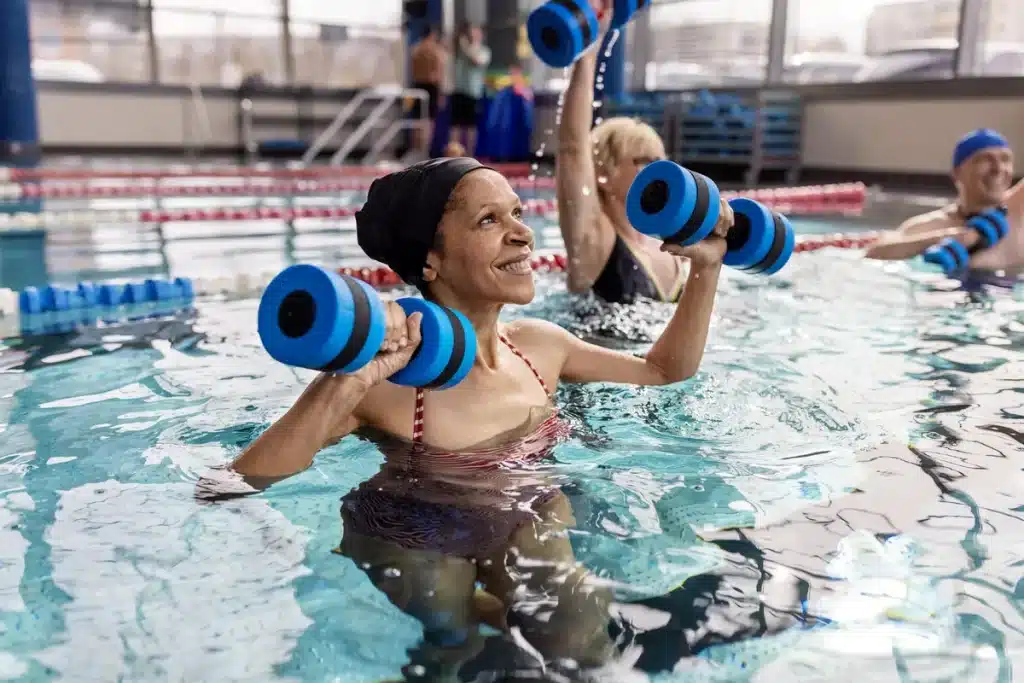
Why Fitness is Critical for Healthy Aging
As we age, muscle mass, bone density, and cardiovascular health naturally decline. Regular exercise is one of the strongest predictors of longevity and quality of life. According to the World Health Organization (WHO), adults aged 65 and older should aim for at least 150 minutes of moderate-intensity aerobic activity per week to reduce risks of chronic disease (WHO 2020).
Beyond longevity, fitness directly supports independence, cognitive function, and emotional wellbeing. Studies show that older adults who stay physically active experience up to a 30% reduction in fall risk and significantly lower rates of depression (CDC 2021).
Staying active is no longer just about adding years to life—it’s about adding life to years.
Hot Trend #1: Strength Training for Longevity
Once thought to be for bodybuilders only, strength training is now considered essential for aging well. Research published in the British Journal of Sports Medicine revealed that adults over 60 who engaged in resistance training at least twice weekly reduced their risk of mortality by 23% (Shibata et al. 2022).
Strength training helps preserve lean muscle, strengthens bones, and supports metabolism. In fact, sarcopenia (age-related muscle loss) affects nearly one in three adults over 60, but it can be significantly delayed with resistance training.
Key approaches gaining traction in 2025:
- Functional strength training: Movements like squats, push-ups, and deadlifts that mimic daily activities (standing up, lifting, carrying).
- Low-load resistance with bands: Perfect for beginners or those with joint issues.
- Power training: Short, explosive movements (like kettlebell swings) maintain reflexes and reduce fall risk.
Pro tip: Start with two sessions per week, 30 minutes each. Focus on compound movements before isolating smaller muscle groups.
Hot Trend #2: Hybrid Fitness Classes
Post-pandemic, older adults are embracing digital and hybrid fitness solutions. Platforms like SilverSneakers now offer both in-gym sessions and livestream classes designed for seniors.
Benefits include:
- Accessibility for those with mobility challenges.
- Flexibility to work out at home while still engaging with peers.
- A community-driven model that combats social isolation.
A 2023 AARP survey found that 56% of adults over 60 prefer hybrid fitness options, blending in-person workouts with virtual flexibility (AARP 2023).
This trend allows seniors to choose between the convenience of exercising at home and the motivation of group classes.
Hot Trend #3: Mobility and Balance Workouts
Mobility training is no longer an afterthought. Programs such as tai chi, yoga, and Pilates are increasingly recognized for preventing falls and supporting joint health.
For instance, tai chi has been shown to improve balance and reduce fall risk by up to 50% in older adults (Li et al. 2019). Yoga and Pilates are also popular for enhancing core strength, flexibility, and mental clarity.
Many gyms now integrate mobility-focused circuits where seniors rotate through balance boards, stretching stations, and stability ball exercises.
These workouts don’t just improve movement; they reduce stiffness and keep daily activities—like bending, reaching, or climbing stairs—more manageable.
Hot Trend #4: Wearable Tech and Fitness Tracking
Smartwatches and fitness trackers are no longer just for younger athletes. Seniors are adopting wearable technology to track heart rate, steps, and sleep quality.
Emerging devices like the Apple Watch SE and Fitbit Inspire 3 now include fall detection alerts and ECG monitoring, offering both fitness insights and safety.
Wearables also encourage accountability. Many apps now integrate with healthcare providers, sending alerts if activity levels drop or irregularities are detected. This bridges the gap between fitness and preventive healthcare, making it easier for older adults to stay consistent.
Hot Trend #5: Group Fitness and Social Exercise
Loneliness is a major health risk for older adults, comparable to smoking 15 cigarettes a day (Holt-Lunstad 2018). Fitness programs are increasingly tackling this by emphasizing social group exercise.
Walking clubs, senior dance groups, and pickleball leagues are exploding in popularity. Pickleball, for example, has become the fastest-growing sport among adults over 55 in the U.S., blending cardio, agility, and fun competition.
Why this matters: Exercising with others not only boosts motivation but also supports mental health. Many community centers and retirement homes are adding affordable group classes to encourage participation.
Hot Trend #6: Mind-Body Integration
The connection between exercise and brain health is clearer than ever. Research shows that aerobic activity increases blood flow to the brain and supports memory retention (Norton et al. 2022).
Programs that combine physical activity with mental stimulation are gaining popularity. Examples include:
- Dance-based fitness: Zumba Gold integrates rhythm and coordination.
- Dual-task training: Exercises like reciting words while walking to challenge both body and brain.
- Mindful movement practices: Yoga and tai chi double as stress relief, lowering cortisol levels.
These workouts tackle two challenges at once: maintaining cognitive sharpness while keeping the body strong.
Practical Guide: Building a Fitness Plan for Healthy Aging
Here’s a step-by-step plan you can follow or adapt with a trainer:
1. Cardio (3–5 days per week)
- 30 minutes of brisk walking, swimming, or cycling.
- Mix steady-state with intervals for heart health.
2. Strength Training (2–3 days per week)
- Squats, lunges, push-ups, and rows.
- Resistance bands or light dumbbells for safe progression.
3. Mobility & Balance (daily or at least 3 times per week)
- Tai chi, yoga, or Pilates.
- Simple daily stretches: hamstrings, shoulders, hips.
4. Cognitive Engagement (2–3 days per week)
- Dance classes, memory games paired with walking, or choreographed workouts.
5. Recovery & Rest
- Sleep 7–9 hours per night.
- Gentle stretching before bed to aid recovery.
- Stay hydrated to reduce joint stiffness.
Pro tip: Consult your doctor before starting any new program, especially if you have chronic conditions.
Key Takeaway
Fitness plans that support healthy aging in 2025 go beyond basic exercise—they integrate strength, mobility, social connection, and technology. Whether you’re 60 or 80, it’s never too late to adopt a routine that keeps your body strong, your mind sharp, and your spirit engaged.
Healthy aging is not about pushing harder—it’s about moving smarter, staying consistent, and enjoying the journey.
References
- World Health Organization (2020) Physical Activity and Older Adults. Available at: https://www.who.int (Accessed: 23 September 2025).
- Centers for Disease Control and Prevention (2021) The Benefits of Physical Activity for Older Adults. Available at: https://www.cdc.gov (Accessed: 23 September 2025).
- AARP (2023) The State of Online and Hybrid Fitness for Seniors. Available at: https://www.aarp.org (Accessed: 23 September 2025).

 Travel Experiences That Encourage Adventure