Fitness Practices That Support Healthy Aging
Camila Duarte September 22, 2025
Aging well is no longer just about adding years to life—it’s about adding life to years. As populations around the world live longer, maintaining mobility, independence, and vitality has become a top priority. One of the most talked-about trends today is functional fitness, a movement in exercise science that focuses on real-world movements to support healthy aging. By training the body to handle daily activities with strength and balance, functional fitness has emerged as a cornerstone practice for older adults who want to stay active and resilient.
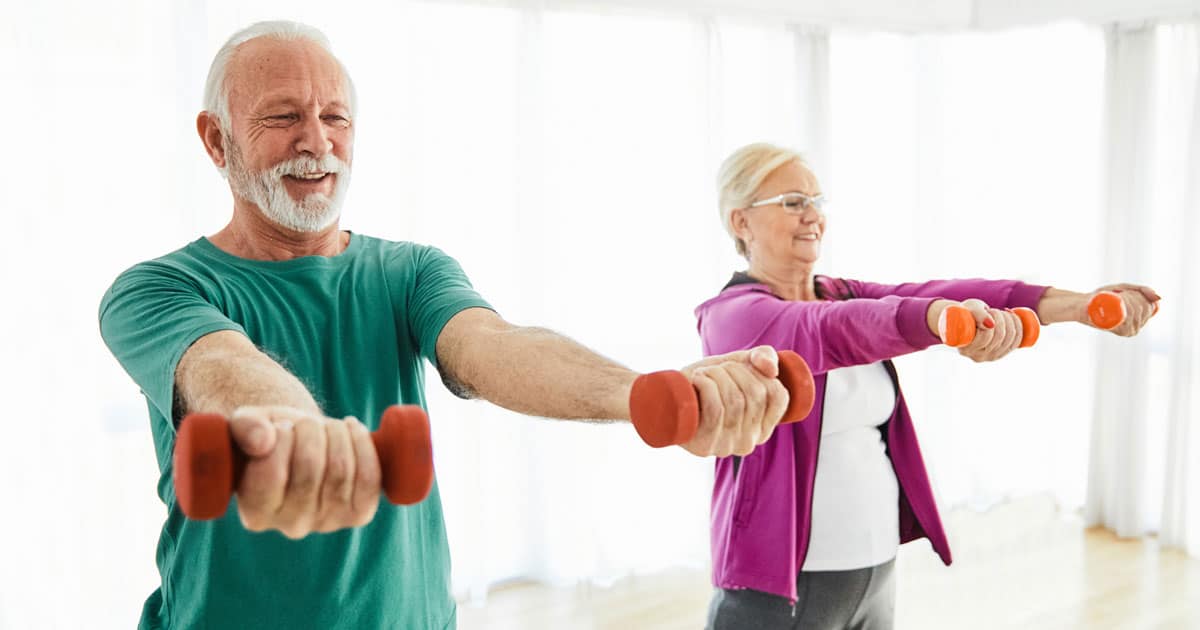
Why Functional Fitness Is Transforming Healthy Aging
Functional fitness refers to exercises that mimic everyday activities—lifting, bending, walking, or reaching—rather than isolating muscles in gym-style workouts. This approach is proving especially effective for aging populations because it directly improves quality of life. Research suggests that older adults who adopt functional training experience better balance, reduced risk of falls, and greater confidence in daily tasks (American Council on Exercise, 2024).
Instead of focusing solely on aesthetics, functional fitness emphasizes movement quality. For example, squats improve the ability to sit and stand, lunges enhance stability while walking, and rotational exercises support core strength for lifting or twisting. These small but essential improvements are critical for preserving independence.
Key Benefits of Functional Fitness for Older Adults
The rise of functional training highlights how fitness practices can evolve to support healthy aging in practical ways. Benefits include:
- Improved balance and coordination: Reducing the risk of falls, one of the leading causes of injury in older adults.
- Increased mobility and flexibility: Helping joints move more freely and comfortably.
- Enhanced strength for daily tasks: From carrying groceries to climbing stairs.
- Cognitive engagement: Many functional workouts incorporate coordination and focus, supporting brain health.
- Social interaction: Group classes often foster a sense of community, which contributes to emotional well-being.
According to a 2024 World Health Organization report, physical activity remains one of the strongest predictors of healthy aging, with functional fitness ranking as an increasingly recommended practice.
Current Trends Driving Adoption
Several factors are fueling the popularity of functional fitness in 2025:
1. Integration of Wearable Tech
Fitness trackers and smartwatches are increasingly tailored for older adults. Many now track not just steps, but also balance, posture, and mobility, providing insights to adjust functional routines safely. Some devices even alert caregivers if a fall risk is detected.
2. Hybrid Fitness Programs
Gyms and community centers are offering hybrid classes that combine strength training, yoga, and functional drills. These programs make it easier for older adults to find routines that suit different energy levels and health conditions.
3. Healthcare Partnerships
Doctors and physical therapists are prescribing functional fitness as part of preventive healthcare. Insurance providers in some regions are even covering classes, recognizing their role in reducing long-term healthcare costs.
4. Focus on Longevity and Independence
Unlike traditional bodybuilding or cardio-only programs, functional fitness is directly linked to independence—something older adults value highly. This alignment with personal goals has fueled rapid adoption.
Practical Guide: How to Start Functional Fitness Safely
For those considering functional fitness as part of their aging journey, here’s a practical roadmap:
- Start with an assessment
Check with a healthcare provider or certified trainer to evaluate balance, flexibility, and strength. This ensures exercises are tailored to individual needs. - Begin with bodyweight exercises
Movements like squats, step-ups, and modified push-ups build foundational strength without equipment. - Incorporate balance drills
Exercises like single-leg stands or heel-to-toe walks improve stability and reduce fall risk. - Add resistance gradually
Use resistance bands, light weights, or even household items to build strength safely. - Stay consistent but flexible
Aim for 2–3 sessions per week. Mix with low-impact activities such as swimming, cycling, or tai chi for variety. - Track progress with tech
Simple apps or wearables can monitor mobility gains and motivate continued practice.
Combining Functional Fitness with Other Aging-Friendly Practices
Functional training is powerful on its own, but when paired with other wellness strategies, its benefits multiply.
- Yoga and Tai Chi: Both emphasize balance, flexibility, and mindfulness, complementing functional workouts.
- Strength Training: Adding weight-bearing exercises helps maintain bone density, reducing osteoporosis risk.
- Aerobic Activity: Walking, cycling, or water aerobics improve cardiovascular health, supporting overall stamina.
- Nutrition Alignment: Adequate protein intake supports muscle maintenance, while anti-inflammatory foods help joint health.
When integrated into a lifestyle, these combined practices create a comprehensive approach to healthy aging.
The Link Between Functional Fitness and Mental Health
An often overlooked benefit of functional training is its effect on mental well-being. Regular participation has been linked to improved mood, reduced anxiety, and greater confidence in managing daily activities (National Institute on Aging, 2023). Functional fitness also supports cognitive health by requiring focus, coordination, and adaptation, which stimulate the brain alongside the body.
The social element is equally important. Group classes or partner workouts provide connection and accountability. Research consistently shows that social engagement is one of the most powerful predictors of longevity, making functional fitness a twofold tool for aging well.
Real-World Example: Community Programs Making a Difference
Across the United States and Europe, senior centers are adopting community-based functional fitness programs. For example, “Silver Strong” in California integrates functional drills with light strength training, reporting that participants experience fewer falls and greater independence at home. Similar programs in Europe combine functional exercises with digital monitoring, offering older adults both in-person support and app-based tracking.
These real-world initiatives highlight how fitness practices that support healthy aging are becoming not just a personal choice but a public health strategy.
Looking Ahead: The Future of Fitness for Aging Populations
As life expectancy continues to rise, the demand for accessible, evidence-based fitness practices will grow. Experts predict that functional fitness will soon be integrated into mainstream healthcare systems as a standard prescription for aging well. With technology, personalized programs, and growing community support, this approach is redefining what it means to age actively.
The conversation is shifting from “How long can we live?” to “How well can we live?” For older adults seeking independence, energy, and a sense of purpose, functional fitness offers an answer that is both practical and sustainable.
References
- American Council on Exercise. (2024). Functional fitness for older adults: Benefits and best practices. Available at: https://www.acefitness.org (Accessed: 22 September 2025)
- World Health Organization. (2024). Global report on physical activity and aging. Available at: https://www.who.int (Accessed: 22 September 2025)
- National Institute on Aging. (2023). Exercise and physical activity for older adults. Available at: https://www.nia.nih.gov (Accessed: 22 September 2025)

 Financial Strategies That Build Long-Term Security