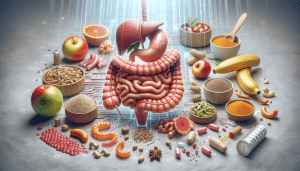
Gut Health Secrets That Could Change You
Camila Duarte November 1, 2025
Unlock the connection between gut health and wellness with this insightful guide. Explore how digestive balance, probiotics, and mindful nutrition habits intertwine to influence your entire body and learn practical ways to support your gut every day.
Understanding the Link Between Gut Health and Wellness
Gut health has emerged as a central theme in the journey toward lifelong wellness. More than just a buzzword, it describes the balance of bacteria and microorganisms living in your digestive system—a delicate ecosystem profoundly influencing both physical and emotional health. Increasing research highlights that the state of the gut microbiome impacts more than digestion alone. Scientists have observed strong relationships between gut microbes and a person’s immune response, energy levels, and even mood stability. The gut-brain axis, as it’s called, links your digestive tract to your central nervous system, fostering an intricate communication pathway.
What makes gut health crucial goes beyond digestion. Imbalances may contribute to issues ranging from fatigue and skin irritations to poor concentration. A well-balanced gut can aid nutrient absorption, bolster immunity, and even help modulate inflammation throughout the body. Everyday habits, including dietary patterns and stress management, play important roles in nurturing this internal microbiome. Notably, probiotic-rich foods and a fiber-centered diet may help promote the flourishing of beneficial bacteria, allowing your gut to act as a strong pillar for wellness.
For many, redefining health now starts in the gut, with growing attention given to how daily routines affect microbiota diversity. Professionals suggest that understanding the unique needs of your digestive ecosystem is a promising step toward maintaining better metabolic health and supporting emotional well-being. By focusing on the gut, individuals can often experience improvements not just in digestion, but across diverse aspects of their physical and mental experience. The journey starts with knowledge, then grows with mindful care. For more information, visit the NIH Gut Microbiome page.
Probiotics, Prebiotics, and the Pathway to Gut Balance
One often-discussed strategy for supporting digestive wellness is the use of probiotics and prebiotics. Probiotics are live microorganisms that, when consumed in appropriate amounts, provide health benefits by strengthening or replenishing beneficial gut bacteria. Prebiotics, on the other hand, are types of fiber that serve as food for these good microbes, empowering them to grow and maintain a thriving balance. By combining probiotics with sufficient prebiotic fiber, the gut’s environment becomes hospitable for useful bacteria, sometimes referred to as ‘friendly flora’.
Common sources of probiotics include fermented foods like yogurt, kefir, kimchi, sauerkraut, and certain aged cheeses. Incorporating these into meals provides a flavorful way to introduce helpful bacteria. Prebiotics can be found in a variety of plant-based foods—think bananas, onions, garlic, leeks, asparagus, and whole grains. Some research even points to specific strains of probiotics aiding symptoms of bloating, irregularity, and immune health. Deliberate, regular consumption of these foods helps reinforce the gut’s ecosystem over time.
But balance matters. It’s possible to overdo supplementation or switch foods too drastically—sometimes upsetting the microbiome temporarily. Gut-friendly routines should be crafted gradually, considering unique sensitivities. If exploring probiotic or prebiotic supplements, consult healthcare professionals who can offer guidance tailored to individual needs. Creating diversity on the plate, and in the gut, supports the resilience and adaptability of your digestive system. Learn more at the NHS probiotics and prebiotics resource.
Nutrition Habits That Nourish Your Microbiome
The foods chosen daily wield immense influence over gut health. Diets rich in whole foods, fruits, vegetables, and healthy fats contribute fortifying nutrients for digestive bacteria. Soluble fiber, found in oats, legumes, chia seeds, and apples, is especially valuable. This fiber feeds beneficial gut microbes and supports the creation of short-chain fatty acids, which have potent anti-inflammatory effects in the intestines and can further support immune resilience.
Minimizing highly processed foods, refined sugars, and artificial additives is another effective gut-friendly habit. Such products can disrupt the microbial landscape and potentially contribute to gastrointestinal discomfort. A Mediterranean-style eating pattern, emphasizing olive oil, lean proteins, and plenty of colorful produce, is linked with a diverse microbiome and improved metabolic markers. Hydration also plays an essential, if often overlooked, role in keeping digestion running smoothly and microbes well-supported.
Meal timing and mindfulness matter, too. Eating too rapidly or on an irregular schedule can throw digestion off balance, while stress at mealtimes may contribute to issues like indigestion or heartburn. Developing a routine that encourages mindful eating and regularity helps coordinate gut rhythms and enhance enjoyment of food. For an overview of balanced diet recommendations, see guidance from The Academy of Nutrition and Dietetics.
Lifestyle Strategies for Enhancing Digestive Wellbeing
Food alone isn’t the only driver of microbiome health. Sleep quality, physical activity, and stress levels all have marked impacts on digestion. Frequent movement—from daily walks to more intense workouts—supports regular intestinal transit and maintains a diverse bacterial population in the gut. Research suggests that individuals who are physically active may enjoy increased numbers and types of beneficial bacteria, potentially leading to better outcomes for metabolic wellness.
Sleep also looms large in the equation. Disrupted sleep patterns and insufficient rest have been tied to changes in gut bacteria composition and to the appearance of gastrointestinal symptoms. Optimizing sleep hygiene—building a consistent bedtime routine, limiting digital screens, and maintaining a restful environment—may boost the restorative link between the gut and the brain. This may explain why people experiencing fatigue often also face digestive changes.
Stress management rounds out the trio of wellness pillars. Chronic stress means the body’s ‘fight or flight’ response is always on, which can compromise digestion and microbial diversity. Evidence-based methods like mindful breathing, meditation, or even spending time in nature can help recalibrate this response and support gut tranquility. Each of these factors brings a unique influence, but together they build holistic digestive strength. Reference more at the CDC Healthy Eating & Lifestyle page.
Recognizing When to Seek Guidance on Gut Health
While digestive discomfort is common and often temporary, some symptoms signal the need for professional input. Frequent and persistent bloating, pain, changes in stool pattern, or unexplained weight loss may indicate deeper issues requiring evaluation. Functional gastrointestinal disorders, such as irritable bowel syndrome (IBS), impact millions, and early intervention leads to improved management outcomes. Accurate diagnosis remains essential for personalized care.
Consulting registered dietitians or gastroenterologists is advisable when simple dietary switches do not alleviate symptoms or when gut health concerns persist. These professionals can help untangle the complex interactions of food, microbiome, and health, offering evidence-based, individualized plans. Many laboratories can now analyze the composition of your gut microbes, providing further insight for tailored approaches, though such tests should be interpreted carefully and not relied upon in isolation.
Educational resources from government agencies, nonprofits, and universities offer trustworthy information about digestive disorders and available therapies. Exploring these documents can empower better questions to bring to healthcare visits and provide clarity on new treatments, such as the role of probiotics in gastrointestinal recovery. Access valuable digestive health tools via the American Gastroenterological Association.
Your Microbial Ecosystem and Long-Term Wellness
Caring for your microbial ecosystem is an evolving effort, not a quick fix. The gut naturally changes across life stages, adapting to age, hormonal changes, and even environmental shifts. Maintaining a flexible approach to gut support—one that adjusts with changing needs—can help foster resilience for years to come. Ongoing research continues to offer promising insights about how our diets and lifestyles shape not just digestive, but also systemic, wellbeing.
People who focus on maintaining gut balance often report improvements well beyond simple digestion. Anecdotal accounts and clinical trials both reveal connections ranging from increased energy and better mood stability to improvements in skin clarity and immune robustness. The whole-body perspective speaks to the gut as an anchor point in health—a vibrant community at the center of well-being. Building diverse, healthy habits is a lifelong project with ever-evolving benefits.
Finally, don’t underestimate the power of small changes. Whether you’re adding more fiber-rich foods, experimenting with fermented options, or creating a relaxing sleep schedule, each can contribute to the foundation of gut health. Stay informed, curious, and patient. Layering these simple routines over time turns incremental progress into lasting transformation. For further reference, see the resource hub at Cedars-Sinai Gut Microbiome.
References
1. National Institutes of Health. (n.d.). Gut Microbiome. Retrieved from https://www.nccih.nih.gov/health/probiotics-what-you-need-to-know
2. NHS. (n.d.). Probiotics and prebiotics. Retrieved from https://www.nhs.uk/live-well/eat-well/food-types/probiotics-and-prebiotics/
3. The Academy of Nutrition and Dietetics. (n.d.). Your Gut Microbiome Matters. Retrieved from https://www.eatright.org/health/wellness/preventing-illness/your-gut-microbiome-matters
4. Centers for Disease Control and Prevention. (n.d.). Healthy Eating for a Healthy Weight. Retrieved from https://www.cdc.gov/healthyweight/healthy_eating/index.html
5. American Gastroenterological Association. (n.d.). Gut Microbiome. Retrieved from https://www.gastro.org/practice-guidance/gi-patient-center/topic/microbiome
6. Cedars-Sinai. (n.d.). Gut Microbiome. Retrieved from https://www.cedars-sinai.org/health-library/diseases-and-conditions/g/gut-microbiome.html

 Discover the Science Behind Glowing Skin