Gut Health Secrets You Might Not Expect
Camila Duarte October 22, 2025
Unlock the hidden impact of gut health on your entire body. This in-depth guide explores how the balance of your gut microbiome influences wellness, energy, and even mental clarity. Discover surprising facts about probiotics, prebiotics, and real ways to support healthier digestion and immune strength every day.
The Gut Microbiome: A Hidden World in Your Body
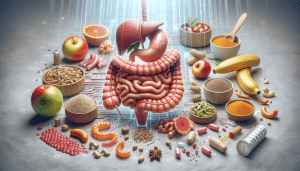
The gut microbiome consists of trillions of bacteria, viruses, and fungi living primarily in your intestines. These microorganisms are not just passive residents—they play a vital role in digestion, nutrient absorption, and even the functioning of your immune system. Many experts now recognize the gut as a kind of ‘second brain’, responsible for producing key neurotransmitters and influencing mood. Understanding your unique microbiome is essential for building long-term health.
Research reveals that a rich and diverse gut microbiome may offer protection against conditions like metabolic disorders, obesity, and inflammatory diseases (Source: https://www.ncbi.nlm.nih.gov/books/NBK459455/). Certain bacterial populations help break down complex carbohydrates and produce essential vitamins. However, factors such as antibiotics, stress, and low-fiber diets can disrupt this delicate balance. Many people overlook how small lifestyle changes could wildly transform their inner ecosystem.
Modern habits—like eating processed foods or not exercising—make it easy for harmful microbes to outnumber the beneficial ones. This imbalance, known as dysbiosis, has been linked to digestive issues and lowered immunity. Cultivating awareness of food choices, stress management, and exercise routines may support a more resilient microbiome. Each person’s gut is as unique as a fingerprint, making it vital to learn what works best for your body and habits.
Probiotics and Prebiotics: What Really Matters
Probiotics are living microorganisms, often called ‘good bacteria.’ They’re found in fermented foods like yogurt, kefir, sauerkraut, and supplements. When you consume them, these bacteria can colonize your gut and compete with less beneficial microbes, which may support digestive comfort, enhance immunity, and restore balance after taking medications (Source: https://www.clevelandclinic.org/health/articles/14635-probiotics). Regular intake might be especially helpful after a round of antibiotics.
Prebiotics are different—they’re not bacteria but fibers that nourish beneficial microbes already present in your gut. Foods rich in prebiotics include garlic, onions, bananas, and oats. When you consume prebiotic fibers, your helpful gut bacteria ferment them, producing short-chain fatty acids with anti-inflammatory effects throughout your body. Diverse sources of prebiotic foods may naturally boost the performance of probiotics, creating a more stable environment for gut flora.
Not everyone responds the same way to specific strains of probiotics or prebiotic foods. Some people may notice less bloating or more regular bowel habits, while others need to adjust their approach to achieve results. It’s important to consult with a healthcare provider or dietitian before beginning any supplement regimen, especially for individuals with health conditions. Listen to how your body responds and explore a range of both foods and supplements for broader microbiome support.
Gut Health and Its Surprising Connection to Mood
Emerging research has uncovered a fascinating connection between gut health and mood, known as the gut-brain axis. Signals continuously travel between your digestive system and your brain via nerves, hormones, and the immune system. When your gut microbiome thrives, neurotransmitters like serotonin may be regulated more efficiently, positively influencing feelings of well-being (Source: https://www.health.harvard.edu/blog/nutritional-psychiatry-your-brain-on-food-201511168626).
Symptoms of stress, anxiety, or even mild depression may worsen if your gut is out of balance. While diet isn’t the sole cause of every mental health challenge, scientists suggest that improving gut health could play a supportive role in overall emotional resilience. Some studies report that highly processed diets with limited fiber may decrease beneficial bacteria, impacting your stress responses and sleep quality.
Conversely, diets abundant in whole foods, leafy greens, lean proteins, and fermented products seem to promote a healthier gut-brain relationship. Mindfulness techniques, regular movement, and reduced alcohol consumption also have notable effects, helping to mitigate fluctuations in mood. While more research is needed, prioritizing gut-friendly habits often delivers unexpected benefits for both mind and body.
Everyday Habits That Support Healthy Digestion
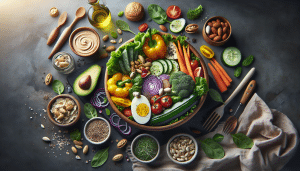
Simple daily routines may have a profound influence on your digestive health. Hydration, for example, is essential for moving food through your intestines and sustaining the mucosal lining that protects your gut wall. Fiber-rich foods, such as beans, berries, and whole grains, encourage regularity and nurture diverse populations of friendly bacteria (Source: https://www.eatright.org/health/wellness/digestive-health/turn-your-diet-into-a-gut-healing-machine).
Consider timing meals with care, allowing intervals between eating so your digestive tract resets and bacteria populations flourish. Eating slowly and chewing thoroughly helps prevent bloating and makes nutrients more available for absorption. Regular movement, such as walking after meals or practicing yoga, can naturally support motility and ease symptoms like constipation.
Limiting added sugars, artificial sweeteners, and ultra-processed foods is crucial. These ingredients can feed less healthful bacteria and may increase inflammation. By focusing on whole, plant-rich diets, you foster an environment where beneficial microbes thrive. Prioritizing these habits daily pays off in smoother digestion and a stronger immune system over time.
Recognizing and Addressing Common Gut Health Issues
Common digestive problems like bloating, occasional constipation, or discomfort after meals may signal an imbalance in gut flora. Gastrointestinal disorders—including irritable bowel syndrome (IBS) and small intestinal bacterial overgrowth (SIBO)—often stem from or result in altered microbiome composition (Source: https://www.gastro.org/practice-guidance/gi-patient-center/topic/ibs). Pinpointing triggers and tracking responses to foods, stress, or medication is a useful first step.
Working with registered dietitians or gastroenterologists may help uncover underlying causes and introduce structured elimination or reintroduction diets. In some cases, targeted probiotic supplementation or prescription medications are helpful. It’s essential to avoid self-diagnosing or drastically changing your diet without guidance—every digestive system is unique, and professional support can reveal safer, more effective strategies.
Early action can help prevent transient issues from evolving into chronic conditions. Consistent symptoms—such as unexplained weight loss, severe pain, or blood in stool—should prompt evaluation by a healthcare professional. Addressing digestive complaints promptly supports not just gut wellness but also energy, immune resilience, and overall longevity. Learn more from credible health authorities before making changes at home.
Future Trends: The Next Wave in Gut Health Science
New discoveries reveal that gut health is far more complex than previously believed, with personalized nutrition and targeted therapies on the horizon. Scientists are exploring how manipulating the microbiome could tackle wellness concerns ranging from metabolic disease to autoimmune responses (Source: https://www.nih.gov/news-events/news-releases/nih-human-microbiome-project-researchers-link-specific-bacteria-conditions). This knowledge is fueling innovations in diagnostics, therapies, and even custom diets.
Home gut health tests are now available, promising insight into your microbiome by sequencing bacterial DNA from a single stool sample. Although some services offer tailored food and supplement recommendations, consensus on best practices is still evolving. For now, experts advise focusing on evidence-based habits—such as varied, whole-food diets and moderate exercise—over trendy or experimental products.
Pioneering research on the microbiome’s role in immunity, metabolic health, allergy, and even neurodevelopment is ongoing. As more clinical trials emerge, the hope is to find precise interventions for maintaining gut harmony throughout life. Staying updated with guidance from well-established health organizations will be key in making informed decisions about microbiome science in years to come.
References
1. National Center for Biotechnology Information. (n.d.). The Human Microbiome. Retrieved from https://www.ncbi.nlm.nih.gov/books/NBK459455/
2. Cleveland Clinic. (n.d.). Probiotics. Retrieved from https://www.clevelandclinic.org/health/articles/14635-probiotics
3. Harvard Health Publishing. (n.d.). Nutritional Psychiatry: Your Brain on Food. Retrieved from https://www.health.harvard.edu/blog/nutritional-psychiatry-your-brain-on-food-201511168626
4. Academy of Nutrition and Dietetics. (n.d.). Turn Your Diet Into a Gut Healing Machine. Retrieved from https://www.eatright.org/health/wellness/digestive-health/turn-your-diet-into-a-gut-healing-machine
5. American Gastroenterological Association. (n.d.). IBS. Retrieved from https://www.gastro.org/practice-guidance/gi-patient-center/topic/ibs
6. National Institutes of Health. (n.d.). NIH Human Microbiome Project researchers link specific bacteria to conditions. Retrieved from https://www.nih.gov/news-events/news-releases/nih-human-microbiome-project-researchers-link-specific-bacteria-conditions

 Unlocking the Power of Quantum Computing