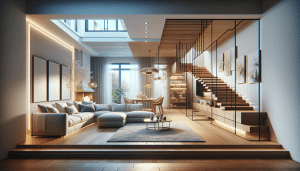
Hidden Gems for Creating a Relaxing Home Atmosphere
Leila Andersson November 16, 2025
Transforming your home into a personal oasis is easier than you might think. Learn how everyday design ideas, mood lighting, and mindful décor blend to create a calming escape right where you live. Discover the secrets behind relaxation spaces everyone loves.
Unlocking the Power of Interior Design for Relaxation
Interior design plays a major role in shaping how relaxed you feel at home. The choices made in color schemes, furniture placement, and structure directly influence mood. Soft, muted colors like pale blues, gentle greens, and neutral creams grant a sense of tranquility as soon as you enter. These colors are proven to evoke calmness and reduce stressful feelings. Experimenting with cohesive palettes will make any living room or bedroom seem instantly more inviting. Design experts often recommend layering shades and using natural textures to evoke the essence of peace indoors.
Minimalism continues to drive modern relaxation trends. Decluttering spaces and opting for multi-functional furniture helps maintain order, promoting a sense of serenity. Less clutter translates into fewer distractions. Clear, open floor plans emphasize restful breathing space around you, while built-in storage units tuck away visual chaos. Displaying only cherished artwork or keepsakes on walls further supports emotional wellness, providing reminders of meaning and comfort throughout your home.
Design is more than just aesthetics; it’s function too. Arranging furniture to allow for natural light flow not only brightens up your home but also boosts mood and energy levels. Daylight has a subtle yet powerful effect, especially on days spent indoors. Place relaxing reading nooks near windows, and choose light-filtering curtains for a gentle ambiance. Thoughtfully chosen elements like aromatic candles, cozy throws, or soft rugs add tactile comfort, ensuring every sense feels at ease when you walk into your sanctuary.
The Science behind Lighting and Home Mood
Lighting conditions dramatically shape the atmosphere in every room. Studies show that warm-toned lighting, especially from lamps or dimmable bulbs, helps signal relaxation to the brain. Swapping harsh overhead lights for adjustable floor or table options can instantly turn an ordinary night at home into a calming experience. Some people use string lights or hidden LEDs for indirect glow, making bedrooms and living rooms inviting for unwinding after busy days.
Natural light exposure isn’t just about daylight hours. Strategically placed mirrors double window light, brightening corners and making spaces feel larger, airier, and more cheerful. Even small transformations, such as keeping windows clean or using sheer coverings, make a noticeable difference in mood. According to the National Sleep Foundation, exposure to natural light supports better circadian rhythms and improves sleep, feeding into your overall relaxation strategies (https://www.sleepfoundation.org/bedroom-environment).
In the evenings, a shift to warm, low light gives the mind permission to wind down. Smart home systems with customizable settings let users adjust brightness and hue to suit their needs—some even mimic sunset to prepare your brain for restful sleep. Salt lamps, candle sconces, and daylight-simulating fixtures finish off modern relaxation spaces. Experiment to discover which combinations best support your personal sense of comfort at home.
Harnessing Natural Elements for a Calming Effect
Nature-inspired design elements are at the heart of tranquil spaces. By integrating live plants, stones, and water features, any room can feel closer to the outdoors. Even a small potted succulent on a windowsill or a glass jar of pebbles on a tabletop brings texture and life indoors. Research suggests that having plants in living areas may help filter air pollutants and boost mood (Source: https://www.ncbi.nlm.nih.gov/pmc/articles/PMC4419447/).
Materials matter, too. Wood, wicker, cotton, and wool all evoke warmth and comfort. Bringing in natural fibers through rugs, curtains, or pillow covers invites a touch of the outdoors. Water features such as tabletop fountains produce gentle sounds that mask outside noise, making even busy city apartments seem like peaceful retreats. The combination of sound, sight, and scent creates a holistic sensory experience that signals relaxation to the mind and body.
Don’t underestimate the psychological impact of nature. Large landscape prints, soothing nature videos, or even wallpapers with botanical designs promote restful states. These elements are especially important for those without easy access to outdoor greenspace. When used thoughtfully, nature-inspired accents become the bridge between the external environment and the restful haven of your home, helping you recharge mentally and emotionally.
Mindful Decor Choices and Emotional Wellbeing
Decor isn’t just decorative—it’s also emotional. The choice of artwork, textiles, and personal items can influence stress levels and happiness. Studies highlight that colors, patterns, and personal mementos evoke meaningful emotions (Source: https://www.verywellmind.com/color-psychology-2795824). Even the simple act of rotating seasonal décor or introducing hand-crafted pieces can encourage mindful living and further reinforce a sense of belonging at home.
Textures add another layer to relaxation. Soft, cozy fabrics provide tactile comfort that signals the brain it’s time to unwind. Velvet cushions, plush throws, and thick area rugs create safe landing spots for both body and mind. When organizing collectibles or family photos, group items by theme or color to avoid clutter and enhance visual flow. Minimal, thoughtfully organized displays invite curiosity and spark fond memories.
It’s also important to personalize spaces for your unique personality and values. Whether you love calming neutrals, vibrant art, or whimsical touches, ensure your living zone feels authentically yours. Curated surroundings reflect your identity and establish a welcoming energy. The process of decorating becomes a mindful ritual—one that fosters both comfort and creative expression, nourishing your wellbeing each day.
Balancing Technology with Relaxation Spaces
Modern homes are filled with technology, which can support or disrupt relaxation. Smart speakers, noise-canceling devices, and ambient sound machines help mask distractions and promote serenity. Apps designed for meditation or guided relaxation are easy to integrate into daily routines, turning bedrooms or living areas into spaces for digital unwinding. However, the key is mindful moderation. Too many screens or notifications can quickly undo the peace you’ve created through thoughtful design.
Consider designated tech-free zones. Bedrooms, meditation corners, or even reading nooks become true refuges from digital overload when screens are omitted. Charging stations can be placed outside these rooms, encouraging boundaries that support better rest and deeper relaxation. Many families find that agreed-upon device curfews or phone-free evenings help everyone relax and connect, both with each other and with their surroundings.
Balancing technology isn’t about elimination—it’s about intention. Use devices in ways that further relaxation, such as playing nature sounds, gentle music, or guided mindfulness sessions. Tech solutions like air purifiers, automated lighting, or climate control also contribute to comfort and tranquility. When selected thoughtfully, technology becomes a supportive companion in the quest to design homes that refresh and restore the mind.
Daily Habits to Sustain a Relaxing Environment
Design sets the stage, but daily habits sustain the mood. Simple routines—like making your bed each morning, lighting a favorite candle, or taking a moment to meditate—reinforce calm in your space. Evening rituals often include tidying surfaces and preparing lighting for sleep. Consistency is key, with research showing that stable home habits boost mental health and a sense of security (https://www.nimh.nih.gov/health/topics/caring-for-your-mental-health).
Consider integrating relaxation breaks throughout the day—five minutes of stretching, mindful breathing, or simply sitting in silence by a window. These moments, though brief, can reset your mood and energy. Personal care stations, like a nook for yoga mats or a shelf for favorite books, make it easier to follow through on positive intentions. Even chores, when done mindfully, become an act of self-care that keeps your home atmosphere peaceful and orderly.
Scent and sound matter every day. Essential oils, fresh flowers, or herbal sachets infuse the air with calming fragrances. Soundscapes—from gentle rain to soft music—block out disruptions and set the emotional tone. Customizing these everyday details makes your living space not just comfortable, but deeply restorative. Over time, your home becomes a haven that encourages relaxation and gives back a sense of peace, day after day.
References
1. Sleep Foundation. (n.d.). Bedroom Environment. Retrieved from https://www.sleepfoundation.org/bedroom-environment
2. Lee, M. S., & Lee, J. (2015). Indoor plants as health promoters. Retrieved from https://www.ncbi.nlm.nih.gov/pmc/articles/PMC4419447/
3. Cherry, K. (2022). Color Psychology: Does It Affect How You Feel? Retrieved from https://www.verywellmind.com/color-psychology-2795824
4. National Institutes of Health. (n.d.). Caring for Your Mental Health. Retrieved from https://www.nimh.nih.gov/health/topics/caring-for-your-mental-health
5. American Psychological Association. (n.d.). Stress management in daily life. Retrieved from https://www.apa.org/topics/stress/daily-life
6. Harvard Health Publishing. (n.d.). Lighting and sleep: How light affects sleep. Retrieved from https://www.health.harvard.edu/staying-healthy/light-and-sleep-how-light-affects-sleep

 What You Might Miss About Newsroom Misinformation