Fitness Routines That Support Healthy Lifestyles
Camila Duarte September 29, 2025
Staying active has always been a pillar of maintaining a healthy lifestyle. But in 2025, fitness routines are evolving beyond traditional gym sessions and solo runs. A major trend emerging within the health and wellness space is the hybrid workout model, a blend of digital and in-person fitness that is reshaping how people approach their daily exercise. This shift is not just about convenience; it’s about sustainability, inclusivity, and adaptability to modern lifestyles.
In this article, we’ll explore how hybrid fitness routines support healthy lifestyles, why they’re gaining popularity, and how you can create a balanced routine that aligns with your personal health goals.
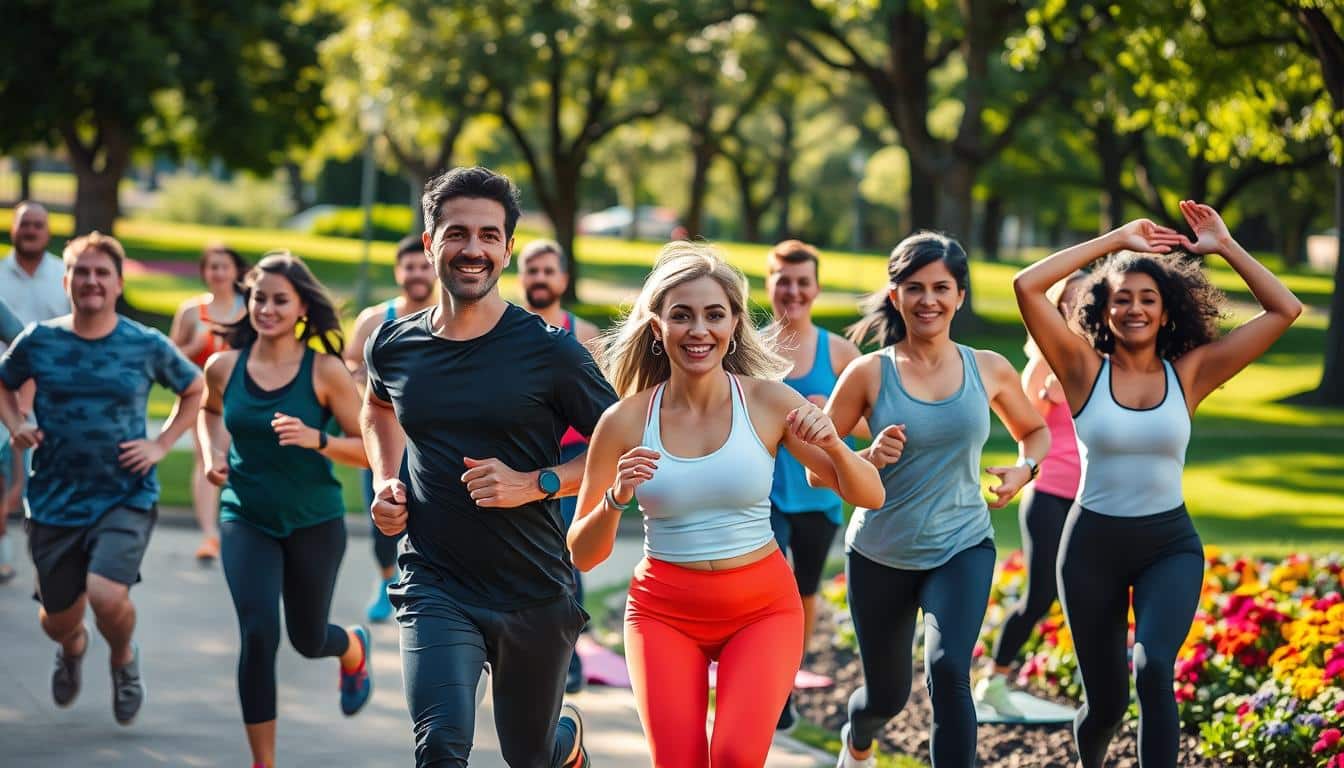
Why Hybrid Fitness Matters for Healthy Lifestyles
The global fitness industry has undergone significant changes since the pandemic. While gyms have reopened and in-person classes are thriving again, many individuals have grown accustomed to the flexibility of online workouts. This has given rise to a hybrid approach—combining both physical gyms and digital platforms.
Here’s why this matters for people pursuing a healthy lifestyle:
- Flexibility: You can balance at-home workouts with in-person training depending on your schedule.
- Accessibility: Online sessions allow people in remote areas or those with busy jobs to stay consistent.
- Variety: Mixing live classes, pre-recorded sessions, and outdoor activities helps prevent workout boredom.
- Consistency: Having multiple options reduces excuses and encourages routine maintenance.
Hybrid fitness is not a passing trend—it’s a response to the way modern lifestyles demand adaptability.
Core Benefits of Hybrid Workouts
If you’re considering building a routine that supports your long-term health, hybrid workouts provide multiple advantages:
1. Convenience Without Compromise
Digital fitness apps and live-streamed classes make it possible to exercise at home, during travel, or even on a lunch break. Yet, in-person gyms provide access to specialized equipment and trainers. Hybrid routines let you combine both without sacrificing results.
2. Improved Mental Health
Studies show that regular physical activity reduces stress and improves mental well-being. Having the freedom to choose between virtual yoga at home or high-energy spin classes in person means you’re more likely to stay engaged, which boosts consistency and mood.
3. Cost Efficiency
While some premium gyms can be expensive, adding free or low-cost online workouts to your schedule balances the expense. This approach lets you prioritize what matters most—whether it’s investing in occasional personal training or supplementing with home workouts.
4. Social and Community Connection
One of the challenges of remote workouts is the lack of social interaction. Hybrid models bring people together by allowing online communities to thrive while still offering the in-person camaraderie of group classes.
Practical Guide: Building a Hybrid Fitness Routine
The key to designing a hybrid workout routine that supports a healthy lifestyle is balance. Here’s a step-by-step approach to building one that works for you:
Step 1: Define Your Health Goals
Ask yourself:
- Are you aiming for weight management?
- Do you want to build strength?
- Is mental wellness your top priority?
Your goals determine how much time you’ll allocate to different types of workouts.
Step 2: Choose Your “Anchor” Workouts
Pick 2–3 workouts each week that you commit to attending in person. These may be:
- A weightlifting session at the gym
- A group cycling class
- A yoga studio session
These serve as the foundation of your routine and give structure to your week.
Step 3: Supplement With Digital Sessions
On days when time or travel becomes a barrier, turn to digital options. Examples include:
- A 20-minute HIIT video at home
- Guided meditation apps
- Virtual Pilates or barre classes
Step 4: Mix Indoor and Outdoor Movement
Hybrid doesn’t just mean digital vs. in-person—it also includes outdoor activity. Walking, running, or cycling outdoors adds variety and exposure to fresh air, which is equally important for health.
Step 5: Track and Adjust
Use a fitness app or journal to monitor your progress. If you find yourself skipping certain workouts consistently, adjust your schedule rather than forcing an unsustainable plan.
Popular Hybrid Fitness Trends in 2025
To keep routines engaging, many people are incorporating trending hybrid workouts. Here are some making waves this year:
- Wearable-Integrated Training: Fitness trackers and smartwatches now sync seamlessly with both gym equipment and online platforms, giving a comprehensive view of progress.
- Short-Form Online Workouts: With busy schedules, 10–20 minute guided sessions have become popular for people balancing work, family, and wellness.
- On-Demand Recovery Classes: Virtual mobility, stretching, and meditation sessions complement high-intensity training and reduce burnout.
- Community Challenges: Online fitness communities are hosting monthly challenges that motivate participants, often blending digital leaderboards with real-world meetups.
Sample Weekly Hybrid Fitness Routine
Here’s an example of what a balanced hybrid routine might look like:
Monday: Gym strength training (in-person)
Tuesday: 20-minute virtual HIIT workout (online)
Wednesday: Outdoor walk or jog (outdoor)
Thursday: Yoga studio class (in-person)
Friday: Rest or online guided meditation
Saturday: Group cycling class (in-person)
Sunday: At-home Pilates session (online)
This mix ensures that fitness supports not only physical health but also mental clarity and social well-being.
Nutrition and Recovery: The Other Half of a Healthy Lifestyle
A hybrid workout routine alone won’t deliver results if nutrition and recovery are neglected. To support your health fully, consider these essentials:
- Balanced Nutrition: Prioritize whole foods, lean proteins, complex carbs, and hydration.
- Adequate Sleep: Aim for 7–9 hours per night to allow muscle recovery and energy restoration.
- Active Recovery Days: Low-impact movement such as stretching, yoga, or light walking prevents injury.
- Mindful Rest: Hybrid workouts are flexible, but burnout can still happen. Rest days are as important as training days.
Expert Insight: Why Hybrid Fitness Supports Long-Term Health
Researchers have emphasized that consistent physical activity is one of the strongest predictors of long-term health outcomes. By blending in-person accountability with the flexibility of digital platforms, hybrid routines reduce dropout rates and promote sustainable fitness habits.
According to the American College of Sports Medicine (2024), individuals who engage in a variety of exercise formats report higher satisfaction and adherence rates compared to those sticking to one method alone. This means hybrid models not only support physical wellness but also improve motivation and lifestyle balance.
Conclusion
Hybrid fitness routines are redefining how people stay active in today’s fast-paced world. By combining digital convenience, in-person accountability, and outdoor variety, these routines align perfectly with modern demands while supporting healthy lifestyles. Whether you’re a busy professional, a parent, or someone just beginning their fitness journey, hybrid workouts provide a sustainable, engaging, and flexible path to better health.
As the fitness industry continues to evolve, hybrid routines stand out as one of the most effective ways to maintain long-term health, combining the best of technology, community, and physical activity. By creating a routine that fits your life, you’re not just exercising—you’re building a lifestyle that supports both physical and mental well-being.
References
- American College of Sports Medicine. (2024). Physical Activity Guidelines and Research Insights. Available at: https://www.acsm.org (Accessed: 29 September 2025)
- Mayo Clinic. (2025). Exercise: 7 benefits of regular physical activity. Available at:https://www.mayoclinic.org (Accessed: 29 September 2025)
- World Health Organization. (2025). Physical activity. Available at: https://www.who.int (Accessed: 29 September 2025)

 Travel Planning Strategies for Cultural Exploration