Travel Experiences That Promote Cultural Understanding
Julian Novak September 25, 2025
Traveling isn’t just about exploring new landscapes and tasting exotic cuisines—it’s an opportunity for deeper cultural understanding. As the world becomes increasingly interconnected, travelers are seeking experiences that go beyond the typical tourist attractions. Immersive travel, which offers genuine interactions with local cultures, is now more in demand than ever. These experiences not only enrich travelers’ perspectives but also foster empathy and global cooperation. In 2025, cultural understanding through travel is no longer a passive activity but a necessity to bridge societal gaps.
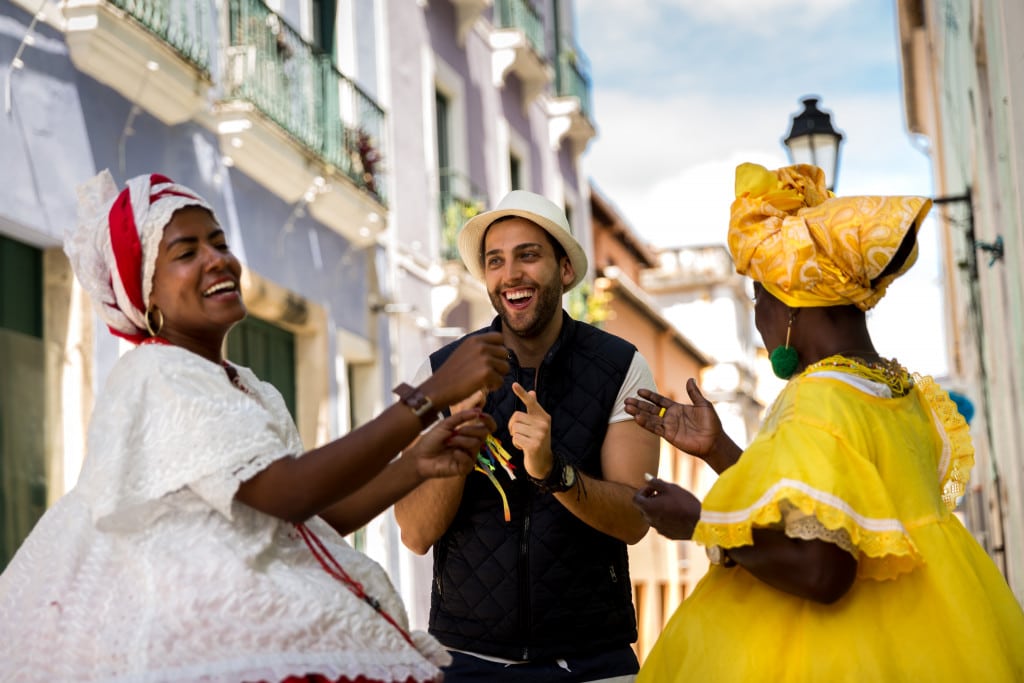
The Rise of Immersive Travel Experiences
Gone are the days when travel meant merely ticking off landmarks on a checklist. Today’s travelers are seeking authentic encounters with local communities, a trend that promotes cultural understanding and empathy. These immersive travel experiences allow individuals to step into the lives of others, witnessing firsthand the values, customs, and challenges that shape societies across the globe.
1. Homestays and Community-Led Tourism
One of the most effective ways to dive into a new culture is by staying with locals. Homestays allow travelers to live within the community, often participating in daily activities such as cooking, farming, or even learning traditional crafts. This type of engagement encourages cross-cultural dialogues and provides insights into a culture’s core values.
For example, in rural parts of Southeast Asia, travelers have the chance to work alongside indigenous communities, learning about their sustainable farming practices, local cuisine, and traditional arts. These experiences go beyond what a guided tour can offer, promoting real conversations that help travelers understand the challenges faced by locals in their day-to-day lives.
2. Volunteer and Educational Travel Programs
Another popular trend is volunteer tourism, where travelers contribute to local communities while learning about their socio-political issues. Programs that combine education with service help visitors engage in meaningful, hands-on projects. Whether it’s helping build schools, working with refugees, or providing healthcare in underserved areas, these experiences create lasting bonds and foster cultural empathy.
Educational travel programs are also on the rise, with people traveling to participate in workshops on local art, language, and traditions. For instance, cooking classes in Italy or language immersion in Peru are not just about learning new skills; they are about understanding cultural nuances and how food or language impacts the identity of a nation.
3. Eco-Tourism: Learning Through Sustainability
Sustainability and cultural preservation are closely tied in today’s tourism trends. Eco-tourism allows travelers to explore remote regions while actively participating in conservation efforts. In places like Costa Rica, eco-friendly travel involves staying in sustainable resorts, taking part in wildlife conservation programs, and learning about the challenges local communities face in preserving their environment.
The beauty of eco-tourism lies in its ability to merge environmental consciousness with cultural understanding. Travelers don’t just experience nature—they understand how people and their cultures coexist with it. This dynamic interaction often sparks important conversations about climate change, sustainable practices, and economic development.
4. The Role of Technology in Virtual Cultural Experiences
In 2025, virtual reality (VR) and augmented reality (AR) have transformed how we engage with distant cultures. With VR travel experiences, people can immerse themselves in historical sites, attend live cultural events from afar, or participate in virtual tours that showcase the arts and traditions of distant communities.
For those who can’t travel physically, these technologies offer a window into the world, providing a unique opportunity to learn about other cultures. They promote cultural understanding by making it possible for anyone, regardless of location or financial situation, to connect with the stories, traditions, and struggles of different communities.
Why Cultural Understanding Matters
As we move into an increasingly interconnected world, cultural understanding is no longer just an “optional” part of travel—it’s a necessity. Understanding the perspectives of others fosters respect, breaks down prejudices, and encourages collaboration across borders. Whether it’s through conversations in homestays, volunteering, or eco-tourism, each cultural exchange contributes to a more empathetic and informed global community.
In addition to fostering personal growth, these travel experiences can help combat stereotypes, support local economies, and promote the preservation of cultural heritage. When travelers connect with local people on a deep level, they come away with a new understanding of what it means to be part of a global society.
Practical Tips for Travelers Seeking Cultural Understanding
- Choose Authentic Travel Options:
Opt for local-led tours and small-scale accommodations like homestays and boutique eco-lodges. This gives back to local communities and provides richer, more authentic experiences. - Learn the Basics of the Local Language:
Even a few words can go a long way in showing respect for the culture and breaking down barriers. - Respect Local Traditions and Customs:
Always take time to research cultural norms. Simple gestures like dressing appropriately or being mindful of local eating habits can make a significant difference in your interactions. - Engage with Local Communities:
Look for volunteer opportunities or events that allow you to participate in the cultural and economic activities of the area. - Embrace Slow Travel:
Instead of rushing from one tourist site to another, take the time to linger in a place, experience daily life, and build connections with the locals.
Conclusion: The Future of Travel and Cultural Understanding
As 2025 continues to unfold, the demand for immersive travel experiences will only grow. People are no longer satisfied with surface-level experiences—they seek deeper connections with the cultures they visit. Through homestays, volunteer tourism, eco-travel, and virtual experiences, cultural understanding has become a central goal of modern-day travel. As travelers embrace these opportunities, they not only gain a richer understanding of the world but also contribute to a more empathetic, connected, and inclusive global community. These experiences empower people to make a meaningful impact through travel.
References
- Fletcher, J. (2023). The rise of immersive travel and its impact on cultural understanding. Available at: https://www.travelinsights.com (Accessed: 25 September 2025)
- Green, A. (2024). How eco-tourism is changing the way we travel and learn about other cultures. Available at: https://www.ecotourismweekly.com (Accessed: 25 September 2025)
- Williams, M. (2023). The role of technology in enhancing cultural experiences in tourism. Available at: https://www.journalofvirtualtourism.com (Accessed: 25 September 2025)

 Gardening Tips for Limited Outdoor Spaces