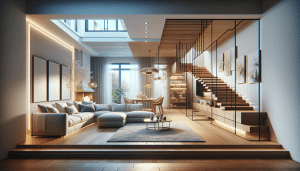
Minimalist Home Decor Ideas That Surprise You
Leila Andersson September 28, 2025
Discover how minimalist home decor can transform any living space into an inviting, stylish retreat. Learn practical tips for decluttering, choosing furniture, balancing aesthetics and function, and making your space uniquely yours by adopting trending lifestyle approaches such as eco-conscious design.
Why Minimalism Resonates With Modern Lifestyles
Minimalist home decor is captivating a wide audience seeking a sense of tranquility and order in a world full of distractions. By stripping back non-essentials and focusing on functional, thoughtfully curated pieces, minimalist style harmonizes beauty with practicality. This method is more than decorating—it’s about intentionally shaping the space to reflect your values and habits. Many find this approach frees their minds from visual stress, allowing relaxation and creativity to thrive. Adopting minimalist design can also spark conversations about conscious consumption and intentional living, two lifestyle trends attracting global attention (Source: https://www.apa.org/monitor/2019/09/simple-life).
But minimalism is not synonymous with cold or empty. The approach is warm, inviting, and highly individual. By curating items that truly resonate, spaces become more personal and welcoming. Intertwined in this design trend are sustainability and eco-friendliness—using fewer, better-made furnishings makes long-term sense for both the environment and your well-being. Minimalist decor doesn’t mean sacrificing comfort or style, but instead, elevating what matters most (Source: https://www.aturtleslifeforme.com/why-minimalism).
Many city dwellers gravitate toward minimalist home decor because it helps maximize small spaces. Clever organization and storage solutions are core features in this lifestyle. Clever multifunctional furniture or decor pieces with hidden compartments provide the functionality needed for urban apartments or compact homes. This results in cleaner lines, an uncluttered aesthetic, and arguably less daily stress due to easily maintained environments (Source: https://www.nytimes.com/guides/smarterliving/how-to-clean).
Decluttering: The First Step to Minimalist Decor
Decluttering is at the core of minimalist decor. Many people realize that a single session of organizing belongings can reveal space and light that felt hidden. The process often leads to an emotional release, as letting go of non-essential items can be deeply satisfying. Experts recommend starting with one room or even one category, such as clothing or books, to avoid feeling overwhelmed. This strategy makes decluttering achievable while preventing burnout (Source: https://www.mayoclinic.org/healthy-lifestyle/adult-health/in-depth/decluttering/art-20449743).
Learning how and what to declutter means developing awareness around what serves your daily life and what simply takes up space. Items with negative memories or that no longer work for your routines are strong candidates for removal. Some discover that decluttered environments improve productivity, support restful sleep, and even spark new creative projects. What remains in each space should inspire comfort or usefulness, merging seamlessly with the goal of aesthetic harmony.
Decluttering can have lasting benefits. Those adopting minimalist practices often find that their attitudes toward impulse purchasing shift. They may become more intentional about new acquisitions, seeking longevity and quality rather than quick trends. A decluttered, minimalist home becomes an evolving reflection of mindful living, promoting better habits and a stronger sense of control over physical and mental environments.
The Essentials: Choosing Minimalist Furniture and Decor
Minimalist furniture is celebrated for its simple lines and versatility. Choosing the right pieces begins with considering daily function—how will the space be used, and what pieces support this devoid of clutter? Neutral tones, multi-purpose designs, and natural materials such as wood, glass, or stone are common in minimalist spaces. Functionality is key; for example, a sofa bed or smart shelving can help maximize utility, especially in multi-use living spaces (Source: https://www.archdaily.com/872262/why-minimalist-interiors-are-popular).
Accessories also matter—less is more. Wall art, pottery, or textiles in minimalist rooms should be chosen with intention and restrained to a select few. Open, airy layouts allow the eye to travel and reduce mental clutter, complementing the calming palette of whites, grays, or muted pastels. Layering subtle textures—think linen throws or woven rugs—adds interest while keeping the overall look fresh and cozy. Each item should balance aesthetic value with practical function.
When shopping for minimalist decor, focus on durability and timeless form. Avoid fads and mass-produced designs with little character or longevity. Instead, seek craftsmanship and invest in fewer but higher-quality pieces. This mindful approach means every chair, table, or vase supports both utility and personal style. It encourages long-term sustainability in your lifestyle and maintains the core spirit of minimalist design.
Color, Lighting, and Ambience: Subtle Ways to Elevate Minimalist Decor
Color temperature and lighting can dramatically impact how minimalist decor feels day-to-day. Bright, natural light is prized in minimalist interiors as it highlights clean surfaces and uncluttered arrangements. Using sheer curtains or avoiding window coverings lets the sun flood in, creating a serene and welcoming space. Where natural light is limited, warm LED bulbs or strategically placed task lighting come into play, ensuring every corner feels intentional and inviting.
While neutral palettes dominate, adding in gentle color accents can enhance the environment’s depth without breaking the minimalist vibe. A single pastel cushion, a carefully chosen plant, or a framed print might turn a simple room into a lively, yet restful, personal space. Minimalist design doesn’t mean sterile—it means each color, fixture, or decor element has room to breathe. Consult lighting guides from design experts for creating balanced, functional, and mood-appropriate lighting throughout the home (Source: https://www.bhg.com/rooms/living-room/makeovers/minimalist-living-room-ideas/).
Many people achieve ambient warmth in minimalist homes through candlelight, textured lampshades, or indirect lighting placed behind furniture. Flexible lighting systems allow easy adjustment from energetic morning routines to soft, relaxing evenings. When paired with houseplants or natural wood finishes, these soft touches add comfort and a lived-in feel, rooting well-being into the fabric of the minimalist home. Try experimenting with different light temperatures until you find the mood that suits your lifestyle.
Multifunctional Spaces for Modern Living
The modern minimalist home responds creatively to changing lifestyles. Open-plan layouts are increasingly common, offering fluid transitions between work, leisure, and family zones. Sliding doors, mobile shelving, and nesting tables allow you to modify space based on your needs, perfect for those working or studying from home. Flexibility is central; large, adaptable surfaces provide opportunities for activities without crowding the room with unnecessary furniture.
Technology also harmonizes with minimalist decor. Devices with sleek profiles and wireless features reduce visual chaos, while wall-mounted screens or smart speakers blend seamlessly into a subdued decor scheme. Integrating clever storage solutions ensures that even the most practical items have a designated home, keeping open spaces free of mess. Consider wireless charging stations, fold-away desks, or all-in-one kitchen appliances to streamline your environment and maintain minimalist integrity.
Minimalist design can extend outdoors as well. Small patios or balconies filled with low-maintenance, carefully arranged plants foster a sense of calm without overwhelming maintenance. Modular outdoor furniture keeps spaces adaptable for relaxation or entertaining. The goal is always a flexible sanctuary that evolves with your life’s rhythms, supporting well-being and creative pursuits on your terms (Source: https://www.gardendesign.com/how-to/minimalist-gardens.html).
Eco-Conscious Trends in Minimalist Home Design
An emerging trend is the fusion of eco-consciousness with minimalism. People are seeking responsibly sourced furniture and decor, such as reclaimed wood or recycled metals. Indoor air quality plays a vital role, too—organic fabrics, low-VOC paints, and the presence of indoor plants contribute to a healthier, more sustainable home. This intersection of environmental awareness and aesthetics is shaping a new generation of lifestyle-conscious homeowners.
When selecting eco-friendly materials, consider durability and life-cycle impacts. Upcycled or vintage finds are popular, imbuing spaces with unique stories and character. Many minimalist enthusiasts choose pieces that can be easily repurposed should their needs change. This attitude aligns with broader environmental goals—less waste, more thoughtful buying, and a reduction in disposable goods. Organizations such as the EPA provide guidance for sustainable living and home improvement projects (Source: https://www.epa.gov/greenhomes).
Minimalist homes can easily accommodate new green technologies, from smart thermostats to solar-powered accents. Incorporating energy-saving appliances and water-wise fixtures can lower utility costs, supporting a lifestyle that is both stylish and economically savvy. These innovations help reinforce the social and environmental benefits of minimalist home design while enhancing comfort and convenience in everyday living.
References
1. American Psychological Association. (2019). The simple life: Why more people are choosing minimalism. Retrieved from https://www.apa.org/monitor/2019/09/simple-life
2. Mayo Clinic. (2022). Decluttering: How to get started. Retrieved from https://www.mayoclinic.org/healthy-lifestyle/adult-health/in-depth/decluttering/art-20449743
3. ArchDaily. (2017). Why do minimalist interiors remain globally popular? Retrieved from https://www.archdaily.com/872262/why-minimalist-interiors-are-popular
4. Better Homes & Gardens. (n.d.). Minimalist living room ideas for a serene space. Retrieved from https://www.bhg.com/rooms/living-room/makeovers/minimalist-living-room-ideas/
5. Garden Design. (n.d.). Minimalist gardens: Less really is more. Retrieved from https://www.gardendesign.com/how-to/minimalist-gardens.html
6. U.S. Environmental Protection Agency. (n.d.). Green homes. Retrieved from https://www.epa.gov/greenhomes

 You Deserve a Beach Escape These Hidden Gems Might Surprise You