Nutrition Practices That Support Brain and Body Health
Camila Duarte September 30, 2025
In 2025, discussions about nutrition practices that support brain and body health are taking center stage. With rising concerns about mental clarity, long-term wellness, and chronic disease prevention, people are looking beyond traditional diets. Emerging research shows that nutrition is not just about weight management—it’s about optimizing how our bodies and minds function together. From personalized nutrition driven by microbiome testing to brain-focused dietary strategies like nootropics and plant-based omega-3s, the field of health is shifting toward targeted approaches that improve both cognitive performance and physical resilience.
This article explores the most talked-about trends in nutrition today, highlighting practical steps you can take to align your diet with the science of brain and body health.

Why Brain and Body Nutrition Matters
While we often think of nutrition in terms of calories and weight, research has consistently shown that what we eat directly influences brain performance, mood, and overall health. Nutrients such as omega-3 fatty acids, antioxidants, and polyphenols play critical roles in reducing inflammation, supporting neural connections, and improving physical stamina.
The World Health Organization (WHO) has emphasized the importance of diet in preventing cognitive decline and chronic conditions such as cardiovascular disease and diabetes (WHO, 2023). This makes nutrition practices that support brain and body health more than a lifestyle choice—it’s a public health priority.
Emerging Trends in Nutrition for Brain and Body Health
1. Personalized Nutrition Through Microbiome Insights
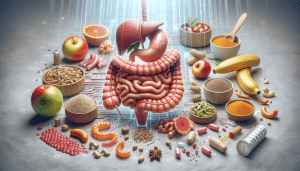
The gut-brain connection has become one of the hottest topics in nutrition research. The gut microbiome—trillions of bacteria living in our digestive tract—communicates with the brain through the gut-brain axis. This interaction affects everything from mood regulation to immune response.
- Trend: Companies now offer at-home microbiome testing kits, which analyze gut bacteria and provide personalized nutrition plans.
- Impact: Tailored diets may reduce inflammation, improve mental clarity, and help regulate energy levels.
- Practical Step: Incorporate more fermented foods like yogurt, kimchi, and kefir to naturally support gut health, even without a test.
2. Plant-Based Omega-3s for Brain Function
Omega-3 fatty acids are well known for supporting memory and concentration, but most people associate them with fish. With sustainability and dietary preferences shifting, plant-based sources of omega-3s—such as algae oil, chia seeds, and flaxseeds—are gaining attention.
- Trend: Algae-derived omega-3 supplements are growing in popularity as vegan-friendly alternatives.
- Impact: Studies show that these alternatives are as effective as fish oil in providing DHA, a key fatty acid for brain health (National Institutes of Health, 2024).
- Practical Step: Add ground flaxseeds to smoothies or sprinkle chia seeds on salads for a simple daily boost.
3. Nootropic Foods and Natural Cognitive Boosters
Nootropics—substances that enhance brain performance—are moving from supplements into everyday foods. Instead of relying solely on pills, people are seeking foods that naturally improve focus and memory.
- Trend: Products infused with matcha, lion’s mane mushrooms, or ginkgo biloba are now mainstream in wellness markets.
- Impact: Research suggests that these compounds may support brain function, though long-term studies are still evolving.
- Practical Step: Incorporate green tea or mushroom-based powders into your morning routine for a gentle mental lift.
4. Time-Restricted Eating for Mental Clarity
Intermittent fasting is not new, but it has evolved into more targeted approaches such as time-restricted eating (TRE). Instead of focusing on calorie reduction, TRE emphasizes eating within a specific time window—usually 8 to 10 hours.
- Trend: Studies suggest TRE may enhance neuroplasticity and reduce oxidative stress, benefiting both brain and body health.
- Impact: Beyond weight management, TRE has been linked to improved cognitive performance and reduced risk of metabolic disease (Harvard T.H. Chan School of Public Health, 2023).
- Practical Step: Try aligning your meals with natural circadian rhythms—eating earlier in the day and finishing meals before evening.
5. Polyphenols and Antioxidant-Rich Diets
Polyphenols, found in colorful fruits and vegetables, are at the forefront of nutrition science for their ability to combat oxidative stress—a factor linked to aging, memory loss, and chronic illness.
- Trend: Diets rich in blueberries, pomegranates, dark chocolate, and green tea are being promoted for brain longevity.
- Impact: These foods reduce inflammation and improve blood flow to the brain.
- Practical Step: Aim to include “a rainbow of colors” in your meals daily, focusing on naturally vibrant foods.
6. Protein and Muscle-Brain Connection
Emerging research highlights the relationship between muscle strength and brain function. Adequate protein intake not only supports physical recovery but also helps maintain neurotransmitter balance.
- Trend: High-protein diets with diverse sources—such as legumes, lean meats, and plant-based proteins—are linked to reduced cognitive decline in aging adults.
- Impact: Protein-rich diets support brain neurotransmitters like serotonin and dopamine, essential for mood stability.
- Practical Step: Balance animal and plant proteins throughout the day, aiming for at least 20–30 grams of protein per meal.
Practical Guide: Everyday Nutrition Practices for Brain and Body Health
To make these trends actionable, here are simple, research-supported steps you can integrate into your routine:
- Prioritize Omega-3s: Include fatty fish twice a week or plant-based alternatives daily.
- Eat for Your Microbiome: Add prebiotics (bananas, garlic, onions) and probiotics (fermented foods) for gut-brain support.
- Choose Nootropic Foods Over Supplements: Try green tea, dark chocolate, or mushroom powders.
- Practice Time-Restricted Eating: Start with a 10-hour eating window and adjust based on your lifestyle.
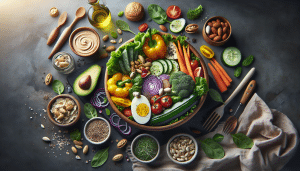
- Color Your Plate: Incorporate antioxidant-rich fruits and vegetables at every meal.
- Balance Protein Sources: Mix plant and animal proteins to support muscle and brain synergy.
- Stay Hydrated: Water supports nutrient absorption and helps maintain focus.
Conclusion
The conversation around nutrition practices that support brain and body health is evolving quickly, driven by new research and consumer interest in holistic wellness. From microbiome-based diets to plant-derived omega-3s and time-restricted eating, these trends emphasize a deeper connection between food and long-term cognitive and physical health.
By adopting practical, science-backed strategies—such as prioritizing omega-3s, embracing nootropic foods, and following time-restricted eating—you can support both mental clarity and body resilience in everyday life. Nutrition in 2025 is not about rigid dieting; it’s about integrating informed practices that optimize both the mind and body for lasting well-being.
References
- Harvard T.H. Chan School of Public Health. (2023). Intermittent fasting: Surprising update. https://www.hsph.harvard.edu
- National Institutes of Health. (2024). Omega-3 fatty acids and health. https://ods.od.nih.gov
- World Health Organization. (2023). Healthy diet. https://www.who.int

 DIY Projects That Add Style and Function to Homes