Nutrition Practices That Support Brain and Body Health
Camila Duarte September 26, 2025
The food we consume does more than fuel our bodies—it has a profound impact on how our brains function, how we feel, and how we perform day to day. In recent years, the field of nutritional psychiatry has gained attention for exploring how dietary choices influence not just physical health but also mood, focus, and long-term cognitive performance. As modern lifestyles become increasingly demanding, nutrition practices that support brain and body health are no longer a niche interest—they’re central to discussions on mental wellness, productivity, and longevity.
This article explores the emerging trends, scientific findings, and practical strategies shaping the way nutrition is being used to support both brain and body health.

Why Nutrition Is a Cornerstone of Brain and Body Health
The human brain is a high-energy organ. Despite weighing only about three pounds, it consumes nearly 20% of the body’s energy supply. This means that the foods we eat play a major role in determining our ability to think clearly, regulate emotions, and maintain energy. Poor dietary choices can lead to fatigue, impaired memory, and even higher risks of mental health disorders such as anxiety and depression.
At the same time, physical health is deeply intertwined with cognitive wellness. A nutrient-poor diet increases risks of chronic diseases such as diabetes, cardiovascular disease, and obesity, all of which are associated with higher rates of cognitive decline. This interconnectedness underscores why experts emphasize nutrition practices that support brain and body health holistically rather than treating them separately.
A 2022 study published in Molecular Psychiatry highlighted that diets high in fruits, vegetables, whole grains, and omega-3 fatty acids are linked to reduced risks of depression and better stress resilience. This growing evidence points toward a new era of healthcare where nutrition is viewed as preventive medicine for both mind and body.
The Gut-Brain Connection: Why Microbes Matter
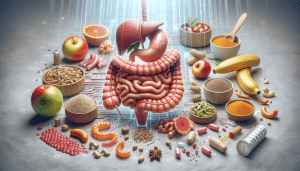
One of the most fascinating emerging areas in health science is the gut-brain axis. The gut is home to trillions of microbes, collectively known as the microbiome, which play a critical role in digestion, immunity, and even neurotransmitter production. In fact, around 90% of serotonin—the “feel-good” chemical—is produced in the gut.
When the gut microbiome is diverse and balanced, it helps regulate inflammation, improve nutrient absorption, and promote better mood regulation. Conversely, an unhealthy microbiome can contribute to conditions like brain fog, chronic stress, and even depression.
Foods that support gut-brain health include:
- Fermented foods: yogurt, kimchi, sauerkraut, miso, and kefir (rich in probiotics).
- Prebiotic foods: garlic, onions, asparagus, and bananas (which feed healthy gut bacteria).
- Fiber-rich foods: oats, beans, whole grains (to maintain microbial diversity).
- Polyphenol-rich foods: blueberries, dark chocolate, and green tea (antioxidant support).
The gut-brain connection is so central to modern health that many nutrition experts now recommend gut-supportive foods as part of strategies to reduce stress, improve focus, and enhance overall body health.
Nutrients That Fuel the Brain and Body
Not all nutrients are created equal when it comes to supporting cognitive performance and physical vitality. Research consistently points to specific vitamins, minerals, and compounds as key players in nutrition practices that support brain and body health.
1. Omega-3 Fatty Acids
- Found in: salmon, sardines, walnuts, chia seeds, flaxseeds.
- Benefits: support brain cell structure, enhance communication between neurons, and reduce inflammation.
- Research shows omega-3s are linked to improved mood, reduced symptoms of depression, and slower cognitive decline in older adults.
2. B Vitamins
- Found in: leafy greens, eggs, poultry, fortified cereals.
- Benefits: essential for energy metabolism, neurotransmitter production, and maintaining healthy nerve cells.
- Deficiency in B12 or folate has been linked to memory problems, fatigue, and mood disorders.
3. Magnesium
- Found in: spinach, pumpkin seeds, almonds, avocados.
- Benefits: supports over 300 biochemical reactions, reduces stress, regulates sleep cycles, and promotes relaxation.
4. Antioxidants
- Found in: berries, citrus fruits, dark chocolate, green tea.
- Benefits: protect the brain and body from oxidative stress, which accelerates aging and contributes to chronic illness.
5. Protein and Amino Acids
- Found in: lean meats, legumes, eggs, tofu, and dairy.
- Benefits: building blocks for neurotransmitters like dopamine and serotonin, which regulate mood, motivation, and focus.
Hot Trends in Nutrition for Brain and Body Health
Nutrition science is moving quickly, and several emerging trends are shaping how individuals and professionals approach diet and wellness.
Personalized Nutrition
The era of “one-size-fits-all” diets is fading. Thanks to DNA testing, gut microbiome analysis, and wearable health tech, personalized nutrition is on the rise. By tailoring diet plans to individual genetic markers and lifestyle habits, people can optimize nutrient intake to support mental performance and physical resilience.
Plant-Forward Diets
Plant-based eating is no longer just about ethics—it’s being recognized for its impact on brain health. Diets rich in legumes, leafy greens, whole grains, and nuts provide essential antioxidants and fiber that reduce inflammation and support cardiovascular and cognitive health.
Adaptogens and Functional Foods
Adaptogens—such as ashwagandha, ginseng, and reishi mushrooms—are becoming staples in wellness routines due to their potential to lower stress and improve energy balance. Functional foods, including beverages infused with probiotics or nootropics, are trending as convenient ways to improve mental focus and gut health simultaneously.
Intermittent Fasting and Time-Restricted Eating
While once controversial, intermittent fasting has gained mainstream traction. Research suggests it may improve insulin sensitivity, reduce inflammation, and support brain function by promoting autophagy (the body’s natural cell-cleaning process).
Practical Guide: How to Build a Brain-Body Nutrition Routine
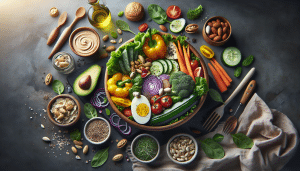
Adopting nutrition practices that support brain and body health doesn’t have to be complicated. Here are actionable steps to make it manageable:
- Start Your Day with Protein and Healthy Fats
Instead of sugary cereals, opt for eggs, avocado toast, or Greek yogurt with nuts to fuel focus and energy. - Eat a Rainbow of Vegetables
Different colors signal different nutrients. Aim for at least three different colors of produce at every meal. - Include Omega-3s Weekly
Incorporate fatty fish twice a week or plant-based alternatives like chia and flaxseeds daily. - Snack Smarter
Replace processed snacks with brain-friendly options: almonds, berries, or hummus with vegetables. - Stay Hydrated
Even mild dehydration can impair cognitive function. Set reminders to sip water regularly. - Limit Added Sugars and Processed Foods
These trigger energy crashes and can worsen inflammation. - Prioritize Gut Health
Add fermented foods or consider a probiotic supplement, especially during times of high stress.
The Future of Nutrition and Mental Health
The growing field of nutritional psychiatry is transforming how we think about healthcare. Instead of separating mental and physical health, experts now argue for integrated approaches that place nutrition at the center of prevention and treatment.
Looking ahead, advancements in personalized nutrition and microbiome science are likely to make dietary strategies even more precise. For individuals, this means the future of brain and body health could be shaped by food choices tailored to unique biological needs.
At the everyday level, the takeaway is simple: nutrition is not just fuel—it’s a form of self-care that directly shapes how we think, feel, and function. By intentionally choosing nutrition practices that support brain and body health, anyone can take meaningful steps toward better focus, resilience, and long-term wellness.
References
- Jacka, F. N., et al. (2022). Diet and depression: Emerging evidence for causal relationships. Molecular Psychiatry. Available at: https://www.nature.com (Accessed: 26 September 2025)
- National Institute of Mental Health. (2023). Brain health and nutrition. Available at: https://www.nimh.nih.gov (Accessed: 26 September 2025)
- Harvard T.H. Chan School of Public Health. (2023). Nutrients for better brain health. Available at: https://www.hsph.harvard.edu (Accessed: 26 September 2025)

 Hidden Ways You Can Transform Your Living Space