Tips for Organizing Outdoor Spaces Efficiently
Leila Andersson September 18, 2025
In recent years, outdoor living has transformed from a simple extension of the home to a dynamic and functional space for relaxation, dining, and entertaining. With the rise of outdoor kitchens, living rooms, and even office spaces, organizing your outdoor area efficiently has become a priority for homeowners. Whether you have a small patio or a sprawling backyard, creating a space that’s both functional and aesthetically pleasing doesn’t have to be difficult or expensive.
In this article, we’ll dive deep into the latest trends and practical tips for organizing your outdoor spaces. From maximizing small areas with multifunctional furniture to embracing sustainable practices, these ideas will help you optimize your outdoor living experience. By the end, you’ll have all the tools to turn your outdoor space into an inviting, well-organized retreat.
The Growing Importance of Outdoor Living Spaces
Outdoor spaces are no longer just a place to store lawnmowers and garden tools. They have evolved into essential areas for entertaining guests, relaxing after work, or even working remotely. According to a recent report by the National Association of Landscape Professionals, nearly 80% of homeowners believe that investing in an outdoor living area adds significant value to their homes.
This shift in how we use our outdoor spaces means that organization is key. With careful planning and thoughtful design, it’s possible to create a space that serves multiple functions without feeling cluttered. Efficient organization allows you to fully utilize every square foot of your yard, making your home feel more spacious and inviting.
Trend 1: Flexible Furniture for Small Spaces
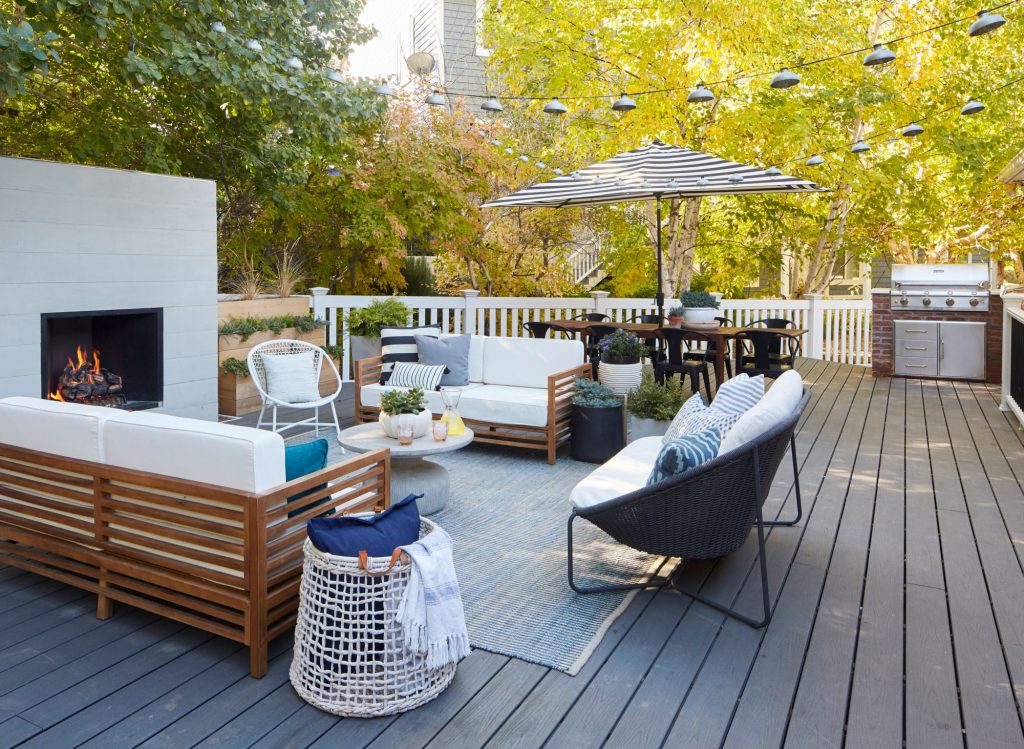
One of the most significant challenges in outdoor organization is maximizing space, especially in smaller yards, patios, and balconies. Flexible furniture plays a critical role in this. Opt for furniture that can be folded, stacked, or moved around with ease. Modular pieces, such as sectional sofas or stackable chairs, allow you to create different layouts based on your needs and the number of guests.
Why It Works:
- Maximized Functionality: Modular and folding furniture makes it easy to transition between a cozy lounging area and a larger dining or entertaining setup.
- Storage Solutions: Many modern outdoor furniture options come with hidden storage. For instance, storage benches can hold cushions or gardening tools, reducing the need for separate storage containers.
- Space-Saving: Modular pieces can be arranged in various ways, which helps when space is limited, and ensures your outdoor area remains flexible.
If you have limited space, consider multi-use furniture like ottomans that serve as both seating and a table. This not only saves space but also keeps your outdoor setup functional and stylish.
Trend 2: Vertical Gardens for Better Organization
When ground space is at a premium, vertical gardening is a perfect solution. Growing plants vertically not only makes the area more inviting but also organizes your outdoor space. Consider installing wall-mounted shelves, repurposing old ladders to hold plants, or building vertical garden planters.
Why It Works:
- Space-Saving: Vertical gardens utilize the vertical plane, leaving more ground space for other activities like seating or cooking.
- Aesthetic Appeal: The visual interest added by climbing plants or hanging planters can transform a drab outdoor area into a lush, vibrant haven.
- Better Airflow and Drainage: Raised garden beds and vertical planters often offer better drainage and airflow for plants, improving their health and vibrancy.
This technique works especially well in urban environments where traditional gardens are limited by space. A wall full of flowers or herbs adds color and life to even the smallest outdoor spaces.
Trend 3: Smart Storage Solutions
Organization is about more than just keeping things tidy—it’s about finding the right storage solutions to keep items accessible and secure. Storage benches, weatherproof containers, and under-deck storage areas can help you hide away seasonal items, tools, or cushions when not in use.
Practical Storage Ideas:
- Outdoor Storage Benches: These are perfect for storing cushions, toys, or even gardening tools, and they double as seating. Weather-resistant materials such as resin or treated wood ensure that your items stay dry and protected from the elements.
- Deck Boxes and Storage Sheds: If you have a deck or patio, consider installing a small deck box or shed for items like firewood, pool supplies, or outdoor dining accessories. These storage units keep your space neat without taking up too much room.
- Hanging Baskets and Hooks: Use the walls and fences of your outdoor space to hang small items such as garden tools, lanterns, or even hats. This keeps these items easily accessible while freeing up ground space.
Storage solutions also help organize and declutter your garden tools, toys, and even gardening supplies, making your outdoor space more enjoyable and usable.
Trend 4: Lighting for Ambience and Function
Outdoor lighting is both a functional and aesthetic addition to any space. Whether you’re looking to highlight certain areas or create a relaxing atmosphere, lighting helps make your outdoor space usable after dark. Solar-powered lights, string lights, and LED lanterns not only provide much-needed illumination but also enhance the ambiance.
Top Lighting Ideas:
- String Lights: These are a versatile and affordable way to add charm to any outdoor space. String lights work well on patios, balconies, or pergolas, adding warmth and character.
- Pathway Lights: Illuminate pathways or garden beds with small, solar-powered lights. These are perfect for creating a safe and visually pleasing path for evening walks.
- Accent Lighting: Use up-lighting to highlight trees or architectural features like walls, fences, or outdoor art. This not only adds visual interest but also makes the space feel cozy and inviting.
Lighting can also help organize your space by defining different zones, such as dining, lounging, and garden areas. Additionally, solar-powered lights are an eco-friendly solution that saves energy and reduces costs over time.
Trend 5: Sustainable Organization Practices
Sustainability is a growing trend in outdoor design and organization. Homeowners are increasingly looking for ways to reduce waste, conserve water, and use eco-friendly materials. From composting to rainwater harvesting, there are many ways to make your outdoor space more sustainable.
Sustainable Solutions:
- Composting: Setting up a composting station in your outdoor space allows you to recycle organic waste, such as food scraps and yard trimmings, into nutrient-rich soil for your garden.
- Rainwater Harvesting: Installing a rain barrel to collect water from your roof can provide a sustainable source for watering your garden or washing your outdoor spaces.
- Recycled Materials: Use recycled materials, such as reclaimed wood, for your outdoor furniture or decking. This reduces your environmental footprint while adding character and charm to your space.
Sustainable practices help ensure your outdoor space doesn’t just look good but also aligns with eco-conscious living. Plus, they can reduce maintenance costs and promote a healthier environment.
Trend 6: Layered Landscaping for Defined Spaces
Layered landscaping is a technique used to create depth and organization within an outdoor space. By arranging plants, furniture, and pathways in layers, you can define different areas and make the space feel larger and more organized.
How to Layer Your Landscape:
- Layer Plants by Height: Plant taller shrubs or trees at the back and shorter plants at the front. This creates depth and makes the garden visually interesting.
- Create Pathways: Use gravel, stone, or paving to create clear paths that lead to different areas of your yard. Pathways can act as natural dividers between different functions, such as a dining area and a garden.
- Functional Zones: Arrange furniture and other elements into functional areas, such as a dining zone, a lounging area, or a play space for kids. Each of these zones should feel connected yet distinct.
Layering adds a sense of purpose to each part of your yard, making it more organized and functional.
Conclusion
Organizing your outdoor space efficiently is about more than just tidying up—it’s about creating a functional, beautiful environment that works for you. Whether you’re dealing with a small balcony or a large backyard, applying these emerging trends and practical organization tips will help you make the most of your outdoor space. From flexible furniture and vertical gardening to smart storage solutions and sustainable practices, each element adds a layer of organization that enhances both the style and functionality of your yard.
By incorporating these ideas, you can transform your outdoor area into a haven for relaxation, entertaining, and enjoying the outdoors year-round. The key is to plan with purpose, prioritize functionality, and make your space work for your lifestyle.
References
- National Association of Landscape Professionals. (2021). Outdoor living: Trends and the future of landscaping. National Association of Landscape Professionals. Available at: https://www.landscapeprofessionals.org (Accessed: 18 September 2025)
- Dyer, A. (2022). Maximizing small outdoor spaces: Tips for designing with functionality in mind. Architectural Digest. Available at: https://www.architecturaldigest.com (Accessed: 18 September 2025)
- Green, H. (2023). The rise of sustainable landscaping: Eco-friendly ideas for your backyard. Green Living. Available at: https://www.greenliving.com (Accessed: 18 September 2025)

 Steps to Build Strong Leadership Skills