Secrets Behind You Embracing Minimalist Living Spaces
Leila Andersson September 28, 2025
Explore why minimalist living is attracting so much attention in interior design and daily life habits. This guide takes you through the benefits, principles, practical tips, and the hidden emotional impact of creating a minimalist home, shining a light on how it shapes lifestyle and entertainment choices.
The Rising Appeal of Minimalist Living Spaces
Minimalist living spaces are gaining immense popularity, especially among urban dwellers and design enthusiasts. The essence of minimalism revolves around simplicity, intention, and creating a sense of calm. Interestingly, a minimalist lifestyle helps reduce visual clutter and the feeling of being overwhelmed by material possessions. Many discover that by choosing quality over quantity and focusing on functional design, they create environments that foster peace and inspiration. A significant driver behind this trend is the growing awareness of sustainability and how minimalist home setups often favor environmentally conscious choices (Source: https://www.sustainability.gov.au/).
Personal space impacts well-being. With busier lives and technological overload, individuals are gravitating towards living spaces that act as sanctuaries. Minimalist interiors support mental clarity and enable people to unwind after a hectic day. Whether in studio apartments or spacious homes, the principles of open layouts, neutral colors, and organized storage trigger a remarkable transformation in ambiance. Many who transition to this lifestyle report improved focus, lower stress levels, and more time to dedicate to hobbies or socializing (Source: https://www.mayoclinic.org/healthy-lifestyle/stress-management/in-depth/stress-relief/art-20044456).
Minimalism is not only about aesthetics. It’s a mindset shift. Modern entertainment, media, and influencer culture frequently display sleek, minimalist designs, which reinforce the appeal. Streamlined furniture, curated décor, and uncluttered surfaces fill lifestyle magazines and online platforms. Everyone is not expected to live with bare walls and empty shelves, but adopting certain minimalist elements into your space can improve daily experiences and lead to more thoughtful consumption habits. The journey toward minimalism is deeply personal and varied, making it accessible for anyone interested in refreshing their space or routine.
Foundations of Minimalist Interior Design
The foundation of minimalist interior design is built on creating order and calm. It emphasizes clean lines, open floor plans, and multi-functional furnishings. The guiding principle is ‘less is more.’ Every object is chosen for its utility and beauty. This method is closely connected to scientific findings about how clutter can negatively affect mood and cognitive performance (Source: https://news.harvard.edu/gazette/story/2019/03/harvard-research-finds-clutter-cuts-down-on-productivity-and-brings-more-stress/). By removing unnecessary decorations or furniture, natural light and movement within a room become more prominent.
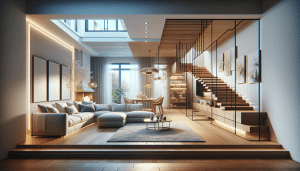
Color schemes in minimalist homes often revolve around whites, beiges, and muted tones. Soft lighting, large windows, and subtle contrasts form the backbone of the design. This isn’t about restriction—there’s a subtle elegance in limit. Minimalist-inspired entertainment rooms are being designed to highlight key pieces like a comfortable armchair or a statement art piece. Instead of crowding the area, each item is given space to shine. This design philosophy supports digital detoxification as well, encouraging fewer screens or distracting gadgets, echoing current wellness trends.
Smart storage solutions are essential. Innovative shelving, hidden compartments, and dual-purpose furniture enable efficient use of space. This approach is ideal for smaller apartments or shared housing. Choosing minimalist living does not mean giving up comfort. On the contrary, it helps residents focus on quality investments, such as ergonomic chairs, layered textiles, and energy-efficient appliances. The overall environment supports relaxation and elevates daily living by letting important aspects—like natural light and fresh air—take center stage.
Benefits Extending Beyond the Physical Space
Minimalist living benefits reach far beyond having an attractive home. Many notice improvements in their mental well-being after reducing home clutter. Studies show that chaotic environments may increase the release of stress hormones and impact sleep patterns (Source: https://www.sleepfoundation.org/environment/bedroom-organization). With less to clean and maintain, one gains more free time. That’s a real luxury for busy professionals or families. In addition, decision fatigue decreases when you’re not constantly faced with too many choices—something as simple as a tidy wardrobe brings peace of mind.
Minimalist living can also boost financial wellness. Those who shift to minimalist spaces often find themselves making more intentional purchases. Rather than impulsively buying décor or fashion, people tend to save for higher-quality items that last. This curbs unnecessary spending and supports sustainability. Over time, less time spent shopping and organizing translates into more time for entertainment, creative pursuits, or restful breaks. This benefit is especially valued by people balancing home, work, and social lives.
The emotional effects can be both subtle and profound. Embracing minimalist values encourages awareness and gratitude for what one already owns. Small gatherings, cozy movie nights, or simple dinners become more meaningful when not overshadowed by excess clutter. Minimalist principles can guide holiday decorating, event hosting, and even virtual entertainment setups, offering clarity and intentionality. For many, these changes spark joy and make home life more fulfilling while supporting overall well-being.
Simple Steps to Start Minimalist Living at Home
Getting started with a minimalist space is easier than it may seem. Begin by focusing on decluttering one area at a time, whether it’s a shelf, a closet, or a corner in the living room. Sorting belongings into ‘keep,’ ‘donate,’ and ‘recycle’ piles works well to reduce excess. Investing in storage baskets, drawer organizers, and clever shelving keeps surfaces tidy and open. The most successful minimalist spaces tend to have clear surfaces, a few favorite focal pieces, and a welcoming sense of calm.
When it comes to decorating, prioritize function. Opt for high-quality, multi-use pieces where possible: a convertible sofa, nesting tables, or stackable dining chairs can maximize floor space. In entertainment areas, media center furniture with built-in storage helps maintain a clean aesthetic. Plants, textiles, and carefully chosen art add warmth and personality, proving that minimalist doesn’t mean cold or empty—just thoughtfully curated. Over time, small decisions compound, leading to significant improvements in daily routines.
The journey to minimalism is ongoing. Set aside time each week to reassess your space and make adjustments as needed. Embrace the idea that evolving tastes are a natural part of life. Consider joining online communities or following minimalist living blogs for guidance and inspiration. Many find that the process soon extends beyond the home, influencing other lifestyle and entertainment choices, such as travel plans, shopping habits, and even how digital content is consumed.
How Minimalism Impacts Personal Entertainment Choices
Minimalist living subtly shapes the way individuals approach entertainment. With less clutter and distraction, many find renewed interest in board games, reading, or crafting due to the calming environment. Simple, meaningful gatherings with friends replace complicated social events. Instead of elaborate parties, hosts opt for intimate evenings accentuated with good conversation and music. This trend is supported by research on well-being, which indicates that quality interactions boost happiness more than material possessions (Source: https://www.ncbi.nlm.nih.gov/pmc/articles/PMC4380263/).
The placement and selection of entertainment technology is a key consideration in minimalist design. Choose one main entertainment device or system and limit accessories. For instance, a single soundbar or a streamlined television center is easier to manage and maintain visually. Curated digital libraries—for music, films, or games—reduce data clutter. Tangible entertainment extras like vintage books or vinyl records often double as aesthetic décor, demonstrating that personal interests and minimalism go hand-in-hand when tastefully integrated.
Less is often more rewarding. Minimalism encourages deeper, longer engagement with books, games, or streaming selections, rather than rapid switching or background noise. Many people discover newfound appreciation for favorite hobbies or develop new ones when distractions are minimized. Dedicating separate time for entertainment away from work zones within the home aligns with both productivity and relaxation goals. The minimalist approach makes these experiences more intentional and satisfying, supporting well-rounded lifestyle habits.
Moving Toward Sustainable and Mindful Consumption
Living a minimalist lifestyle naturally encourages sustainability. It promotes conscious buying, focusing on items crafted for durability and ethical sourcing. By reducing the frequency of purchases and the volume of owned objects, minimalists help ease the burden on manufacturing, shipping, and landfill waste. These choices echo larger global movements striving for more mindful resource consumption. The outcome? Cleaner homes, lighter hearts, and a reduced personal environmental footprint (Source: https://www.epa.gov/smm/sustainable-management-materials).
Minimalist living also synchronizes with digital minimalism—reducing online clutter, managing subscriptions, and setting clear boundaries for screen time. Maintaining streamlined digital tools supports work-life balance. Digital minimalists frequently report higher satisfaction with their tech use, less stress, and greater efficiency. The migration towards minimalist philosophies reflects a deeper societal trend toward purposeful living and a search for true fulfillment over constant consumption. Many discover they feel lighter and more grounded by simply owning and using less.
Ultimately, minimalist living is about creating space—for experiences, loved ones, and passions. It is not a rigid rulebook. Instead, it offers flexible guidelines for those seeking to refresh their homes, improve their well-being, and invite more freedom into everyday routines. Whether transforming a single room or embracing a full-home makeover, minimalism invites everyone to rediscover joy in simplicity and make room for what truly matters most.
References
1. Australian Government. (n.d.). Sustainability in your home. Retrieved from https://www.sustainability.gov.au/
2. Mayo Clinic. (n.d.). Stress relief: Stress management. Retrieved from https://www.mayoclinic.org/healthy-lifestyle/stress-management/in-depth/stress-relief/art-20044456
3. Harvard Gazette. (2019). Harvard research finds clutter cuts down on productivity and brings more stress. Retrieved from https://news.harvard.edu/gazette/story/2019/03/harvard-research-finds-clutter-cuts-down-on-productivity-and-brings-more-stress/
4. Sleep Foundation. (n.d.). Bedroom organization and sleep. Retrieved from https://www.sleepfoundation.org/environment/bedroom-organization
5. National Institutes of Health. (2015). The pursuit of happiness: How modern culture affects happiness. Retrieved from https://www.ncbi.nlm.nih.gov/pmc/articles/PMC4380263/
6. United States Environmental Protection Agency. (n.d.). Sustainable management of materials. Retrieved from https://www.epa.gov/smm/sustainable-management-materials

 Small Space Living Ideas You Never Considered