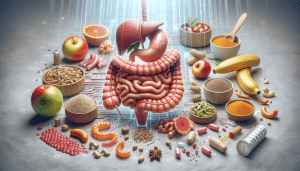
Secrets You Didn’t Know About Gut Health
Camila Duarte October 26, 2025
Ever wondered what’s really happening inside your gut? Explore surprising facts about gut health, microbiome balance, and the impact on overall wellness. This guide unpacks digestive breakthroughs, lists common gut-friendly foods, and discusses actionable ways people address gut discomfort.
Understanding Your Gut’s Hidden World
When people talk about gut health, gut bacteria are often at the center of the discussion. The human gut hosts trillions of microorganisms—collectively called the gut microbiome—that quietly influence much more than digestion. This microscopic community helps break down food, extract nutrients, and supports a healthy immune system. Greater diversity in gut bacteria is linked with better metabolic health and even mood stability, according to studies from reputable research organizations (https://www.nia.nih.gov/news/gut-microbiome-may-influence-healthy-aging).
The gut is commonly referred to as the “second brain” due to its deep connection to the central nervous system. The vagus nerve acts as a line of communication, sending messages between gut and brain, which impacts stress levels, appetite, and emotional wellness. Research has revealed that changing the gut microbiome, such as by including prebiotics and probiotics, may significantly affect brain function and resilience to anxiety (https://www.hopkinsmedicine.org/health/wellness-and-prevention/the-brain-gut-connection). This brain-gut connection puzzles many, yet it plays an essential role in how people feel and react to daily life.
It’s fascinating to note that most of the immune system resides in the gut. A strong, balanced microbiome can help fend off pathogens and enhance resistance to illness. When gut health is disrupted—sometimes from antibiotics or a heavily processed diet—people may notice bloating, irregularity, or even skin flare-ups. Maintaining equilibrium means paying close attention to everyday factors, including stress, sleep, and dietary choices, which all play into the body’s digestive performance.
Signs That Gut Health Needs Attention
The gut provides various clues when something isn’t quite right. Recurrent bloating, abdominal pain, and irregular bowel movements may be early hints of imbalanced gut flora. While occasional digestive issues are common, persistent symptoms should encourage individuals to examine daily habits, including food, hydration, and stress patterns (https://www.niddk.nih.gov/health-information/digestive-diseases).
Unexpected signs may also signal gut concerns. These include unexplained fatigue, frequent headaches, skin irritations, or food intolerances. New research highlights links between microbiome imbalances and increased inflammation, which can play a role in autoimmune issues and chronic conditions. Listening to your body’s subtle cues can guide people toward more mindful dietary and wellness practices.
Even mood swings or trouble concentrating sometimes trace back to the gut. Because certain neurotransmitters, like serotonin, are produced in the gut, a disrupted microbiome may influence emotional well-being and cognitive clarity. Recognizing these patterns empowers individuals to make informed adjustments, seek professional advice, and build habits that reinforce gut comfort and mental balance (https://www.healthline.com/nutrition/gut-brain-connection).
Gut-Friendly Foods People Consider
Supporting gut health starts on the plate. A variety of plant-based foods are packed with fiber, which acts as fuel for beneficial gut bacteria. Leafy greens, oats, beans, and colorful vegetables contribute to this natural process. Fermented foods—like yogurt, kefir, sauerkraut, and kimchi—are especially potent, delivering live probiotics that help replenish and diversify the microbiome (https://www.hsph.harvard.edu/nutritionsource/healthy-drinks/probiotics/).
Many also incorporate prebiotic-rich foods, which serve as nourishment for probiotics. Garlic, onions, bananas, and asparagus are common choices. By mixing prebiotics and probiotics, people create a synergistic effect that cultivates resilience in digestive health. Hydration is equally important—water aids in digestion and helps maintain a balanced environment for gut flora.
Some individuals use elimination diets, guided by healthcare professionals, to identify foods that might disrupt gut balance. For some, dairy, gluten, or artificial sweeteners can lead to discomfort. Gradual reintroduction of these foods, with careful observation, allows people to determine their unique triggers. This tailored approach supports well-being and comfort.
Lifestyle Habits That Influence Digestion
Meal timing and eating pace matter more than people think. Eating slowly and chewing thoroughly gives digestive enzymes a head start and reduces the risk of bloating. Regular routines—such as consistent meal times and adequate sleep—also help regulate circadian rhythms, which research connects to optimal absorption and gut harmony (https://www.cdc.gov/sleep/about_sleep/chronic_disease.html).
Chronic stress can quietly undermine digestive health. The gut responds to stress hormones by changing motility, pH, and even the balance of bacterial species. Stress-reducing activities, such as deep breathing, mindful movement, nature walks, or creative hobbies, all help promote smoother digestive function and happier flora. Establishing relaxation routines can lead to noticeable improvements over time.
Movement itself is an often-underestimated digestive ally. Activities like walking, yoga, or gentle stretching support motility—helping food pass efficiently through the gastrointestinal tract. Daily movement doesn’t have to be strenuous; even brief, regular activity fosters digestion and long-term gut resilience. It’s about consistency, not intensity.
Exploring Advances in Gut Wellness
Interest in the human microbiome has spurred dramatic advances in gut health research. Scientists now study the role of novel probiotics, the impact of antibiotics, and even how stem cells may one day be used to repair damaged tissue in the gut lining. Ongoing discoveries promise innovative solutions for people experiencing chronic digestive challenges (https://www.nih.gov/news-events/nih-research-matters/harnessing-microbes-improve-health).
One emerging area is the focus on psychobiotics—specific strains of good bacteria that influence psychological well-being. Preliminary results suggest these may help moderate stress, improve mood, and fortify emotional resilience. While research is ongoing, it certainly opens fascinating possibilities for future integrative care plans that bridge mental and digestive health.
Precision nutrition is increasingly discussed, using personalized microbiome testing to tailor dietary strategies for each unique digestive system. Some people explore at-home testing kits, though it’s still recommended to consult with medical professionals for interpretation. The field is expanding quickly, making gut research one of the most dynamic frontiers for holistic wellness.
Practical Steps Toward a Happier Gut
While gut health can seem mysterious, small daily actions add up. Many people find benefits from adding new high-fiber foods, eating slowly, or including fermented dishes in their diet. Journaling meals and symptoms helps identify patterns. If concerns persist, sharing this record with a healthcare provider can offer clear insight for more targeted support (https://www.cdc.gov/nutrition/about-nutrition/why-it-matters.html).
Self-care strategies extend beyond food. Managing stress and prioritizing sleep each play a significant role in maintaining a healthy digestive environment. Exploring mindfulness practices or engaging in gentle exercise are both stepwise actions that can help rebalance the gut. Seeking out community resources or support groups can also provide valuable encouragement.
Everyone’s gut is unique. What works for one person may not suit another. The path to digestive comfort is often a combination of nutrition, movement, rest, and professional guidance. With steady attention and informed choices, people can support gut health and, by extension, feel more comfortable and energized in everyday life.
References
1. National Institute on Aging. (n.d.). Gut microbiome may influence healthy aging. Retrieved from https://www.nia.nih.gov/news/gut-microbiome-may-influence-healthy-aging
2. Johns Hopkins Medicine. (n.d.). The brain-gut connection. Retrieved from https://www.hopkinsmedicine.org/health/wellness-and-prevention/the-brain-gut-connection
3. National Institute of Diabetes and Digestive and Kidney Diseases. (n.d.). Digestive diseases. Retrieved from https://www.niddk.nih.gov/health-information/digestive-diseases
4. Harvard T.H. Chan School of Public Health. (n.d.). Probiotics. Retrieved from https://www.hsph.harvard.edu/nutritionsource/healthy-drinks/probiotics/
5. Centers for Disease Control and Prevention. (n.d.). Sleep and chronic disease. Retrieved from https://www.cdc.gov/sleep/about_sleep/chronic_disease.html
6. National Institutes of Health. (n.d.). Harnessing microbes to improve health. Retrieved from https://www.nih.gov/news-events/nih-research-matters/harnessing-microbes-improve-health

 What Happens When You Buy a Foreclosed Home