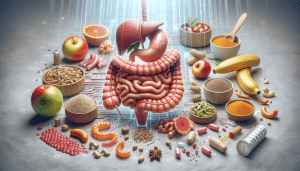
Secrets You Might Not Know About Gut Health
Camila Duarte September 26, 2025
Curious about how gut health impacts your daily wellness? Explore practical insights on gut-friendly foods, the gut-brain axis, and surprising ways a healthy gut can influence everything from digestion to mental clarity in this detailed guide.
The Gut Microbiome: Your Body’s Unsung Hero
Many people are surprised to learn that trillions of microorganisms live inside the digestive system, forming what’s known as the gut microbiome. These bacteria, fungi, and viruses are essential for processing nutrients, supporting the immune system, and helping to maintain overall well-being. The diversity and balance of the gut microbiome may impact areas as varied as digestion, metabolism, and even mood regulation. Research continues to uncover why gut health is such a crucial pillar of wellness, encouraging a deeper look into how daily habits and food choices can influence this complex system. Keeping the gut healthy isn’t a one-time achievement. It’s an ongoing journey that involves mindful eating, stress reduction, and plenty of fiber-rich foods.
Changes in the gut environment can impact nutrient absorption and immune responses. For example, certain gut bacteria aid in breaking down carbohydrates that the body cannot digest independently. This fermentation process not only helps release energy but can also produce beneficial compounds like short-chain fatty acids. More people are seeking ways to foster a healthy gut flora through lifestyle changes, prebiotic-rich foods, and probiotic supplements when advised by healthcare professionals (Source: https://www.nccih.nih.gov/health/probiotics-what-you-need-to-know).
Gut health influences more than just digestion. The interconnectedness with immune function means that a balanced microbiome may help protect against illness and chronic inflammation. Disruptions, however, are linked with problems such as food sensitivities, bloating, and changes in appetite. By understanding these connections, people often become more proactive in nourishing their gut, including seeking variety in the fruits, vegetables, and fermented foods in their diets. This curiosity often leads to exploring the full spectrum of gut-friendly habits for sustained wellness.
Gut-Friendly Foods: Everyday Choices That Matter
What you eat plays a direct role in shaping your gut’s microbial community. Diets high in fiber from vegetables, fruits, whole grains, and legumes help promote beneficial bacteria. Prebiotic foods like garlic, onions, leeks, bananas, and asparagus feed existing good bacteria, while fermented foods such as yogurt, kefir, kimchi, and sauerkraut introduce live cultures that can enrich microbial diversity. This focus on plant-based and fermented foods is more than a passing trend and can support a more robust digestive tract over time.
Processed foods, in contrast, are often associated with a decrease in microbial diversity. Excess sugar and unhealthy fats can encourage the growth of less beneficial bacteria. Cutting back on processed snacks while increasing intake of whole foods may help the gut flourish naturally. Even making simple swaps—choosing oatmeal over sugary cereals, or snacking on berries instead of cookies—can add up to significant benefits. The nutrition label is always telling a story about gut health.
Some individuals turn to probiotic supplements, but experts often recommend focusing on whole foods first. While supplements can be helpful in certain scenarios, real, unprocessed foods also provide additional nutrients like vitamins, minerals, and phytonutrients. If supplements are considered, it’s wise to consult healthcare providers and rely on guidance from reputable health organizations (Source: https://www.mayoclinic.org/diseases-conditions/digestive-system/experts/probiotics/faq-20058065). The key is cultivating daily eating habits that support both physical and mental wellness.
The Gut-Brain Connection: More Than a Metaphor
Emerging research continues to highlight a fascinating link between gut health and mental well-being. This relationship, often referred to as the gut-brain axis, involves a network of signals that travel between the gut and the brain. These signals may influence emotions, stress responses, and even cognitive clarity. For example, the balance of gut bacteria can affect the production of neurotransmitters like serotonin, which is sometimes called the ‘happy chemical’ due to its role in mood regulation.
Disruptions in gut health may correspond with changes in mood, stress tolerance, or sleep quality. Some people with unbalanced microbiomes report increased anxiety, irritability, and even challenges with concentration. Strategies to support gut-brain health often focus on a combination of nourishing the microbiome with varied foods, managing stress through relaxation techniques, and prioritizing adequate rest. It’s a holistic process rather than a one-size-fits-all solution.
The gut-brain dialogue also opens doors for future discoveries in both nutrition and psychology. Interventions that support gut health—such as adopting a Mediterranean-inspired diet or integrating fiber-rich and fermented foods—might offer tangible benefits not only for digestive health but also for mood support (Source: https://www.health.harvard.edu/diseases-and-conditions/the-gut-brain-connection). The take-home message is simple but powerful: a healthy gut could positively affect emotional and cognitive well-being.
Supporting Gut Health Through Lifestyle Habits
Gut health isn’t just about food. Daily habits such as getting regular exercise, staying hydrated, and managing stress all contribute to a well-functioning digestive system. Movement stimulates digestion and may support microbial diversity, while hydration helps keep things moving smoothly through the gut. Even small increases in daily activity, like walking after meals, may aid the digestion process.
Chronic stress can alter the gut environment and trigger inflammation, so relaxation techniques like deep breathing, meditation, or mindful movement can be helpful. Sleep also plays a significant role. A lack of restful sleep has been shown to disrupt gut bacteria, which in turn may influence how bodies respond to stress. Striving for consistent bedtime routines and healthy sleep hygiene may be as vital as what’s eaten during the day.
Other supportive lifestyle habits include eating meals mindfully and allowing ample time for digestion before lying down. Avoiding excessive alcohol and non-essential medications (when possible and under a doctor’s care) can help limit disturbances to beneficial bacteria. Creating a balanced daily routine that centers on gut-supportive behaviors makes it easier to maintain long-term digestive health and resilience (Source: https://www.cdc.gov/healthyweight/healthy_eating/index.html).
Recognizing Common Signs of an Unbalanced Gut
Many people experience occasional digestive discomfort, but persistent symptoms may indicate an unbalanced gut. Gas, bloating, diarrhea, constipation, and heartburn can be warning signs that the microbiome needs attention. While occasional issues might be linked to food choices or stress, ongoing symptoms often motivate people to review their eating habits and consult healthcare professionals for guidance.
Other less obvious signs include fatigue, skin irritation, and frequent illness. Since the microbiome interacts closely with the immune system, shifts in gut health may translate into weakened defenses or chronic low-grade inflammation. It is important not to ignore subtle signals and to approach gut health as part of an overall wellness routine, rather than just responding to discomfort when it arises.
Balancing the microbiome usually requires a gradual, consistent approach rather than sudden, drastic changes. For those with significant or ongoing symptoms, laboratory testing guided by medical advice can reveal imbalances. Addressing these issues may involve tailored eating plans, targeted supplements, and lifestyle adjustments under professional care (Source: https://www.gastro.org/practice-guidance/gi-patient-center/topic/irritable-bowel-syndrome-ibs). Acting on early signs can help restore equilibrium and foster lasting gut vitality.
Long-Term Strategies for Lifelong Gut Wellness
Supporting gut health is an ongoing journey, not a quick fix. Those with thriving gut ecosystems often maintain variety in their diets, consistent hydration, and regular movement. Making sustainable changes—such as adding an extra serving of vegetables or swapping highly processed snacks for whole foods—adds up over time and creates the foundation for resilient digestion.
Education is also key. Staying informed about the latest digestive health research and remaining curious about how different foods and habits affect the gut can empower lifelong wellness decisions. Communities, online platforms, and trusted public health resources often share recipes, habit trackers, and up-to-date evidence around gut health (Source: https://medlineplus.gov/digestivehealth.html).
Finally, adaptability is essential. What works well for one person’s gut may not for another, especially in the context of changing health needs or food sensitivities. Keeping an open dialogue with healthcare providers, paying attention to gut signals, and evolving routines as needed can all support a happy, healthy microbiome for the long haul. Gut wellness, after all, is an evolving practice anchored in daily choices and lifelong learning.
References
1. National Center for Complementary and Integrative Health. (n.d.). Probiotics: What You Need to Know. Retrieved from https://www.nccih.nih.gov/health/probiotics-what-you-need-to-know
2. Mayo Clinic. (n.d.). Digestive health: Probiotics. Retrieved from https://www.mayoclinic.org/diseases-conditions/digestive-system/experts/probiotics/faq-20058065
3. Harvard Health Publishing. (n.d.). The gut-brain connection. Retrieved from https://www.health.harvard.edu/diseases-and-conditions/the-gut-brain-connection
4. Centers for Disease Control and Prevention. (n.d.). Healthy Eating for a Healthy Weight. Retrieved from https://www.cdc.gov/healthyweight/healthy_eating/index.html
5. American Gastroenterological Association. (n.d.). Irritable Bowel Syndrome (IBS). Retrieved from https://www.gastro.org/practice-guidance/gi-patient-center/topic/irritable-bowel-syndrome-ibs
6. Medline Plus. (n.d.). Digestive health. Retrieved from https://medlineplus.gov/digestivehealth.html

 Discover Gentle Ways You Can Support Joint Health