Simple Habits That Transform Your Gut Health Fast
Camila Duarte October 20, 2025
Understanding gut health can help you discover a new pathway to better overall wellness. This article explores daily habits that support digestion, why a balanced microbiome matters, and expert-backed tips to nurture your gut naturally for optimal health.
Why Gut Health Is Essential For Wellness
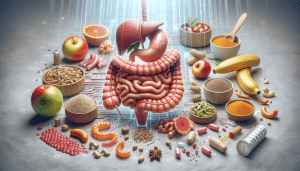
The gut is often called the body’s second brain. A healthy gut can impact mood, energy, and even immune function. Scientists have discovered that diverse bacteria in the digestive system play a key role in converting food into vital nutrients and maintaining immune balance. When your microbiome is thriving, your body feels the difference: better digestion, energy, and resilience. Emerging research links gut health to mental clarity and emotional stability, suggesting that this hidden world inside you affects far more than digestion alone.
Disruption in gut flora is surprisingly common. What causes these imbalances? Poor dietary choices, chronic stress, medications, and lack of sleep can all harm your gut microbiota. Over time, this might lead to discomfort, bloating, or even more serious issues like weakened immunity<div. Researchers agree—probiotics, fiber-rich foods, and mindful eating habits are essential for rebuilding and maintaining balance. It’s not just what you eat, but also how you eat that matters. Slowing down and chewing thoroughly aids in both digestion and nutrient absorption.
Why is everyone talking about the connection between the gut and mind? New studies reveal a microbiome-brain connection, known as the gut-brain axis. These two systems communicate through nerve pathways and chemical messengers, influencing each other constantly. A poor digestive tract can disrupt this harmony, leading to fatigue or mood changes. Supporting gut health isn’t only about digestion—it’s about boosting your entire well-being. Understanding these links inspires more mindful choices at the table and beyond.
Building A Gut-Friendly Diet Step By Step
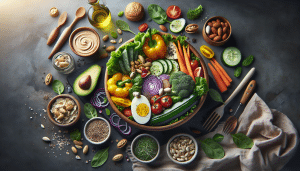
Small diet changes can yield big benefits for gut health. Begin by incorporating more variety. Aim for a colorful plate packed with vegetables, lean proteins, nuts, and seeds. Dietary fiber feeds the beneficial bacteria in your microbiome, helping them multiply and keep less helpful species in check. Prebiotic foods—such as garlic, onions, and bananas—deliver important nutrients that fuel digestive balance. Over time, meals that are diverse and whole-food-based reinforce healthy gut flora and promote regularity.
Fermented foods like yogurt, kefir, kimchi, sauerkraut, and miso are another cornerstone of a gut-healthy lifestyle. These foods introduce live probiotics, or “good bacteria,” into your digestive tract. Scientific reviews suggest that adding fermented items to meals may help restore balance after illness or antibiotic use (Source: https://www.ncbi.nlm.nih.gov/books/NBK279396/). Gradual introduction is key since too much at once can overwhelm the system if you aren’t used to them. Try starting with small portions and listening to your body’s response.
Minding your sugar intake is vital too. High-sugar foods may encourage the overgrowth of less beneficial gut bacteria and yeast, contributing to digestive discomfort over time. Instead, opt for natural sweeteners in moderation. Whole grains, legumes, and seasonal fruits not only offer sweetness but also deliver soluble fiber, which supports regular bowel movements and nurtures beneficial microbes. Making these dietary swaps sets the stage for lasting gut wellness and better energy throughout the day.
Daily Routines That Support A Healthy Microbiome
It’s not just food that shapes your gut—daily routines matter as well. Studies show that regular movement, like walking, yoga, or dancing, helps stimulate digestion and supports a balanced microbiome (Source: https://www.hsph.harvard.edu/nutritionsource/food-features/probiotics-and-prebiotics/). Exercise encourages more diverse bacteria to thrive, which can improve both immune and digestive efficiency. Even light movement after meals aids the digestive process and contributes to gut health.
Chronic stress can negatively impact the gut, disrupting the delicate balance of bacteria. Mindfulness techniques such as deep breathing, meditation, or spending time in nature have been shown to benefit both mental well-being and digestive health (Source: https://www.apa.org/topics/gut-health). Try building a daily wellness routine that prioritizes relaxation and self-care. This eases tension and supports optimal digestion, serving as a preventative measure against future discomfort.
Quality sleep is another often overlooked pillar of gut health. Poor sleep patterns can reduce diversity in the microbiome and contribute to inflammation. Build a gentle evening ritual: dim the lights, disconnect from screens, and focus on calming activities in the last hour before bed. This simple practice helps keep your digestive system and circadian rhythms in sync, enhancing the body’s ability to repair and rejuvenate overnight.
Understanding Food Sensitivities And Their Impact
Many people experience bloating, gas, or discomfort after eating certain foods but might not know the true cause. Food sensitivities can subtly affect gut health, sometimes without dramatic symptoms. Common culprits include dairy, gluten, soy, and high-fructose items. Keeping a simple food journal can help identify patterns between meals and digestion. Tracking your experiences can clarify which foods help you feel energized and which lead to discomfort—no one-size-fits-all answers here.
If you suspect food sensitivities, working with a registered dietitian can be helpful. Professional input ensures you don’t accidentally cut out important nutrients or fall into restrictive patterns. Scientists caution against extreme elimination diets; a targeted and evidence-based approach protects overall nutrition and avoids worsening gut imbalances (Source: https://www.niddk.nih.gov/health-information/digestive-diseases/food-intolerance). By fine-tuning your meals, you can personalize a gut-friendly plan without missing out on key foods.
Sometimes, unexplained digestive issues might signal more than just sensitivities. Disorders like irritable bowel syndrome or inflammatory bowel disease can mimic food intolerance but require specific management. Consulting healthcare professionals ensures correct diagnosis and guides proper treatment, supporting the journey toward balanced gut health. Exploring your body’s signals with patience and care is a powerful strategy for lasting wellness.
Practical Ways To Incorporate Probiotics And Prebiotics
To take your gut health further, understanding the role of probiotics and prebiotics is essential. Probiotics—helpful live bacteria—can be found in fermented foods or supplements. Their benefit lies in their ability to crowd out harmful bacteria and promote gut lining integrity. Certain strains may also enhance immune defense, making the gut less susceptible to common infections.
Equally important are prebiotics—compounds that serve as fuel for beneficial gut microbes. Foods such as chicory root, leeks, asparagus, and apples are excellent prebiotic sources. These fibers are not digested by humans but pass through the digestive tract to nourish bacteria and encourage their growth. The synergy between prebiotics and probiotics creates an environment where your digestive system can adapt and thrive (Source: https://www.cdc.gov/foodsafety/communication/fermented-foods.html).
Choosing a probiotic supplement? Not all products are equal—what matters are the strains, dosage, and freshness. While many people benefit from yogurt and kefir, others might need tailored solutions based on their health conditions. Speak with healthcare professionals to choose wisely and create a routine that fits your lifestyle. A combination of prebiotic-rich meals and occasional probiotic boosts can lead to visible improvements in digestion and energy levels over weeks to months.
When To Seek Additional Guidance Or Support
Most gut issues can be improved with lifestyle changes. However, persistent symptoms—severe discomfort, blood in the stool, or unexplained weight loss—signal the need for medical attention. Early consultation prevents escalation of conditions and ensures appropriate diagnosis. Healthcare professionals have access to advanced tools for evaluation and management, keeping you safe and informed.
Working with a nutritionist, gastroenterologist, or registered dietitian offers personalized insight for stubborn or complicated digestive issues. Lab tests or elimination trials may be necessary to pinpoint problems precisely. These professionals blend science with experience, offering strategies that are sustainable, realistic, and effective. Even when gut dissatisfaction seems minor, professional guidance helps uncover hidden sources and rebalance your microbiome more efficiently.
Support goes beyond doctors’ visits. Joining a local or online community offers encouragement and evidence-based peer advice. Organizations like the International Foundation for Gastrointestinal Disorders offer resources and forums for ongoing education and support (Source: https://www.iffgd.org/). The journey to a healthier gut is unique but never solitary—connecting with others who share your goals can boost motivation and deepen success.
References
1. National Institutes of Health. (n.d.). Human Microbiome. Retrieved from https://www.nih.gov/news-events/nih-research-matters/human-microbiome
2. Harvard T.H. Chan School of Public Health. (n.d.). Probiotics and Prebiotics. Retrieved from https://www.hsph.harvard.edu/nutritionsource/food-features/probiotics-and-prebiotics/
3. U.S. National Library of Medicine. (n.d.). The Gut-Brain Connection. Retrieved from https://www.ncbi.nlm.nih.gov/books/NBK279396/
4. American Psychological Association. (n.d.). Gut Health. Retrieved from https://www.apa.org/topics/gut-health
5. Centers for Disease Control and Prevention. (n.d.). Fermented Foods and Food Safety. Retrieved from https://www.cdc.gov/foodsafety/communication/fermented-foods.html
6. National Institute of Diabetes and Digestive and Kidney Diseases. (n.d.). Food Intolerance. Retrieved from https://www.niddk.nih.gov/health-information/digestive-diseases/food-intolerance

 Unlocking Business Credit Scores for Growth