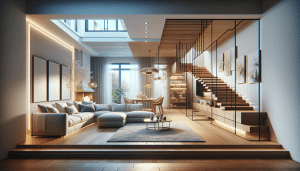
Simple Home Decor Tricks That Make You Smile
Leila Andersson October 14, 2025
Transform your living space into a haven of comfort and creativity with practical home decor ideas. This article explores simple, affordable tricks for boosting style, mood, and personality in any room, empowering you to refresh your space effortlessly.
Embracing Minimalism for a Clearer Mind
Minimalism goes beyond clean countertops and empty spaces. It’s about curating your surroundings to include only what brings joy and purpose. More people are recognizing that clutter can cloud the mind and affect productivity. By removing excess objects and focusing on tasteful, intentional pieces, a home instantly feels calmer and more restful. Try donating unused items, rearrange what’s left, and appreciate how open spaces can improve your mood. Minimalist design also tends to feature neutral color schemes, adding to a peaceful atmosphere that helps reduce daily stress.
The journey toward minimalism often starts small. Begin by choosing one area—maybe your entryway or coffee table—to declutter. Swap out knickknacks for a simple vase or a piece of artwork. Natural light plays a powerful role too. Pulling back curtains and allowing sunshine to fill a room instantly makes it feel warmer and more welcoming. These little shifts can lead to lasting changes in how you approach home decor, centering your focus on what truly matters.
While minimalist style is gaining momentum, it’s also about personalization. Incorporate a handmade textile, a family heirloom, or a meaningful framed photo. This ensures the space still reflects your personality while providing mental clarity. Over time, a decluttered home can encourage healthier routines, as studies suggest tidy spaces promote better sleep and even healthier lifestyle choices. Emphasizing quality over quantity not only looks good but feels good every day.
Infusing Spaces with Color and Texture
Color impacts emotion. Subtle blues evoke tranquility, while vibrant yellows and greens can inject energy into a room. Incorporating color does not always mean painting a whole wall. Think throw pillows, area rugs, or decorative bowls. Layering textures, such as woven baskets, velvet cushions, or a chunky knit throw, adds visual interest and comfort. Even a bold lamp shade or patterned curtains showcase personality while staying budget-friendly.
Experimenting with new color palettes can be less intimidating when starting small. A gallery wall of art or prints mixes color and texture at once. Local craft fairs or online shops often feature unique handmade ceramics or textiles perfect for adding flair without overwhelming a space. Mixing different finishes—like shiny metals and rustic woods—creates balance and dynamic style, which experts say appeals to both sight and touch senses in design.
Texture does more than please the eye. A soft wool rug underfoot or a linen tablecloth encourages you to slow down and enjoy your environment. Consider layering cozy blankets on a sofa or a tactile wall hanging in a hallway. Adding texture and color can also be an evolving process, as trends and personal tastes change. Swapping pillow covers or throws with the seasons keeps your home feeling fresh and inviting all year round.
Personalized Gallery Walls That Spark Conversation
Gallery walls bring an artistic touch to plain surfaces. More than just decoration, they tell a story about your journey, taste, and values. Arranging framed photos, artwork, quotes, or souvenirs in a cohesive group gives even rented spaces a unique flair. These walls can become focal points in living rooms, bedrooms, or even hallways, drawing attention and admiration from visitors for their creativity and sentimental value.
Creating a gallery wall starts with collecting pieces that mean something. Mix family photos with art prints, or incorporate travel memories, postcards, or pressed flowers. The layout can be geometric for a modern look or organic for a more relaxed vibe. Using different frame styles and colors can keep visual energy high. Some people use painters’ tape to arrange options before making any holes in the wall, making the process easy and mess-free.
Gallery walls are not static. Updating images, adding seasonal touches, or rotating in new artwork keep the display lively. Experts often suggest including a central statement piece to anchor the collection. Lighting, from picture lights to string lights, also adds dimension, creating a welcoming glow in the evenings. These displays allow you to relive cherished moments and share positive stories with friends and guests, boosting the mood of everyone who sees them.
Repurposed and Upcycled Decor for Unique Style
Repurposing old furniture or objects is a rewarding way to refresh a room and reduce waste. From turning ladders into bookshelves to transforming wooden crates into side tables, upcycled decor brings character and sustainability to your home. This practice saves money while promoting resourcefulness and creativity. Thrift stores and flea markets offer hidden treasures that, with a bit of sanding or paint, become statement pieces.
DIY projects don’t need advanced skills. Consider reimagining glass jars as candle holders or vases. An old chair can become a plant stand, and fabric scraps may be sewn into cushion covers. Online communities, like design forums or social media groups, are full of inspiration and step-by-step tutorials for nearly any project. These upcycled creations become talking points, reflecting both creativity and eco-conscious values in your living space.
Upcycling also creates a sense of accomplishment. Working on a project, even a small one, builds connection with your home as you infuse it with your effort and personality. This type of decor often starts conversations and encourages others to try their own hands at sustainable design. The end result is a unique, meaningful, and environmentally friendly home that stands out from mass-produced interiors.
Setting the Mood with Lighting and Scents
Lighting has a profound effect on mood. Warm bulbs create a relaxing ambience, ideal for bedrooms and living rooms. Brighter, whiter lights work well in kitchens or studies. Smart bulbs or dimmer switches let you adjust lighting for reading, movie nights, or quiet evenings, adding flexibility to every space. String lights, lanterns, or candles add a whimsical touch, perfect for winding down after a long day.
Don’t overlook the power of scent. Freshly baked bread, brewing coffee, or a natural candle can instantly enhance comfort. Scented diffusers, essential oils, or fresh flowers introduce calming or invigorating aromas throughout the home. Certain fragrances, such as lavender or eucalyptus, are known for their calming effects and can help signal the brain that it’s time to relax. Mixing scents by room allows for a personalized experience for every guest and resident.
Lighting and scent together create a holistic sensory environment. Professionals suggest placing lights at varied heights for interest—floor lamps, table lamps, and wall fixtures all contribute to a layered look. Pairing this with personalized scents evokes memories or creates new rituals associated with special occasions or everyday comfort. Over time, these elements become essential parts of your home’s emotional landscape and overall happiness.
Bringing Nature Indoors to Renew Energy
Natural elements—plants, wood, and stone—promote relaxation and well-being. Houseplants clean air, add greenery, and introduce softer lines to any room. For beginners, snake plants or pothos are both hardy and attractive options. Integrating natural decor, like wooden trays, stone coasters, or woven baskets, adds organic warmth without overwhelming delicate decor schemes. Watching a plant thrive can spark appreciation for the small beauties of indoor life.
Even small spaces welcome nature. Consider wall-mounted planters or hanging baskets when floor space is tight. A bowl of fresh fruit, a jar of branches, or a simple bouquet bring color and vibrancy. Studies suggest that exposure to greenery—real or even faux—reduces mental fatigue and increases feelings of contentment. Decorating with natural elements also supports seasonal transitions, helping homes feel grounded and current as months change.
Nature indoors fosters a sense of connection to the outside world. It’s easy to mix and match natural textures and neutral tones for a cohesive look. Open windows when the weather allows, invite in a fresh breeze, and enjoy sunlight streaming through glass. These gentle cues nudge everyone toward a more balanced state of mind, proving nature’s value in every living space. A touch of green or a wooden accessory makes any house more vibrant and inspiring.
References
1. National Institutes of Health. (n.d.). Mindfulness for Your Health. Retrieved from https://newsinhealth.nih.gov/2016/06/mindfulness-your-health
2. Harvard Health Publishing. (n.d.). Freshen Up Your Home With Greenery. Retrieved from https://www.health.harvard.edu/blog/a-novel-path-to-purifying-your-indoor-airhouseplants-2019102418145
3. American Psychological Association. (n.d.). The Power of Lighting on Life. Retrieved from https://www.apa.org/monitor/2016/09/ce-corner
4. Environmental Protection Agency. (n.d.). Indoor Air Quality. Retrieved from https://www.epa.gov/indoor-air-quality-iaq/inside-story-guide-indoor-air-quality
5. Smithsonian Institution. (n.d.). Understanding Color and the Art of Color. Retrieved from https://www.si.edu/spotlight/color/understanding-color
6. U.S. Department of Energy. (n.d.). Lighting Choices to Save You Money. Retrieved from https://www.energy.gov/energysaver/lighting-controls

 You Can Create a Capsule Wardrobe for Effortless Style