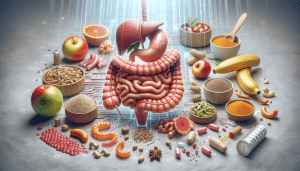
Small Habits That Transform Your Gut Health
Camila Duarte October 13, 2025
Discover how everyday choices—like what you eat, how you manage stress, and your sleep patterns—can significantly impact digestive wellness. This guide explores practical strategies, science-backed tips, and the powerful role of a healthy gut microbiome for lasting health and vitality.
Understanding the Gut Microbiome and Its Impacts
The gut microbiome is a vibrant community of trillions of bacteria, viruses, and fungi living in your digestive tract. This microscopic ecosystem influences not just digestion but also immune responses, energy levels, and even mental wellness. When these microbes are balanced and diverse, the body experiences smoother digestion, more efficient nutrient absorption, and fewer gastrointestinal issues. Researchers have found that a healthy gut microbiome is linked to reduced inflammation and lower risk of chronic diseases, highlighting its importance in long-term wellness (https://www.nccih.nih.gov/health/gut-microbiome).
However, an imbalance in gut flora—known as dysbiosis—can occur from frequent antibiotic use, high-stress lifestyles, diets low in fiber, or excessive processed food intake. Dysbiosis may result in symptoms like bloating, gas, irregular bowel movements, and even issues beyond digestion such as frequent colds, skin outbreaks, or mood swings. Studies increasingly show the gut’s influence on the brain, often labeled as the gut-brain axis, which explains why gut disturbances affect overall mood and cognitive function (https://www.health.harvard.edu/diseases-and-conditions/the-gut-brain-connection).
A healthy gut is rooted in everyday habits—what you eat, how you sleep, how you handle stress, and whether you keep your body moving. Recognizing that each small step, like adding a serving of vegetables or carving out a few minutes for relaxation, will build resilience in your gut flora. This ongoing relationship between daily choices and gut health makes understanding the microbiome vital for those seeking improved well-being and disease prevention.
Foods That Support Digestive Wellness
Diet is one of the most powerful levers for gut health transformation. Consuming a wide variety of plant-based foods ensures exposure to different fibers, which are the main fuel for beneficial gut bacteria. Fiber-rich foods like oats, lentils, broccoli, apples, and leafy greens encourage a thriving microbe environment. Fermented foods—such as yogurt, kefir, kimchi, sauerkraut, and miso—naturally introduce additional live cultures into the digestive system, reinforcing diversity and resilience in gut populations (https://www.hsph.harvard.edu/nutritionsource/probiotics-and-prebiotics/).
In addition to increasing fiber, reducing excess added sugars and ultra-processed foods can support efficient nutrient absorption and lessen inflammation. The gut lining can become vulnerable when regularly exposed to highly processed foods, artificial sweeteners, and fried items. Foods rich in polyphenols—such as berries, nuts, olive oil, and green tea—not only provide antioxidants but also foster a microbiome ecosystem willing to fight off unwanted bacteria and promote gastrointestinal harmony (https://www.ncbi.nlm.nih.gov/pmc/articles/PMC4997434/).
For individuals exploring dietary changes, gradual incorporation of legumes, seasonal vegetables, and whole grains can prevent digestive discomfort. Hydration is equally crucial; water helps move food smoothly, reducing waste buildup and constipation risk. The best approach often includes experimenting with different food types and observing personal responses, as everyone’s gut microbiome composition and sensitivities are unique. Consulting a licensed dietitian can also offer tailored dietary strategies for those with ongoing digestive issues.
Movement and Its Unexpected Effect on Gut Function
Physical activity plays a surprising role in digestive health. Regular movement—anything from structured exercise to brisk walks—stimulates intestinal contractions known as peristalsis. This speeds up food transit time, minimizing bloating and supporting healthy bowel movements. A sedentary lifestyle, on the other hand, may contribute to sluggish digestion and functional gastrointestinal symptoms, emphasizing why exercise is more than just a weight-management tool (https://www.medicalnewstoday.com/articles/physical-activity-for-gut-health).
Endurance activities such as cycling, jogging, or swimming often boost gut diversity and support anti-inflammatory processes in the body. Even gentle forms of exercise, like restorative yoga or tai chi, have shown benefits in reducing abdominal discomfort and improving gut motility. Movement also positively affects the microbiome itself; regular exercisers tend to possess a broader spectrum of beneficial bacteria, which may lead to stronger immunity and improved mood regulation.
Incorporating routine activity doesn’t require marathon efforts. The key is consistency and enjoyment. Small habits—like a daily walk after meals or light stretching—can set the stage for better digestive wellness. Blending movement with outdoor experiences—nature walks or gardening—may compound benefits by reducing stress at the same time. Those new to exercise can start with five to ten minutes daily and gradually increase as energy and confidence build, always listening to personal comfort levels.
Managing Stress for a Healthier Gut
Stress is an often-underestimated disruptor of gut health. When stress hormones surge, digestion slows down, and the composition of the gut microbiota may shift toward a less favorable balance. Symptoms like cramps, constipation, or sudden changes in bowel patterns can signal that emotional well-being is affecting gut function. Researchers refer to this as the gut-brain axis, a communication network constantly exchanging messages between the digestive tract and central nervous system (https://www.ncbi.nlm.nih.gov/pmc/articles/PMC7366856/).
Mindfulness practices—such as deep breathing, regular meditation, progressive muscle relaxation, and journaling—help tone down reactivity to stressors. These techniques produce measurable shifts in gut activity and have been shown to ease symptoms of irritable bowel syndrome and functional dyspepsia. Even scheduling ten minutes daily to decompress, disconnect from screens, or enjoy a favorite calming activity can make a noticeable difference.
For those experiencing persistent digestive discomfort despite dietary and exercise efforts, addressing emotional stress may be the missing link. Professional support through cognitive behavioral therapy or supportive counseling can be effective for unwinding chronic stress patterns. Community connections—sharing meals, laughter, and time with friends—also buffer the effects of stress on body systems, weaving emotional and gut health together.
The Power of Sleep and Rest in Gut Healing
Sleep isn’t just about restoring energy; it’s fundamental for maintaining gut health. During sleep, the gut lining repairs itself, cellular waste is cleared, and important microbial populations rebalance. Chronic sleep deprivation or erratic sleep routines can disrupt the balance of these bacteria, increasing inflammation and reducing resilience against pathogens. Studies have even linked short sleep duration to increased risk of gastrointestinal disturbances and metabolic diseases (https://www.sleepfoundation.org/physical-health/gut-health-and-sleep).
Prioritizing sleep hygiene—consistent bedtime, limiting blue light exposure before bed, and avoiding large meals late at night—has ripple effects on digestive efficiency and immune responses. Simple changes, such as calming bedtime routines or a technology-free wind-down hour, can create an environment that nurtures both the body and the gut ecosystem. Evaluating sleep quality as part of a gut health improvement plan is often overlooked but highly beneficial.
Rest and naps, when used thoughtfully, further relieve pressure on digestion. They allow the parasympathetic nervous system (rest-and-digest mode) to take the lead, reducing inflammation and aiding tissue renewal. If falling asleep is regularly challenging, seeking sleep assessments from healthcare professionals might reveal treatable conditions, ultimately enhancing both sleep and gut harmony for the long term.
Personalizing Gut Health—Listening to Your Body’s Clues
No two guts are the same. Genetics, early life exposures, medications, and even cultural dietary patterns create a personal microbial fingerprint. Paying attention to digestive symptoms—bloating, altered bowel habits, or food sensitivities—unlocks valuable feedback about how individual habits are shaping gut health. Tracking food, energy levels, and daily stressors in a notebook helps reveal connections that might otherwise be missed.
Those with chronic or severe digestive issues might consider more detailed exploration, such as working with healthcare providers for testing or tailored elimination diets. There is growing interest in personalized nutrition approaches and probiotics tailored to specific microbial imbalances, though experts caution that more research is needed to predict who will benefit most from customized regimens. Still, being curious and open to experimentation within a balanced, nutrient-rich eating pattern remains a cornerstone.
Gut health is a lifelong journey. Celebrating small improvements and practicing self-compassion through setbacks is vital. The body’s response will change through different life stages—paying regular attention and adapting habits ensures the gut continues to support energy, immune vitality, and emotional balance. Ultimately, gut wellness isn’t just about avoiding discomfort; it’s about thriving in all aspects of life.
References
1. National Center for Complementary and Integrative Health. (n.d.). Gut Microbiome. Retrieved from https://www.nccih.nih.gov/health/gut-microbiome
2. Harvard Health Publishing. (n.d.). The gut-brain connection. Retrieved from https://www.health.harvard.edu/diseases-and-conditions/the-gut-brain-connection
3. Harvard T.H. Chan School of Public Health. (n.d.). Probiotics and prebiotics. Retrieved from https://www.hsph.harvard.edu/nutritionsource/probiotics-and-prebiotics/
4. Hervert-Hernández, D. et al. (2016). Bacterial Metabolism of Polyphenols in the Colon and their Health Effects. Retrieved from https://www.ncbi.nlm.nih.gov/pmc/articles/PMC4997434/
5. Medical News Today. (2019). Physical activity for gut health. Retrieved from https://www.medicalnewstoday.com/articles/physical-activity-for-gut-health
6. Sleep Foundation. (n.d.). Gut Health and Sleep. Retrieved from https://www.sleepfoundation.org/physical-health/gut-health-and-sleep

 Secrets Dermatologists Want You to Know About Glowing Skin