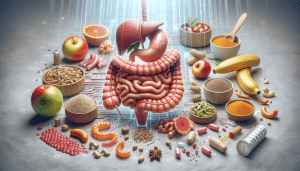
Surprising Ways Gut Health Impacts Your Life
Camila Duarte November 8, 2025
Discover how gut health plays a vital role in physical and mental wellness. This comprehensive guide explores the gut microbiome, signs of imbalance, practical dietary tips, and the fascinating gut-brain connection using real research and actionable strategies.
Understanding the Gut Microbiome
The term ‘gut microbiome’ describes the community of trillions of microorganisms living in your digestive tract. These bacteria, fungi, and viruses help process nutrients, defend against harmful invaders, and influence how the body absorbs vitamins. The mix of these microorganisms isn’t fixed—it’s shaped by diet, environment, and everyday choices, which means gut health is dynamic and responsive. Many experts call the gut our ‘second brain’ because it produces neurotransmitters, such as serotonin, that help regulate mood and well-being (Source: https://www.nccih.nih.gov/health/probiotics-what-you-need-to-know).
Recent research indicates that the gut microbiome can affect digestion, inflammation, and even immune system strength. Changes in the microbiome can happen with illness, stress, or when the usual dietary pattern shifts. Recognizing how easily this environment can be influenced brings attention to daily habits, like fiber intake, which fuel beneficial bacteria. Some people experience rapid improvements when introducing prebiotic foods or fermented products that nurture these microorganisms. The relationship between gut flora and wellness grows more evident with new discoveries.
What’s particularly fascinating is how the gut’s vast ecosystem interacts with the rest of the body. It’s a busy marketplace: bacteria synthesize short-chain fatty acids and vitamins, and metabolites travel through the bloodstream, shaping aspects of well-being far beyond digestion. Scientists are still uncovering the full impact, but maintaining a thriving microbiome is linked to vitality, steady energy, and emotional health. In short, a happy gut supports a healthier, more balanced lifestyle.
Common Signs of Gut Imbalance
Gut issues can show up in subtle but important ways. It’s not always about stomach pain; symptoms might include fatigue, poor concentration, frequent cravings, or unexpected skin issues. People may also notice persistent bloating or changes in bowel habits when their gut bacteria become unbalanced. Emerging evidence shows that even recurring headaches or joint discomfort can sometimes be linked to underlying gut health problems (Source: https://www.cdc.gov/foodsafety/communication/gut-health.html).
Mood swings and persistent low mood have also been connected to the gut. Because the gut communicates with the brain, disruptions can influence how hormones and neurotransmitters are produced. For some, anxiety and stress become more apparent during periods of digestive upset, suggesting the gut-brain link is powerful. Meanwhile, research into food intolerances highlights how certain ingredients can disrupt the balance, triggering inflammation and discomfort.
Physical clues like bad breath, sugar cravings, or strong reactions to antibiotics may hint at an unbalanced microbiome. Factors such as poor sleep, high stress, and diets high in processed foods can push the body toward dysbiosis—a term describing a less diverse, less functional microbial community. Listening to these signals can guide healthier choices and proactivity in self-care routines.
The Gut-Brain Connection Explained
The gut-brain axis is an active highway connecting digestive health with mental wellness. Messages travel from the intestines to the brain via the vagus nerve, and vice versa. When the gut microbiome is healthy, these signals help regulate mood, memory, and cognitive clarity. Studies suggest a balanced gut may even promote resilience against stress and minor mood fluctuations (Source: https://www.nimh.nih.gov/news/science-news/2019/the-gut-brain-connection).
Scientists have identified that about 90% of the body’s serotonin is produced in the gut, not the brain. This neurotransmitter plays a major role in happiness, calm, and emotional stability. When gut bacteria change, serotonin production can be altered, possibly leading to symptoms of low mood or anxiety. This emerging area of science has inspired nutritional psychiatry, a field exploring how foods may help manage mental wellness through the gut.
Research has uncovered an association between gut imbalance and cognitive conditions, such as memory challenges or difficulty focusing. Taking care of gut health may improve sleep quality as well, since serotonin is a precursor for melatonin, a hormone needed for restful sleep. This means prioritizing gut-friendly habits isn’t merely about digestion—it’s about clarity, creativity, and emotional balance, too.
Dietary Habits That Promote Gut Wellness
One of the simplest ways to support gut health is to eat more fiber-rich, plant-based foods. Vegetables, fruits, beans, lentils, oats, and whole grains act as prebiotics—substances that fuel beneficial bacteria. Experts also recognize fermented foods like yogurt, kefir, sauerkraut, and kimchi as important for introducing new bacterial strains and enhancing diversity in the gut microbiome (Source: https://www.hsph.harvard.edu/nutritionsource/probiotics-and-prebiotics/).
Reducing ultra-processed foods and artificial sweeteners is another key habit for gut support. Preservatives and synthetic additives can negatively influence gut flora, sometimes leading to digestive symptoms or inflammation. Instead, simple swaps—like choosing whole-grain bread over white, or cooking at home using fresh ingredients—introduce a variety of fibers and nutrients necessary for a healthy microbial balance. Hydration is crucial too, as water helps move waste efficiently and nourishes gut lining cells.
Diversifying daily food choices can significantly enhance microbial diversity. Rotating vegetables, experimenting with different cuisines, and occasionally fasting for short periods (when medically appropriate) may all contribute to a more robust gut. For those who eat animal products, lean sources of protein—such as fish or eggs—tend to be gentler on the digestive tract than heavily processed meats. Moderation in everything, and balance, form the foundation of gut-friendly eating.
Lifestyle Factors That Influence Gut Health
Diet is just one part of the equation. Regular movement, quality sleep, and effective stress management are all proven ways to foster a balanced gut. Exercise helps stimulate regular bowel movements, improve microbial diversity, and reduce feelings of discomfort or sluggishness. Even modest routines like daily walking or yoga support gut health in the long run (Source: https://www.gastro.org/practice-guidance/gi-patient-center/topic/the-microbiome).
Sleep quality is vital for the body to repair and restore gut lining tissues. Research demonstrates that irregular sleep patterns or frequent night shifts may disrupt the microbiome, potentially lowering resilience and contributing to inflammation. Prioritizing consistent bedtime routines, keeping electronic devices out of the bedroom, and getting sunlight exposure in the morning can gradually improve sleep and, by extension, gut health.
Stress reduction is a powerful gut-healing tool. Mindfulness, meditation, and relaxation exercises lower cortisol and can support digestive comfort. Some studies show that chronic stress weakens the gut barrier, making it more vulnerable to irritation or imbalance. By managing stress through breathing exercises, creative hobbies, or connection with others, people can help both mind and gut thrive together.
Practical Tips for Daily Gut Care
Starting the day with a fiber-rich breakfast, like oatmeal and berries, sets the stage for steady gut support. Packing lunches with a mix of cooked and raw vegetables, beans, and lean protein encourages growth of beneficial bacteria. Adding fermented foods, even as a small snack, introduces live cultures to the digestive tract and keeps diversity high (Source: https://medlineplus.gov/guthealth.html).
Staying hydrated throughout the day is equally important. Herbal teas, filtered water, and broths support healthy motility and can reduce feelings of sluggishness or heaviness. Tracking physical and emotional responses to new foods can uncover personal sensitivities and empower people to adjust habits. Small changes, made consistently, often bring the most rewarding results over time.
Some individuals benefit from periodically reviewing medications, as some drugs—especially antibiotics—can deplete beneficial bacteria. Discussing options with a healthcare provider may uncover gut-friendly alternatives or support for restoring microbial diversity. Integrating movement, mindful eating, and moments of calm through the day makes gut care part of a sustainable, rewarding wellness routine.
References
1. National Center for Complementary and Integrative Health. (n.d.). Probiotics: What You Need To Know. Retrieved from https://www.nccih.nih.gov/health/probiotics-what-you-need-to-know
2. Centers for Disease Control and Prevention. (n.d.). Gut Health and Microbiome. Retrieved from https://www.cdc.gov/foodsafety/communication/gut-health.html
3. National Institute of Mental Health. (n.d.). The Gut-Brain Connection. Retrieved from https://www.nimh.nih.gov/news/science-news/2019/the-gut-brain-connection
4. Harvard T.H. Chan School of Public Health. (n.d.). Probiotics and prebiotics. Retrieved from https://www.hsph.harvard.edu/nutritionsource/probiotics-and-prebiotics/
5. American Gastroenterological Association. (n.d.). The Microbiome. Retrieved from https://www.gastro.org/practice-guidance/gi-patient-center/topic/the-microbiome
6. MedlinePlus. (n.d.). Gut Health. Retrieved from https://medlineplus.gov/guthealth.html

 Smart Tips You Can Use for Cheaper International Flights