Travel Destinations That Inspire Creativity
Julian Novak September 30, 2025
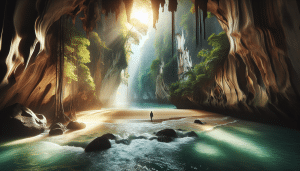
In a world where remote work, side projects, digital content creation, and creative industries are booming, many travelers aren’t just seeking rest and escape. They seek environments that inspire imagination, artistic output, and innovation. In 2025, there’s a noticeable rise in what we might term travel destinations that inspire creativity. Whether you’re a writer, designer, musician, or content creator, these places offer more than scenery — they offer creative fuel.
In this article, we’ll explore fresh trends (and under-the-radar destinations) that are becoming magnets for creative minds, along with tips and case studies. We’ll show how you can plan a trip not just to see, but to make.
We’ll mention the focus keyphrase “travel destinations that inspire creativity” at key points, and guide you to use it (and the concept) in your own planning or content.
Why creativity-centric travel is trending now
The shift from passive to participatory tourism
Traditional tourism often meant being a spectator: telling yourself “I saw this monument, I walked this path.” But in recent years, travelers increasingly demand immersive, participatory, and co-creative experiences. Immersive stays—where you actually learn, make, or contribute—are rising.
Creative retreats—where travelers engage in writing, ceramics, visual art, or other hands-on pursuits—are becoming one of the fastest-growing segments in boutique tourism.
Social media and the “visual fuel” economy
In the era of Instagram, TikTok, and visual storytelling, places that offer photogenic, art-layered settings naturally attract creators. But more than a backdrop, travelers now want stories attached to places: they want to walk into a narrative, capture hidden corners, photograph rituals, meet makers, and tell new stories out of what they experience.
This shift is backed by research: visual and narrative expectations in tourism and social media influence how people choose destinations.
AI, narratives, and “purposeful itinerary” design
An emerging frontier is narrative-driven travel planning. A recent study proposes using algorithmic and narrative frameworks to build “scripts” or story arcs through city travel—so visitors feel like characters in their own journey.
That means even cities become stages for creative journeys—not just points on the map.
Key patterns and trends in creative-inspired travel
Here are several macro trends defining travel destinations that inspire creativity right now.
1. Skills-based creative retreats and group “maker getaways”
Retreats focused on memoir writing, botanical ink, ceramics, or photography have exploded in popularity, especially among women traveling in groups.
Brands and organizers curate these retreats so that logistics are handled—flights, meals, studio time—so participants can focus entirely on creation.
These retreats shift travel expectation: less “see as much as possible,” more “stay, slow down, create.”
2. Destination branding through storytelling and creative economies
Some regions are intentionally branding themselves as creative hubs, leveraging local artisans, cultural traditions, and narrative assets. For example, UNESCO’s Creative Cities Network encourages cities to see culture and creativity as central to sustainable development.
That means when you travel, you’re stepping into a place that already positions creativity as a local identity—so your trip resonates more deeply with artistic travelers.
3. Set-jetting, film tourism, and pop-culture pilgrimage
The idea of traveling to the real-world locations behind films, series, books, or games—“set-jetting” or film-induced tourism—continues to grow.
These destinations become creative fuel: you walk where characters walked, see familiar visuals, and reinterpret them through your own lens.
4. Dark-sky, astro, and nightscape inspiration
Astrotourism—travel to places with dark skies for star-watching and celestial events—is gaining traction.
For creatives, nightscapes, milky way views, quiet darkness, and cosmic scale can be deeply inspiring for writing, photography, music, or reflective practice.
5. Regenerative agritourism and farm-based creative residencies
A rising trend blends wellness, sustainability, and creative residencies on working farms. Regenerative farming stays invite guests to engage with the land, food, seasons, and even creative workshops tied to agriculture.
These places meld craft, ecology, and place-based art (e.g. botanical dyes, farm-to-table dinners, natural materials).
Emerging travel destinations you should watch
Here are six places or regions becoming hotspots for creatives. Each offers unique potential for inspiration, learning, and narrative.
| Destination | What makes it creative-friendly | Suggested activities or themes |
|---|---|---|
| Basin & Range, Nevada (USA) | Under-visited desert landscapes, dark skies for stargazing, minimal light pollution | Landscape photography, astro workshops, solitude writing residencies |
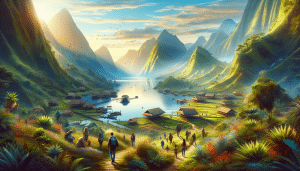
| Camino Real region, Colombia | Walks between villages, Andean cultural storytelling, indigenous crafts | Walking & writing retreats, community homestays, craft exchange |
| Rural Portugal & biodynamic farms | Regenerative farm stays tied with residencies and studio space | Botanical art, culinary-arts platform, farmcraft workshops |
| Isle of Skye / Scottish Highlands | Dramatic landscapes, legends & folklore, quiet isolation | Poetry residencies, visual storytelling, nature sketching |
| Kyoto’s rural wards (Japan) | Deep art tradition, gardens, seasonal rituals | Tea ceremony, ikebana, woodblock print courses, shrine walks |
| Northern Iceland / Westfjords | Remote fjords, auroras, dark nights | Soundscape recording, night photography, creative solitude residencies |
These places may not yet dominate in mainstream travel guides, but they offer space, depth, and resonance that many creative travelers seek.
How to plan a creativity-fueling trip (step-by-step)
If your goal is not just to get away but to create while you travel, here’s a roadmap to help:
1. Define your creative intention
Decide what kind of creativity you want to support (writing, visual art, sound, craft). That will guide your choice of location, workshop format, and schedule.
2. Choose your mode (retreat, residency, independent plan)
- Retreat / organized program: The most structured, great for community and ease.
- Residency / open studio: More flexibility; great if you already have a project in mind.
- Independent blend: Self-planned but with buffer time to discover local makers.
3. Look for local creative infrastructure
Before you go, check:
- Are there local artists, galleries, craft communities?
- Studio or maker spaces?
- Workshops in traditional crafts or arts?
- Local festivals, open studios, art walks?
If so, you can plug into existing creative ecosystems.
4. Build narrative or “scripted” structure
Use the principles of narrative-driven itinerary design:
- Define “acts” (opening, conflict, resolution) within your journey
- Plan transitions: how you go from place to place with thematic continuity
- Leave unscripted gaps for creative digression (sketch, journal, conversation)
This approach mirrors research in narrative-based itinerary planning.
5. Bring lightweight creative tools
Whether it’s a sketchbook, field recorder, portable easel, travel keyboard, or DSLR, bring what you can carry but nothing that bogs you down.
6. Integrate reflection time
Schedule quiet mornings or evenings for journaling, observation, and revision. The contrast between active exploration and contemplative pause can spark new ideas.
7. Document, share, and extend the creative experience
Capture images, interviews, or observations. Consider blogging or producing content (photo essays, short essays, sound pieces) as part of the travel journey itself.
Case highlights: successful creative-travel models
Aweventurer: curated creative retreats
Aweventurer hosts thematic retreats led by writers and influencers, where participants simply “show up and create.”
By offering prebuilt creative journeys, they remove friction and let travelers focus purely on the creative experience.
Château Charente (France) women’s creative retreat
This retreat in southwest France emphasizes approaches like painting en plein air, photography, or culinary arts during a six-night stay.
It blends the local region’s visual richness with structured creative facilitation.
Set-jetting: From fiction to creative catalyst
Visiting the real filming landscapes behind series or films enables creators to see how stories map onto place. That can reframe your own stories.
For instance, walking through a film’s location can help you think in scenes, imagine dialogues, or reinterpret settings.
Risks and caveats
- Over-curation can stifle spontaneity. If your itinerary is too tight, you lose freedom to wander and serendipity.
- Creative expectations vs. travel fatigue. Don’t push yourself to produce. The trip itself is part of the process.
- Overtourism and Instagram saturation. Popular “creative” spots may become selfie magnets, diluting the genuine creative space.
- Infrastructure constraints. Remote locations may lack WiFi, art supply shops, or comfortable lodging; plan support systems.
Example itineraries (mini)
A 7-day “Write & Wander” in rural Japan
- Arrival in Kyoto, settle in a ryokan
- Local calligraphy + haiku workshop
- Day trip to rural shrine paths & forest walks
- Stationed stay in countryside studio
- Tea garden sketching, night writing sessions
- Return to city: visit small galleries, open mics
- Reflection day & creative share with host
A 5-day “Astro & Sound” in Iceland
- Land in remote base (Westfjords), evening aurora watch
- Day hikes & field recordings
- Night photography / long-exposure sessions
- Sleep deprivation as method (thin twilight nights)
- Final compose: short sound piece + narration
Best practices to maximize creative yield
- Travel slowly between fewer sites
- Stay longer in fewer places
- Use local creative partners (artists, workshops)
- Balance sensory stimulation and silence
- Capture in multiple media (text, image, sound)
- Share progress (blog, journal, social) as part of the process
Conclusion
The idea of travel destinations that inspire creativity isn’t just a marketing trope—it’s a growing reality in 2025’s travel landscape. As more people seek travel that supports creative work, deeper storytelling, and meaningful production, destinations that can host makers, storytellers, and artists will stand out.
If you build your next trip with creative intention—narrative arcs, space for experimentation, connection to local makers—you’re more likely to come back not just with memories, but with art, ideas, or renewed creative momentum.
When you plan or write about such trips, weave in your focus keyphrase “travel destinations that inspire creativity” in titles, headers, and body to align with how your readers search and think.
If you like, I can suggest some ready-to-book creative retreats in Asia or in your region (Philippines / Southeast Asia) as examples. Would you prefer that?
References
- Condé Nast Traveller. (2024, August 14). How creative retreats became the new girls’ trip for women seeking authentic escapes. Available at: https://www.cntraveller.com (Accessed: 30 September 2025)
- Vogue. (2023, July 27). Agritourism is the new travel trend: Inside the rise of regenerative farm stays. Available at: https://www.vogue.com (Accessed: 30 September 2025)
- Wikipedia contributors. (2025, September 25). Available at: https://en.wikipedia.org (Accessed: 30 September 2025)

 Emerging Business Trends in Entrepreneurship