Travel Experiences That Combine Education and Adventure
Julian Novak September 24, 2025
Travel is no longer just about relaxation, sightseeing, or checking famous landmarks off a list. Increasingly, people want journeys that enrich their minds as much as they excite their senses. That’s where travel experiences that combine education and adventure come in—a growing trend redefining how we explore the world. From studying marine ecosystems while diving in Indonesia to learning about ancient civilizations on archaeological digs in Greece, today’s travelers are looking for more than just entertainment. They’re seeking meaning, growth, and a deeper understanding of the places they visit.
According to the Adventure Travel Trade Association’s 2023 Snapshot Trends Report, demand for educational elements in adventure travel has steadily grown, with Gen Z and Millennials leading the way. These groups often prioritize purpose-driven travel, where learning and exploration go hand in hand (Adventure Travel Trade Association, 2023).
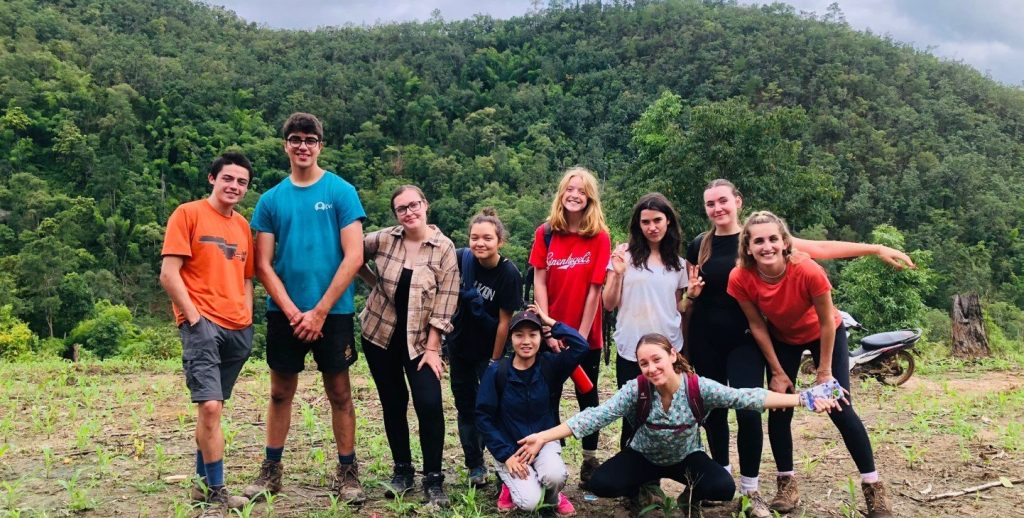
Why Travelers Want More Than Just Sightseeing
Several cultural and economic factors are fueling the surge in travel experiences that combine education and adventure:
- Purpose-driven lifestyles – A growing number of people want to align their leisure activities with personal growth goals. Travel is viewed not just as fun but as an investment in lifelong learning.
- Influence of younger generations – Gen Z and Millennials, in particular, value experiences over possessions. They’re more likely to choose a trip that gives them a story, a skill, or a lesson.
- Environmental and cultural awareness – With climate change and cultural preservation becoming global priorities, travelers are eager to contribute positively while learning from local communities.
- Integration of technology and learning – Digital platforms now allow travelers to mix formal online education with immersive, real-world adventures. For example, students can take a virtual course on marine biology before heading to the field for hands-on study.
- Hybrid work and study opportunities – The normalization of remote work and online schooling has opened doors for longer, more flexible trips that combine work, learning, and exploration.
A Harvard Business Review piece on meaningful experiences highlights that people increasingly seek activities that bring both joy and tangible skills (Kashdan, 2018). This explains why demand for trips that balance fun with intellectual engagement continues to rise.
What Educational Adventure Travel Looks Like
This category of travel is diverse and constantly expanding. Here are some of the most prominent types of travel experiences that combine education and adventure:
1. Science and Research Expeditions
Nonprofits such as Earthwatch and Biosphere Expeditions offer opportunities to participate in genuine fieldwork. Travelers might help track elephants in Kenya, collect climate data in the Arctic, or study coral bleaching in the Maldives. These trips often pair thrilling exploration with workshops led by scientists.
2. Language and Cultural Immersion
Instead of a traditional classroom, travelers learn languages while living within a community. For instance, Spanish immersion programs in Guatemala or Costa Rica combine daily lessons with homestays and cultural excursions. Participants not only practice vocabulary but also hike rainforests, visit historical sites, and volunteer with locals.
3. History-Infused Adventures
Walking tours are evolving into multi-day immersive experiences. A trek along the Inca Trail becomes a live history lesson about ancient Andean engineering. Exploring Turkey’s Cappadocia is paired with lectures on Silk Road trade routes. By combining context with exploration, these trips deepen understanding of world history.
4. Conservation-Focused Travel
Eco-travel is booming, and many programs now offer hands-on opportunities to protect fragile ecosystems. Travelers may engage in sea turtle conservation in Mexico, reforestation in Madagascar, or whale monitoring in Iceland. The adventure comes from direct involvement in fieldwork, often in remote and stunning natural settings.
5. Professional and Leadership Retreats
Businesses are also catching onto this trend. Corporate teams increasingly book educational adventure retreats that mix outdoor challenges with leadership workshops. Imagine learning problem-solving strategies during a mountain trek or practicing teamwork while navigating whitewater rapids.
6. Culinary and Agritourism Programs
Learning doesn’t always happen in labs or lecture halls—it can also happen in kitchens and farms. Culinary trips to Italy, Japan, or Thailand allow travelers to study local food traditions, cook with master chefs, and tour vineyards or rice fields, blending adventure with gastronomic education.
Why These Experiences Matter
So, what makes travel experiences that combine education and adventure so valuable? Beyond entertainment, they offer long-lasting personal and societal benefits:
- Cultural depth – Travelers engage directly with local traditions and perspectives, gaining insights unavailable through casual tourism.
- Skill development – From learning a new language to understanding conservation science, travelers leave with practical knowledge.
- Personal growth – Facing physical challenges in unfamiliar settings fosters resilience, adaptability, and confidence.
- Career impact – International and cross-cultural experience stands out on résumés and prepares individuals for global careers.
- Sustainability awareness – Many programs emphasize environmental protection and community involvement, inspiring more conscious travel habits.
National Geographic notes that participants in educational programs abroad report greater satisfaction and more meaningful memories compared to traditional tourists (Clatworthy, 2024). These experiences often change how people see the world long after the trip ends.
How to Plan an Educational Adventure
Interested in planning your own journey? Here’s a step-by-step guide:
- Clarify your goals – Do you want to advance your career, learn a new skill, or contribute to conservation? Define your purpose before choosing a trip.
- Research reputable organizations – Look for providers with established credibility, transparent partnerships, and positive reviews. Nonprofits and universities often offer structured programs.
- Check logistics and safety – Educational adventure travel often takes you off the beaten path. Ensure the program has strong safety protocols and knowledgeable guides.
- Consider sustainability – Opt for programs that minimize environmental impact and actively support local communities.
- Balance learning with exploration – The best programs leave time for both structured learning and free adventure.
- Budget carefully – Some programs are premium, but scholarships, fellowships, or volunteer-based models can reduce costs.
Top Destinations for Educational Adventure
Certain destinations are particularly well-suited for travel experiences that combine education and adventure:
- Iceland – Known for geology and climate education programs tied to glacier hikes and volcanic exploration.
- Costa Rica – A leader in eco-tourism, offering biodiversity studies, reforestation projects, and language immersion.
- Japan – Combines cultural immersion (tea ceremonies, calligraphy, martial arts) with historical exploration.
- Kenya – Home to wildlife conservation projects and safari-based research programs.
- Italy – Culinary and historical programs attract travelers eager to combine gastronomy with cultural study.
- Peru – Archaeological digs and historical treks bring ancient civilizations to life.
These destinations demonstrate how learning and adventure can blend seamlessly into one unforgettable trip.
The Role of Technology in Expanding Opportunities
Technology is amplifying this trend. Online platforms now allow:
- Pre-trip learning modules – Virtual courses prepare travelers for hands-on experiences.
- Digital journaling and VR – Travelers can document their learning and even use VR to extend their adventure.
- Hybrid education models – Some universities now integrate travel programs into degree requirements, offering credits for global fieldwork.
This integration makes educational adventure travel accessible to more people, including students, professionals, and lifelong learners.
The Future of Educational Adventure Travel
Looking ahead, the rise of travel experiences that combine education and adventure will likely accelerate. Three key developments are on the horizon:
- University and nonprofit partnerships – More formal collaborations will make it possible for students to earn academic credits while traveling.
- Growth of remote education and work – As hybrid lifestyles expand, longer educational travel programs will become more practical.
- Greater focus on sustainability – Educational programs will continue to emphasize conservation and local collaboration, aligning with global goals.
This reflects a larger societal trend: people want their journeys to leave a mark—not only on themselves but also on the world.
Conclusion
The evolution of travel into something educational and adventurous shows how global tourism is transforming. Today’s travelers aren’t satisfied with surface-level sightseeing; they want opportunities that challenge them intellectually, physically, and emotionally. From contributing to conservation in Africa to learning languages in Latin America or studying history in Europe, travel experiences that combine education and adventure provide more than memories—they create lasting knowledge and impact.
As this trend grows, it’s clear that the future of travel is not only about where we go, but also about what we learn along the way. not only their travels but also their perspectives on life.
References
- Clatworthy, B. (2024, June 8). The student gap year is evolving — and travel with purpose is more popular than ever. National Geographic. Available at: https://www.nationalgeographic.com (Accessed: 24 September 2025)
- Kashdan, T. B. (2018, January 26). The mental benefits of vacationing somewhere new. Harvard Business Review. Available at: https://hbr.org (Accessed: 24 September 2025)
- Adventure Travel Trade Association. (2023). Snapshot Trends 2023 Report. Available at: https://cdn-research.adventuretravel.biz (Accessed: 24 September 2025)

 Secrets Behind Smart Home Devices You Wish You Knew