Unlocking Benefits of Plant-Based Diets
Camila Duarte October 23, 2025
Curious how a plant-based diet transforms wellness? This detailed guide explores the real-life health benefits, nutritional essentials, common myths, and expert considerations—helping readers discover the science-backed advantages and practical ways to transition toward plant-powered living.
Understanding the Essence of Plant-Based Eating
Plant-based diets emphasize whole foods derived primarily from plants—fruits, vegetables, legumes, whole grains, nuts, and seeds make up the majority of meals. While some individuals interpret plant-based as strictly vegan, many simply focus on reducing animal products, not eliminating them completely. This flexible approach allows for gradual change while prioritizing nutrition. Swapping processed foods for minimally processed plant sources is strongly associated with positive health outcomes.
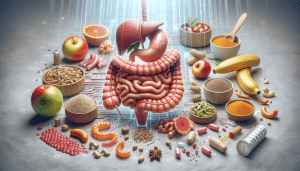
One reason plant-based diets attract attention is their link to strong health markers. Research indicates those who follow such eating patterns typically consume more dietary fiber, antioxidants, and micronutrients like magnesium and potassium. These compounds are essential for maintaining digestive wellness and supporting the body’s immune defense. Although everyone’s experience varies, many individuals report improved energy levels and fewer digestive issues after making the shift.
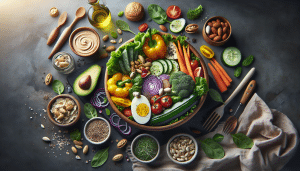
Contrary to certain misconceptions, a plant-based lifestyle is not just about restricting foods—it’s about abundance. Plant-powered dishes can be both vibrant and satisfying. Nutrition experts note that this way of eating promotes mindful food choices and a closer connection to food sources. Transitioning also fosters culinary creativity, encouraging individuals to try new recipes and adapt traditional favorites with plant-forward twists.
Science-Backed Health Benefits Explained
Numerous studies support the role of plant-based diets in heart health. Diets rich in vegetables, fruits, and legumes are associated with lower cholesterol and reduced blood pressure. The Dietary Approaches to Stop Hypertension (DASH) and Mediterranean diets, both of which are plant-centric, demonstrate significant benefits in preventing and managing cardiovascular conditions (Source: https://www.ncbi.nlm.nih.gov/pmc/articles/PMC5466935/).
Weight management is another area where plant-based diets shine. Foods from plant sources are often lower in calories but higher in fiber, helping individuals feel fuller for longer. Research from the Academy of Nutrition and Dietetics suggests these eating habits can support healthy weight loss, especially when combined with regular physical activity and lifestyle changes (Source: https://www.eatright.org/food/nutrition/vegetarian-and-special-diets/plant-based-diets-a-nutritionists-guide).
The benefits extend to reducing the risk of developing type 2 diabetes and some forms of cancer. Studies indicate that higher intakes of whole grains and vegetables reduce inflammation and support metabolic health (Source: https://www.cancer.gov/about-cancer/causes-prevention/risk/diet/vegetarian-diets-fact-sheet). Plant-based diets provide an array of protective phytonutrients that contribute to these effects.
Nutritional Essentials and Planning Tips
Adopting a plant-based lifestyle involves a basic understanding of nutritional needs. Protein is a cornerstone, and while animal products are commonly known sources, plants offer plenty of options like lentils, chickpeas, quinoa, tofu, and tempeh. Eating a variety of these ensures the intake of essential amino acids needed for tissue repair and immune function.
Other nutrients to pay attention to include vitamin B12, iron, calcium, and omega-3 fatty acids. Vitamin B12, typically absent in plant foods, can be obtained from fortified products or supplements if necessary. Iron from plant sources, known as non-heme iron, is less readily absorbed by the body, but pairing it with vitamin C-rich foods like oranges or bell peppers can boost absorption (Source: https://www.hsph.harvard.edu/nutritionsource/what-should-you-eat/protein/).
Calcium and omega-3s also deserve attention. Leafy greens, tofu, almonds, and fortified non-dairy milks are great for calcium. Flaxseeds, chia seeds, and walnuts provide vital ALA omega-3s. Learning to build balanced meals helps maximize energy, support muscle function, and maintain healthy bones during the transition to a plant-based routine.
Debunking Common Myths about Plant-Based Diets
A common misconception is that plant-based diets automatically lack protein. In reality, with mindful planning and a variety of whole food choices, it’s straightforward to meet or exceed protein requirements using beans, lentils, nuts, grains, and seeds (Source: https://www.nhs.uk/live-well/eat-well/food-types/vegetarian-and-vegan-diets-nutrition/). Addressing these myths helps people approach this eating style with confidence.
Another myth suggests that switching to plant-based meals will automatically lead to weight loss. While many whole plant foods are lower in calories, processed vegan foods can still be high in sugar, fat, or sodium. Whole foods are central for optimal results, so reading labels and focusing on minimally processed ingredients is wise.
Finally, the idea that plant-based diets are expensive or require fancy ingredients is outdated. Many staples—such as beans, brown rice, potatoes, seasonal veggies, and oats—are affordable and widely available. Budget-friendly meal planning helps individuals explore new flavors while keeping expenses reasonable and nutrition high (Source: https://www.eatforhealth.gov.au/food-essentials/vegetarian-and-vegan-diets).
Transitioning to a Plant-Based Lifestyle: Practical Steps
Gradual changes often lead to lasting results. Many people begin by designating certain days as plant-focused or trying new recipes once a week. Swapping out animal products for plant-based alternatives in favorite dishes can help with adjustment and build confidence.
Support is crucial during this transition. Joining online communities, accessing credible resources, or seeking advice from registered dietitians can provide invaluable guidance. There are many apps and cookbooks dedicated to plant-based eating that help with meal planning and food prep, making the process more approachable for everyone.
Experimenting with different cuisines—think Mediterranean, Southeast Asian, or Latin American—opens doors to flavorful plant-centric meals. Variety prevents boredom and exposes the body to diverse nutrients. Every small shift, from incorporating more leafy greens to exploring unique legumes, contributes positively to overall well-being.
Potential Considerations and Expert Guidance
While plant-based eating offers numerous advantages, some individuals may face unique considerations due to allergies, underlying medical conditions, or lifestyle factors. Consulting with a qualified health professional or registered dietitian ensures the diet supports individual needs during every life stage (Source: https://www.eatright.org/food/nutrition/vegetarian-and-special-diets/vegan-diet-how-to-get-the-nutrients-you-need).
Pregnant individuals, growing children, or those with higher energy demands may need more carefully planned meals. Regular health check-ins and, if needed, supplementation make plant-based diets safe and sustainable for most people. Awareness and education are key to maintaining balance and enjoying the benefits.
In the end, transitioning toward a plant-based lifestyle is a personal journey. There is no universal template, and flexibility enables lasting habits. Listening to the body, practicing mindful eating, and embracing evidence-based recommendations help ensure wellness goals are met with clarity and confidence.
References
1. Satija, A., & Hu, F. B. (2018). Plant-based diets and cardiovascular health. Current Atherosclerosis Reports, 20(9), 39. Retrieved from https://www.ncbi.nlm.nih.gov/pmc/articles/PMC5466935/
2. Academy of Nutrition and Dietetics. (n.d.). Plant-Based Diets: A Nutritionist’s Guide. Retrieved from https://www.eatright.org/food/nutrition/vegetarian-and-special-diets/plant-based-diets-a-nutritionists-guide
3. National Cancer Institute. (n.d.). Vegetarian Diets and Cancer Prevention. Retrieved from https://www.cancer.gov/about-cancer/causes-prevention/risk/diet/vegetarian-diets-fact-sheet
4. Harvard T.H. Chan School of Public Health. (n.d.). Protein. Retrieved from https://www.hsph.harvard.edu/nutritionsource/what-should-you-eat/protein/
5. NHS. (n.d.). Vegetarian and vegan diets – nutrition. Retrieved from https://www.nhs.uk/live-well/eat-well/food-types/vegetarian-and-vegan-diets-nutrition/
6. Australian Government Department of Health. (n.d.). Eat For Health: Vegetarian and Vegan Diets. Retrieved from https://www.eatforhealth.gov.au/food-essentials/vegetarian-and-vegan-diets

 AI Tools You Could Use to Boost Everyday Life