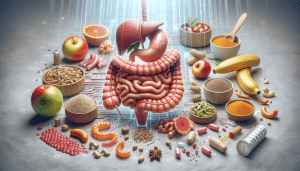
Unlocking Gut Health Secrets You Might Overlook
Camila Duarte October 21, 2025
Explore the world of gut health and discover how the digestive system impacts mood, immunity, and energy. This guide reveals practical steps and proven science on optimizing gut flora, dietary choices, probiotic strategies, and how everyday habits shape total wellness.
Understanding Your Gut Microbiome and Its Impact
The gut microbiome is a complex community of trillions of microorganisms living in the digestive tract. These tiny residents, composed of bacteria, fungi, and viruses, play a crucial role in breaking down food, regulating the immune response, and even producing essential vitamins. When balanced, the gut microbiome supports digestive harmony and helps protect against harmful pathogens. However, shifts in this balance can trigger bloating, irregular bowel habits, or even immune dysfunction—all connected with your day-to-day comfort and long-term health. Research indicates that fostering a diverse gut flora is key to lowering the risk of inflammatory diseases and supporting wellness throughout life (https://www.nih.gov/news-events/nih-research-matters/humans-gut-bacteria).
Gut health isn’t just about digestion. The intestinal lining acts as a gateway, meticulously controlling what enters the bloodstream. When compromised, this barrier lets out harmful substances that may cause systemic inflammation. Many professionals emphasize that a resilient gut barrier minimizes food sensitivities and reduces lifelong health risks. The gut-brain axis—the direct communication line between the digestive system and the brain—can influence mood, memory, and stress resilience. Recent studies suggest positive microbial changes can lead to mental clarity, better sleep, and fewer mood swings, cementing the gut’s role beyond digestion.
Genetics and lifestyle both shape the microbiome’s diversity. While some populations naturally harbor more resilient gut flora, diet, antibiotics, stress, and even urban living can cause dramatic changes. For example, processed foods high in sugar and low in fiber are known to reduce microbial diversity. On the other hand, eating whole grains, fermented foods, or prebiotic fibers can spark the return of beneficial strains. This makes gut-friendly habits accessible and relevant for nearly everyone aiming to support their digestive health daily.
Dietary Choices That Nourish Gut Health
What’s on the plate can tip the scales toward robust gut health or chronic discomfort. Fiber-rich foods such as beans, lentils, broccoli, and oats serve as natural fuel for beneficial bacteria. When these fibers reach the colon, microbes ferment them, producing short-chain fatty acids that help maintain a strong gut lining. Studies show individuals who consistently consume diverse fiber sources report fewer stomach issues and more regular bowel habits. This simple dietary tweak is an easy way to supercharge the microbiome every day (https://www.hsph.harvard.edu/nutritionsource/microbiome/).
Fermented foods like yogurt, kefir, sauerkraut, and kimchi are rich in live probiotics—friendly bacteria that encourage growth of native gut flora. Including these foods regularly can help rebalance gut communities after illness or antibiotic use. It’s essential to select products that specify “live and active cultures” and pay attention to sugar content, as added sugars can sometimes negate the benefits. For non-dairy options, miso, tempeh, and kombucha also offer valuable strains, making gut-friendly choices easy to fit into multiple dietary preferences.
Just as certain foods support gut function, others can hinder it. Diets high in artificial sweeteners, emulsifiers, or processed carbohydrates may decrease healthy bacteria and allow troublesome ones to multiply. While occasional indulgence won’t destroy gut flora, research suggests that daily reliance on ultra-processed foods can contribute to inflammation and unwanted shifts in the microbiome’s structure. Learning to identify and moderate these foods is a straightforward way to protect digestive balance. Explore options like homemade snacks, natural sweeteners, or whole-food substitutes as easy swaps for everyday eating.
The Role of Probiotics and Prebiotics in Wellness
Probiotics are live microorganisms that confer health benefits when consumed in adequate amounts. They’re often associated with improved digestion and enhanced immune resilience. Clinical reviews confirm that selecting strains such as Lactobacillus acidophilus or Bifidobacterium bifidum can help with occasional constipation, diarrhea, or bloating. Some research even suggests probiotics may shorten the duration of viral infections and fortify the gut barrier during stress (https://www.nccih.nih.gov/health/probiotics-what-you-need-to-know).
Prebiotics are non-digestible fibers that act as fuel for health-promoting bacteria. They are found in foods like garlic, onions, leeks, asparagus, and bananas. Consuming prebiotic-rich foods regularly can support greater microbial diversity and help maintain optimal digestion. Some clinical trials have even linked prebiotic intake with reduced markers of inflammation and greater production of beneficial fatty acids, pointing to long-term wellness for both the gut and the whole body.
Choosing between probiotic supplements and naturally occurring sources can seem daunting. Experts note that food-based sources are more easily digested and pose minimal risk of side effects for most individuals. However, for those recovering from illness or taking antibiotics, targeted supplements may offer quicker microbial support. It’s important to look for products with transparent strain information and check expiration dates to ensure potency. Integrating both prebiotics and probiotics into the routine creates a synergetic environment for the healthiest possible gut.
Gut Health, Immunity, and Whole-Body Benefits
A thriving gut is a powerful ally to the immune system. Nearly 70 percent of all immune cells live in the gut, working alongside microbes to distinguish between harmful invaders and normal nutrients. As research has evolved, scientists have linked strong microbiomes with reduced seasonal illnesses, milder allergy symptoms, and speedier recovery from infections (https://www.hopkinsmedicine.org/health/wellness-and-prevention/the-gut-microbiome-and-your-health).
Gut health influences more than just physical defenses—it can shape emotional well-being. Through the gut-brain axis, chemical messages sent by microbes can trigger mood changes, help with relaxation, or even reduce anxiety. Some studies show that certain bacteria strains increase neurotransmitters like serotonin, which play a role in feeling content and positive. This connection sheds light on why healthy digestion often coincides with clearer thinking and better moods.
An imbalanced microbiome is increasingly being linked with the risk of chronic conditions such as diabetes, obesity, cardiovascular problems, and autoimmune issues. While the science is still unfolding, evidence indicates that a balanced microbial population may help regulate blood sugar, control inflammation, and manage cholesterol. This positions gut health at the foundation of preventive wellness. Learning and practicing daily support for these microscopic partners can yield rewards through all stages of life.
Everyday Habits That Help or Harm Your Gut
Establishing gut-friendly routines can be simple. Hydration is vital, as water keeps things moving and prevents constipation, allowing microbes to thrive. Regular exercise, even walking daily, encourages a healthy balance within the microbiome. Mindful eating—slowing down and chewing food properly—gives digestive enzymes the needed head start. These foundational habits have significant, cumulative impacts on gut comfort and function, helping to create a resilient system over time (https://www.cdc.gov/healthyschools/nutrition/facts.htm).
On the other hand, some everyday factors can disrupt microbial balance. Frequent use of antibiotics—while sometimes medically necessary—can deplete beneficial bacteria, allowing harmful strains to flourish. Stress is another major influencer. Chronic stress increases gut permeability and can alter the composition of microbial populations. Identifying ways to relax, such as meditation, yoga, or connecting with nature, is just as crucial for gut health as diet and exercise.
Sleep also plays a role. Disrupted or inconsistent sleep patterns may negatively affect gut flora, which in turn can worsen both sleep quality and digestive function. Committing to a routine sleep schedule and creating a restful environment will help optimize gut rhythm. By paying attention to these small but meaningful details, you can support not just the microbiome but the body’s entire balance day after day.
When to Seek Professional Advice About Gut Issues
Most digestive discomfort resolves with diet and lifestyle adjustments, but persistent issues deserve proper evaluation. Symptoms like ongoing abdominal pain, unexplained weight loss, frequent diarrhea, or chronic constipation may point to conditions requiring medical attention, such as irritable bowel syndrome, inflammatory bowel disease, or food intolerances. Early consultation can help prevent complications and identify actionable solutions (https://medlineplus.gov/digestivesystem.html).
Physicians may recommend diagnostic tests such as breath analysis, blood work, or imaging to understand the underlying causes of ongoing symptoms. These evaluations help determine whether imbalances are linked to infections, autoimmune reactions, or other metabolic conditions. With the help of trained professionals, you can receive tailored advice including dietary modifications, medication, or more focused interventions if needed.
Collaborating with a dietitian or gut health specialist is especially helpful for those with complex needs, such as celiac disease, Crohn’s disease, or food allergies. Personalized strategies draw on the latest research to reduce flare-ups and restore comfort. Even for general wellness, expert guidance enables a confident approach to integrating new foods and supplements, ensuring safety at every step of the journey.
References
1. National Institutes of Health. (n.d.). Humans’ Gut Bacteria. Retrieved from https://www.nih.gov/news-events/nih-research-matters/humans-gut-bacteria
2. Harvard T.H. Chan School of Public Health. (n.d.). The Microbiome. Retrieved from https://www.hsph.harvard.edu/nutritionsource/microbiome/
3. National Center for Complementary and Integrative Health. (n.d.). Probiotics: What You Need to Know. Retrieved from https://www.nccih.nih.gov/health/probiotics-what-you-need-to-know
4. Johns Hopkins Medicine. (n.d.). The Gut Microbiome and Your Health. Retrieved from https://www.hopkinsmedicine.org/health/wellness-and-prevention/the-gut-microbiome-and-your-health
5. Centers for Disease Control and Prevention. (n.d.). Nutrition Facts. Retrieved from https://www.cdc.gov/healthyschools/nutrition/facts.htm
6. MedlinePlus. (n.d.). Digestive System. Retrieved from https://medlineplus.gov/digestivesystem.html

 Hybrid Classrooms You Might Want to Explore