Unlocking the Science of Gut Health for You
Camila Duarte October 31, 2025
Curious why gut health has gained so much attention? Understanding the gut’s crucial role in digestion, immunity, and mental wellness can lead to healthier choices. This detailed article explores the science behind maintaining a balanced microbiome and provides a practical guide for navigating today’s wellness trends.
The Gut Microbiome: More Than Digestion
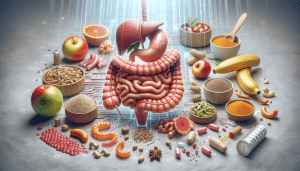
The gut microbiome encompasses trillions of bacteria, viruses, fungi, and other microbes residing primarily in your intestines. Their dynamic community acts almost like an internal ecosystem, influencing not only how food is digested but also how nutrients are absorbed. Increased interest in gut health has led researchers to describe it as a ‘second brain’, capable of impacting everything from metabolism to mood. When the gut microbiome is well-balanced, individuals may notice better digestion, more regular bowel habits, and even greater energy levels—signs of a healthy foundation.
Many people don’t realize that the gut’s ecosystem plays a pivotal role in defending the body against pathogens. Certain beneficial bacteria produce substances that help crowd out harmful invaders. This protective mechanism is just one example of how gut health connects to overall immunity. Studies have shown that changes in lifestyle—such as diet, stress management, and exercise—can significantly influence microbial diversity, potentially reducing susceptibility to illness and inflammation (see: https://www.cdc.gov/healthygut).
But the gut does even more. It produces neurotransmitters like serotonin, highlighting the gut-brain connection. Researchers have found links between gut imbalance and increased risk of anxiety or depressive symptoms. Supporting gut health through diverse, nutrient-rich foods may create positive ripple effects throughout the entire body, far beyond the digestive tract. This alone is fueling a new wave of wellness exploration.
What Happens When the Gut Microbiome Is Out of Balance?
Disruption in the balance of beneficial and harmful microbes can result in what scientists call dysbiosis. Signs linked with dysbiosis may include bloating, irregular bowel movements, food intolerances, and low energy. Some individuals may develop skin issues such as eczema, or experience frequent colds, suggesting that gut health is influencing the immune response (see: https://nih.gov/news-events/news-releases/importance-gut-microbiota-health).
Dysbiosis doesn’t arise out of nowhere. Processed foods, low fiber diets, antibiotic overuse, and chronic stress all play a role in shifting the microbiome ecosystem off balance. Research supports that when the gut’s protective barrier becomes permeable, sometimes called ‘leaky gut,’ it can allow toxins or bacteria to pass into the bloodstream. This may then trigger widespread inflammation. Such conditions underscore why a healthy gut is so central to prevention, not just symptom management.
Thankfully, the gut is resilient. Addressing the underlying causes of dysbiosis—such as adjusting diet to include more whole, prebiotic-rich foods and examining patterns of stress—can help restore harmony. Recognizing early warning signs enables individuals to make gradual, sustainable changes for lasting improvement, rather than quick fixes that might not address root problems.
Everyday Habits That Support a Healthy Gut
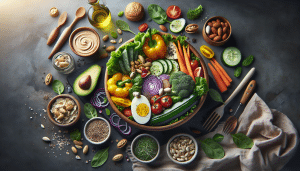
Supporting gut health doesn’t require extreme measures. Simple steps like increasing dietary fiber, emphasizing plant-based foods, and staying hydrated have powerful effects. Fiber fuels good bacteria, allowing them to thrive. Foods like oats, apples, beans, and leafy greens are standout options for gently nourishing the microbiome. Prioritizing variety in the diet exposes the gut to multiple kinds of beneficial microbes, fostering resilience and adaptability over time.
In addition to food choices, lifestyle habits strongly influence gut health. Chronic stress has been linked to shifts in gut bacteria, potentially increasing the risk of digestive upsets. Incorporating stress management techniques—such as meditation, walking outdoors, or creative hobbies—can support both mental and gastrointestinal well-being. Regular physical activity also encourages healthy gut function through better motility and improved microbial diversity (https://www.hsph.harvard.edu/nutritionsource/gut-microbiome).
Antibiotics sometimes save lives, but frequent or unnecessary use may inadvertently eliminate good bacteria. Experts recommend taking such medications only as prescribed and considering probiotic or fermented foods (like yogurt, kefir, or sauerkraut) during and after antibiotic use to help replenish the microbiome. Sleep also plays a quiet but powerful role in gut repair and immune function, making it another habit worth prioritizing.
Spotlight on Probiotics and Prebiotics
Probiotics are live microorganisms, often called ‘good bacteria’, found in certain foods and supplements. They help restore or enhance the natural balance in your gut, especially after disruptions like illness or medication. Meanwhile, prebiotics are dietary fibers that serve as food for beneficial bacteria, encouraging their growth and activity. Together, these nutrients form a dynamic team that supports robust gut health over time.
Choosing the right probiotic or prebiotic varies based on individual needs and health goals. Not all supplements are regulated equally, so examining reputable resources and consulting healthcare professionals is advised for those considering specific strains. Natural food sources are widely available: bananas, onions, and asparagus are rich in prebiotics, while fermented food staples like kimchi, miso, and live-culture yogurt provide probiotics (see: https://www.mayoclinic.org/probiotics).
Research suggests that consistent, moderate inclusion of diverse pre- and probiotic foods in the diet can enhance not only digestion but mood, immunity, and skin health as well. Rather than focusing on a single ‘superfood,’ a holistic perspective—considering a mosaic of gut-friendly choices—tends to yield the most durable results. For many, this turns gut care into a nourishing ritual rather than a passing fad.
The Gut-Brain Connection and Mental Wellness
One of the most groundbreaking discoveries in wellness science centers around the gut-brain axis, a communication network linking the digestive tract and the nervous system. Scientists have identified that up to 90% of serotonin, a neurotransmitter associated with feelings of happiness, is produced in the gut. When gut health is supported, mental wellness often follows, illustrating the intricate ties between physical and emotional states (https://www.hopkinsmedicine.org/health/wellness-and-prevention/the-brain-gut-connection).
Dysbiosis or inflammation in the gut can disrupt signals sent to the brain, which may contribute to issues such as anxiety, stress, or poor focus. Recent studies are exploring how targeted dietary changes—like the inclusion of omega-3-rich foods and antioxidants—could potentially reduce mental health risk by supporting a balanced microbiome. So, nurturing the gut means nurturing peace of mind.
Evidence also highlights that fermented foods and prebiotic-rich meals may play a helpful role in lowering perceived stress. While food and lifestyle are not a substitute for mental health care, they form a powerful partnership that can complement professional support. The relationship between gut and brain continues to be a vibrant area of research, promising informed wellness choices in the years ahead.
Seeing the Signs—When to Seek Advice
Although many individuals can support gut health through simple, daily actions, certain persistent signs warrant professional input. Ongoing digestive discomfort, sudden changes in weight or appetite, or unexplained fatigue may be indicators of deeper imbalances. Working with a healthcare provider can provide necessary testing and reassurance, while preventing self-diagnosis or reliance on unproven remedies (see: https://gastro.org/practice-guidance).
For individuals with conditions like irritable bowel syndrome (IBS), celiac disease, or autoimmune disorders, personalized advice ensures that treatments and dietary changes are effective, safe, and evidence-based. Genetic factors and age can also influence the gut’s needs and its response to interventions. Reliable information and professional support are key to lasting gut and overall health, particularly when navigating more complex symptoms.
Staying proactive is often as simple as tracking symptoms, keeping a food diary, and noting changes in mood or energy. Recognizing patterns is the starting point for timely conversations with experts. This empowers people to make informed decisions, blending scientifically backed habits with attentive care for their unique body needs.
References
1. Centers for Disease Control and Prevention. (n.d.). Healthy Gut. Retrieved from https://www.cdc.gov/healthygut
2. National Institutes of Health. (n.d.). Importance of Gut Microbiota for Health. Retrieved from https://nih.gov/news-events/news-releases/importance-gut-microbiota-health
3. Harvard T.H. Chan School of Public Health. (n.d.). The Gut Microbiome. Retrieved from https://www.hsph.harvard.edu/nutritionsource/gut-microbiome
4. Mayo Clinic. (n.d.). Probiotics: What is it? Should you take them? Retrieved from https://www.mayoclinic.org/probiotics
5. Johns Hopkins Medicine. (n.d.). The Brain-Gut Connection. Retrieved from https://www.hopkinsmedicine.org/health/wellness-and-prevention/the-brain-gut-connection
6. American Gastroenterological Association. (n.d.). Clinical Practice Guidance. Retrieved from https://gastro.org/practice-guidance

 Can You Really Travel on a Tiny Budget