How Architecture Influences Urban Lifestyle and Wellness
Leila Andersson September 17, 2025
Architecture is not just about designing buildings; it’s about shaping the way we live and experience the world around us. Urban spaces shape not only the visual aesthetics of a city but also the lifestyle and wellness of its inhabitants. From the design of public parks and communal spaces to the integration of sustainable, health-conscious building practices, architecture plays a key role in defining the overall well-being of urban dwellers. This article explores the connection between architecture, urban lifestyle, and wellness, highlighting emerging trends and the future of wellness-focused design in urban planning.
The Relationship Between Architecture and Urban Lifestyle
The built environment shapes urban lifestyle in many significant ways. The spaces in which we live, work, and play have a profound effect on how we interact with each other and the world around us. For example, modern cities with a lack of green spaces can feel oppressive, leading to higher levels of stress, anxiety, and a general decline in mental health. On the other hand, cities that prioritize the design of open spaces, natural elements, and ease of movement create environments that foster social interaction, physical activity, and a sense of tranquility.
In recent years, wellness architecture has emerged as a growing trend, with architects and urban planners focusing on creating environments that support both physical and mental health. This trend involves the integration of nature, sustainable materials, and spaces that encourage healthy habits. For instance, buildings designed with large windows that let in natural light not only reduce energy consumption but also enhance mood and productivity. The connection between the spaces we inhabit and our overall health is undeniable, and architecture is increasingly being seen as a key component of urban wellness.
Emerging Trends in Wellness-Centered Architecture
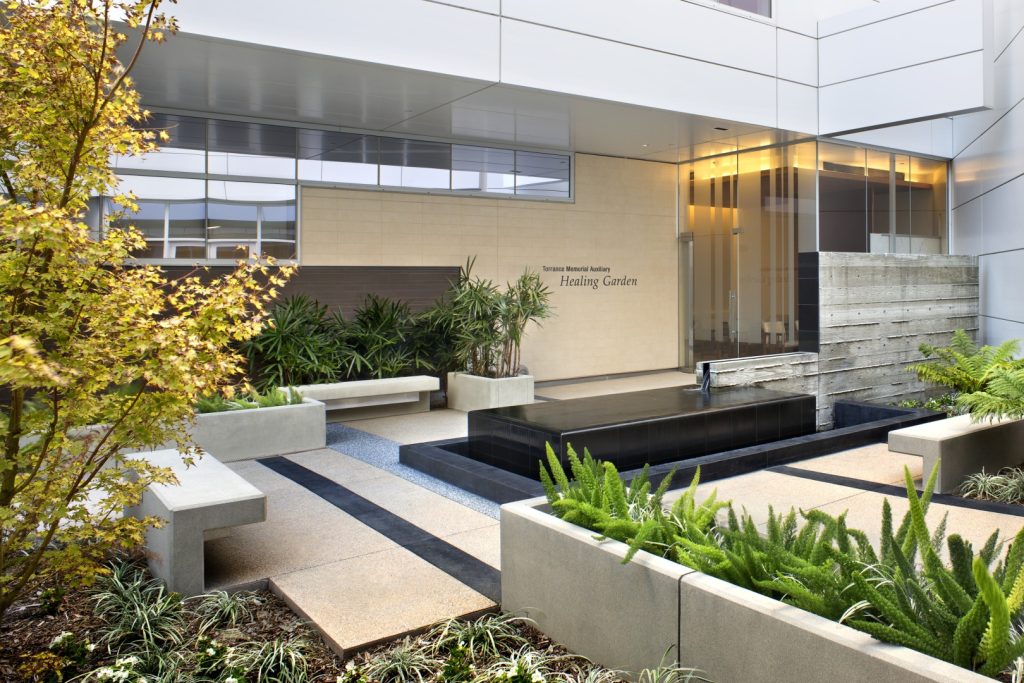
A significant shift has occurred in recent years where architects are incorporating health and wellness principles directly into their designs. This trend includes a focus on biophilic design, which involves incorporating natural elements such as plants, water features, and natural light into urban spaces. The goal is to create environments that mimic nature, which has been shown to reduce stress and enhance well-being. In fact, research has demonstrated that biophilic design can lower blood pressure, reduce heart rates, and improve cognitive function, all of which contribute to better overall health.
Another important trend is the rise of green buildings and sustainable architecture. These structures not only reduce their environmental footprint but also prioritize the health of their occupants. For instance, buildings with green roofs, natural ventilation, and energy-efficient designs promote clean air, reduce noise pollution, and improve thermal comfort. These features, often found in wellness-centered urban developments, help to create healthier living environments and combat the challenges posed by urbanization, such as air pollution and heat island effects.
Furthermore, urban planning is increasingly focused on wellness, with a growing emphasis on creating walkable cities that prioritize pedestrians over vehicles. Designing urban spaces that encourage walking, cycling, and outdoor activity not only improves physical health but also enhances social interactions and community connections. Neighborhoods with easy access to parks, recreational areas, and public transportation contribute to a higher quality of life by providing residents with opportunities for exercise, relaxation, and social engagement.
The Role of Smart Architecture in Urban Wellness
As technology continues to advance, smart architecture is becoming a key component in the design of wellness-focused urban spaces. Smart buildings and homes are equipped with technology that enhances both the convenience and well-being of their inhabitants. These technologies can monitor air quality, adjust lighting to support circadian rhythms, and control heating and cooling systems to optimize comfort and energy efficiency.
For example, smart homes with air filtration systems ensure that the air quality remains optimal, which is particularly beneficial in urban areas where pollution can be a significant issue. Similarly, smart lighting systems that adjust according to natural light levels or the time of day not only reduce energy consumption but also help regulate sleep patterns, which are vital for mental and physical health. The integration of these technologies into urban architecture can make cities more comfortable, sustainable, and health-conscious.
Additionally, the growing trend of incorporating health and fitness centers into urban developments has gained traction. Many modern apartment complexes and office buildings now feature gyms, wellness centers, and outdoor spaces that encourage physical activity and mindfulness. These spaces are designed to support the health and wellness of residents and employees, making it easier for individuals to incorporate exercise and relaxation into their daily routines.
Social Interaction and the Impact of Community Spaces
Architecture also plays a vital role in fostering social interaction and building a sense of community. Public spaces such as parks, plazas, and community centers are crucial in urban design, as they provide a place for people to gather, engage, and build social connections. In many modern urban developments, designers are prioritizing communal spaces that are inviting and accessible, allowing for interaction among diverse groups of people.
The importance of shared spaces cannot be overstated. Research has shown that neighborhoods with well-designed public areas that encourage social interaction experience stronger social cohesion and improved mental health outcomes. For instance, parks that are easily accessible to all residents not only offer a space for physical activity but also provide opportunities for social engagement, reducing feelings of isolation and fostering a sense of belonging.
As cities continue to grow and become more densely populated, the design of these spaces becomes increasingly important. Effective urban planning that incorporates accessible, well-maintained communal spaces can significantly improve the quality of life in cities, providing residents with a sense of ownership and pride in their surroundings.
Challenges and Opportunities in Wellness Architecture
Despite the clear benefits of wellness architecture, implementing these designs can be challenging. The cost of building sustainable, health-centered structures can be higher than traditional construction methods, which can be a barrier for developers and city planners. Additionally, urban areas with limited space or high population density may struggle to incorporate the expansive green spaces and communal areas that are often central to wellness-focused designs.
However, the increasing awareness of the health benefits of these designs has led to growing demand for wellness-centered architecture. As cities continue to recognize the connection between the built environment and the well-being of their inhabitants, more resources are being allocated to create spaces that prioritize health and sustainability. The future of urban architecture looks promising, with opportunities to create cities that are not only livable but also promote the health and happiness of those who live within them.
Conclusion
Architecture is a powerful tool that can shape the urban lifestyle and influence the wellness of its inhabitants. As cities continue to evolve, it is clear that the integration of wellness-focused design principles is essential for creating spaces that support the mental, physical, and emotional health of their residents. By prioritizing sustainable practices, green spaces, and smart technologies, urban planners and architects can build cities that foster healthier, more vibrant communities. The future of urban architecture lies in its ability to adapt to the needs of its inhabitants, creating environments that promote well-being for all.
References
- Brown, G. (2020). Biophilic design: A blueprint for healthier buildings. Environmental Design & Construction. Available at: https://www.edcmag.com (Accessed: 17 September 2025)
- Smith, A. (2021). The future of wellness architecture: How design impacts health and wellness in cities. Journal of Urban Planning, 34(2), 56-68. Available at: https://www.journalofurbanplanning.com (Accessed: 17 September 2025)
- Lee, M., & Johnson, R. (2022). Smart architecture and its role in urban health and wellness. Journal of Modern Architecture, 45(3), 112-123. Available at: https://www.journalofmodernarchitecture.com (Accessed: 17 September 2025)

 Family Travel Activities That Promote Learning and Fun