Wellness Practices That Support Mental and Physical Health
Camila Duarte September 30, 2025
In recent years, wellness practices that support mental and physical health have shifted from niche habits to mainstream priorities. What was once considered alternative—such as meditation, breathwork, and functional fitness—is now being widely adopted as people look for sustainable ways to improve overall well-being. This shift is fueled by growing awareness of how interconnected the body and mind truly are, and by the surge of digital tools and communities that make wellness more accessible than ever. From wearable devices that track recovery to hybrid fitness practices combining mental and physical training, the latest trends show that health is no longer about just diet or exercise, but a whole-person approach.
Why Holistic Wellness Is Trending Now
Several factors have converged to push holistic health practices into the spotlight:
- Post-pandemic lifestyle shifts – More people prioritize stress management, immunity, and long-term resilience.
- Digital health technology – Wearables, apps, and AI-driven platforms now provide data-driven insights into sleep, heart rate variability, and mindfulness.
- Work-life balance demands – Remote and hybrid work has highlighted the importance of movement, mental breaks, and ergonomics.
- Preventive health care – Rising healthcare costs are motivating individuals to invest in self-care practices that reduce long-term risk.
This focus on integrated routines is backed by research showing that mental health and physical health are deeply connected. A 2023 study from the American Psychological Association highlights how chronic stress affects cardiovascular health and immune function, reinforcing the need for balanced wellness practices.
Emerging Wellness Practices That Support Mental and Physical Health
1. Mindful Movement Practices
Mindful movement—like yoga, tai chi, and Pilates—is growing in popularity because it offers both physical conditioning and mental clarity. Unlike high-intensity workouts alone, mindful movement focuses on breath, alignment, and awareness, which can reduce cortisol levels and improve flexibility.
- Why it works: It lowers stress, builds strength, and enhances mobility.
- Trend update: Virtual yoga and AI-driven posture correction tools are making mindful movement accessible at home.
2. Cold Exposure and Heat Therapy
Contrast therapy, which involves alternating between cold plunges and saunas, is quickly becoming a mainstream wellness trend. Popularized on social media platforms, these practices are praised for their ability to boost recovery, improve circulation, and reduce anxiety.
- Cold immersion benefits: May reduce inflammation, increase alertness, and enhance mental resilience.
- Heat therapy benefits: Improves blood flow, reduces muscle tension, and may support heart health.
A growing body of research, including studies published in Frontiers in Physiology, suggests that deliberate cold exposure can improve mood and energy regulation.
3. Breathwork for Stress Regulation
Breathwork practices, such as box breathing or alternate nostril breathing, are now widely used not just in yoga classes but also in corporate wellness programs and athletic training.
- Benefits: Improves oxygen efficiency, lowers heart rate, and supports emotional regulation.
- Trend update: Apps now guide users through daily breathing exercises, with biometric feedback for personalization.
4. Functional Fitness and Movement Snacks
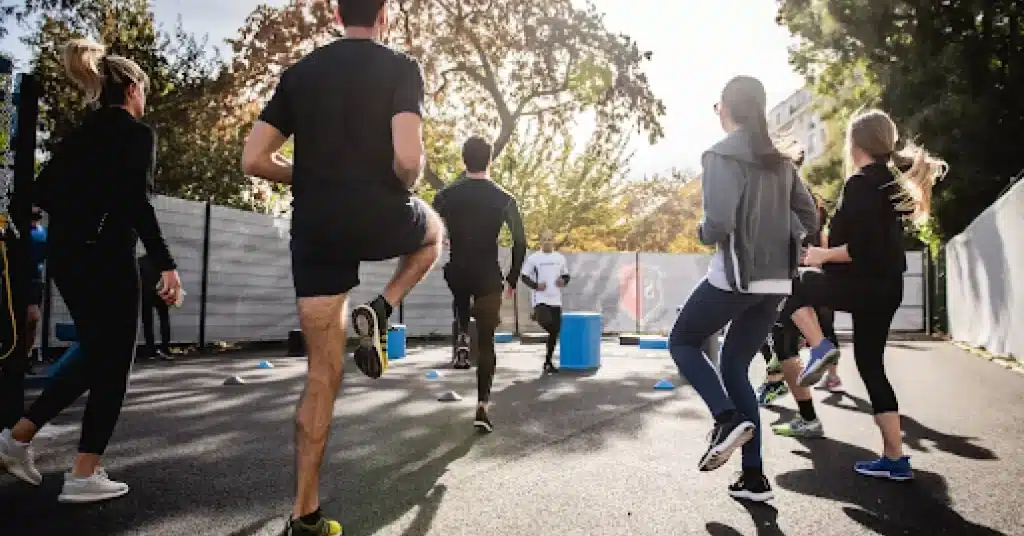
Instead of focusing solely on gym-based training, people are shifting toward functional fitness—exercises that mimic real-life movements and support mobility, balance, and strength.
- Micro-trend: Movement snacks – Short bursts of activity throughout the day, like squats or stretches, are becoming popular for desk workers.
- Why it matters: Helps combat the effects of prolonged sitting while improving physical resilience.
5. Digital Wellness Tools
Technology is playing a major role in how individuals manage their well-being.
- Wearables: Smartwatches now track stress levels, sleep quality, and readiness for activity.
- AI-driven apps: Provide personalized mindfulness practices, nutrition guidance, and even mental health check-ins.
- Community-based platforms: Social apps connect users with accountability groups for meditation, fitness, or nutrition challenges.
These tools empower individuals to take an active role in monitoring and improving their health.
How to Incorporate Wellness Practices Into Daily Life
Start Small
Adopting multiple new practices at once can feel overwhelming. Begin with one or two changes that align with your lifestyle. For example:
- Add a 5-minute breathing session before work.
- Try one “movement snack” between meetings.
Build Consistency
Consistency matters more than intensity. Even small, regular habits provide measurable health benefits over time.
Use Data Wisely
Track progress with wearables or apps, but avoid becoming overly dependent on numbers. The goal is balance, not obsession.
Integrate Mind and Body Practices
Pair physical exercise with mindfulness habits. For example, combine a morning jog with a 5-minute meditation session. This reinforces the connection between body and mind.
The Science Behind Integrated Wellness
Researchers continue to uncover evidence showing how mental and physical health practices reinforce each other:
- Exercise and mood: According to the Harvard T.H. Chan School of Public Health, regular physical activity reduces the risk of depression by 26%.
- Mindfulness and immunity: A review in JAMA Internal Medicine found that mindfulness meditation is linked to improved immune function and reduced inflammation.
- Sleep and resilience: Studies confirm that quality sleep, often supported by mindfulness and movement practices, directly affects stress tolerance and physical recovery.
These findings underscore why wellness practices that support mental and physical health are not just trends, but long-term strategies for healthier living.
Practical Guide: Building Your Personal Wellness Routine
- Choose your core practices – Select 2–3 from the emerging trends that resonate with you (e.g., breathwork, functional fitness, sauna).
- Schedule it – Consistency improves outcomes. Add wellness sessions to your calendar like any other appointment.
- Balance active and restorative habits – Mix movement with recovery. Example: strength training plus meditation.
- Track but don’t obsess – Use wearable insights as a guide, not a rule.
- Adapt and evolve – Your wellness routine should grow with your needs, work schedule, and health goals.
Conclusion
The rise of holistic wellness reflects a cultural shift toward treating mental and physical health as interconnected. Practices like mindful movement, cold exposure, breathwork, and functional fitness are no longer just trends but evidence-based approaches that improve resilience, mood, and long-term health outcomes. With technology making these practices more accessible and research confirming their value, it’s clear that wellness practices that support mental and physical health will continue shaping how individuals care for themselves.
By starting small, building consistent habits, and blending both active and restorative routines, anyone can create a personalized approach that supports long-term well-being in today’s fast-paced world.
References
- American Psychological Association. (2023, October 18). Stress effects on the body. American Psychological Association. Available at: https://www.apa.org (Accessed: 30 September 2025)
- Harvard T.H. Chan School of Public Health. (n.d.). Exercise and depression. Harvard University. Available at:https://www.hsph.harvard.edu (Accessed: 30 September 2025)
- Goyal, M., Singh, S., Sibinga, E. M. S., Gould, N. F., Rowland-Seymour, A., Sharma, R., … & Haythornthwaite, J. A. (2014). Meditation programs for psychological stress and well-being: A systematic review and meta-analysis. JAMA Internal Medicine, Available at:https://jamanetwork.com (Accessed: 30 September 2025)

 Travel Planning Tips That Encourage Adventure