What You Never Knew About Minimalist Living
Leila Andersson September 25, 2025
Minimalist living has become a global trend, changing how people design spaces, manage money, and find daily joy. This guide dives into practical tips, decluttering secrets, design inspiration, and unexpected advantages that can reshape your everyday lifestyle for the better—all through the lens of simplicity and intention.
The Allure of Minimalist Living
Minimalism in lifestyle means more than just owning fewer things—it is a thoughtful approach to how one engages with their environment and daily choices. Many are drawn to minimalist living because it offers a sense of freedom from clutter and unnecessary distractions. This lifestyle encourages reflection on what truly adds value, whether in your living room or your weekly routine. By learning how minimalist living can influence not just your home but also your habits, individuals often discover new levels of clarity and satisfaction.
Adopting a minimalist approach doesn’t mean giving up the things you love. Instead, it means identifying what really matters and creating spaces or routines that champion those priorities. Many culture experts believe that intentionality is at the core of this movement. By mindfully choosing possessions, meal plans, and design elements, it’s possible to create a setting that feels both cozy and efficient. Minimalism is not about deprivation; it is about optimizing comfort and function.
People often make the switch to a minimalist lifestyle after experiencing the relief of decluttering even a single drawer. It snowballs quickly—suddenly, you question which commitments deserve space on your weekly calendar, and which kitchen gadgets you truly use. This mindset leads many to better time management and increased well-being. Even those in bustling cities are embracing minimalist apartment design for the positive emotional and practical impact it delivers.
Decluttering Secrets That Actually Work
Decluttering forms the heart of minimalism, but it’s not just about tossing things away. It’s a process where one evaluates emotional attachment and real-world utility. Home organization experts often recommend starting small—perhaps with a desk, closet, or a single category like books. Sorting items into piles (keep, donate, recycle) makes decisions more manageable and less overwhelming. This systematic approach not only frees up physical space but can reveal patterns in shopping and keeping habits.
There are proven techniques to tackle even the most daunting spaces. The ‘one in, one out’ rule is a favorite among minimalist communities: for every new possession brought home, another item must go. This maintains balance and discourages unnecessary accumulation. Digital decluttering—sorting emails, photos, and apps—plays an equally important part in simplifying mental space. These mini-habits can snowball into lifelong changes that support minimalist living.
Some experts encourage a decluttering checklist or schedule to break tasks into bite-sized goals. Others find success by focusing on the emotional freedom that follows a well-edited home. As clutter lifts, many experience less decision fatigue and increased productivity. The benefits often spill into other areas: finances become clearer as impulse buys decrease, and entertainment is enjoyed in a more mindful, present way at home.
Designing Minimalist Spaces for Everyday Joy
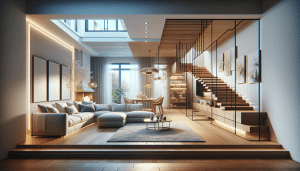
The impact of minimalist design is immediate—spaces often feel larger, brighter, and more peaceful. Good minimalist design balances aesthetics and practicality. Using neutral color palettes and natural materials like wood or stone, homeowners can create calming environments that feel sophisticated yet functional. Open storage, multi-use furniture, and clean lines are staples in these spaces, supporting both beauty and efficiency.
Experts note that minimalist interiors prioritize sunlight, fresh air, and clear sightlines. Instead of filling shelves and counters, display only what is frequently used or what sparks happiness. Living rooms benefit from low-profile sofas, area rugs in simple textures, and quality-over-quantity art pieces on the walls. Bedrooms can be transformed with serene colors, layered lighting, and only the necessary furnishings for rest and relaxation.
Even in small apartments, creative minimalist solutions shine. Floating shelves, built-in storage, and folding desks help maximize flexibility and functionality without sacrificing style. Plants bring a touch of life and fresh air without adding clutter. Good design encourages movement and comfort—essential for both mental and physical well-being. A minimalist home becomes a supportive foundation, reflecting each person’s unique version of simplicity.
Minimalism and Mindful Consumption
Minimalist living reshapes spending habits. Instead of chasing trends, people focus on long-term value and quality. This can lead to significant financial wellness benefits, such as fewer impulse purchases and more thoughtful investments. Minimalism prompts individuals to be deliberate with resources, whether in buying clothing, planning grocery trips, or choosing entertainment options—resulting in less waste and more satisfaction.
One area where mindful consumption is visible is in sustainable living. Many followers of minimalist lifestyles opt for eco-friendly alternatives and reusable goods. Swapping single-use plastics for glass or steel, supporting local businesses, and prioritizing durability over quantity are key components. These habits not only help individual budgets but also reduce environmental footprints, encouraging a bigger-picture view that benefits communities and the planet.
Mindful consumption goes beyond shopping. Minimalist meal planning, for example, can reduce food waste while promoting healthier eating. Many find joy in preparing simple, seasonal dishes—often drawing on local produce and basic, versatile ingredients. These habits foster a respectful relationship with food, money, and time, helping individuals step back from overwhelm and find real enjoyment in daily routines.
Hidden Benefits: Minimalism for Mental Wellness
The psychological effects of minimalist living are powerful. Studies suggest that cluttered and overstimulating environments can contribute to anxiety and decreased focus. Minimalism creates visual and mental calm by reducing unnecessary noise and objects. This calming atmosphere can support better sleep, more productive workspaces, and improved mood throughout the day. Individuals often describe a renewed sense of motivation and lightness after adopting minimalist practices.
The process of simplifying can reveal emotional triggers—why certain items or obligations are hard to let go of. Working through this process develops resilience and self-awareness. Many report that as their physical environments become less cluttered, their thoughts follow suit. This mental clarity supports mindfulness, helping people respond with intention rather than reacting impulsively to everyday stressors.
Social connections grow stronger within minimalist lifestyles. With less focus on things, people often devote more time to relationships and personal development. Shared meals, game nights, or outdoor gatherings become central, turning homes into hubs of authentic experience rather than displays of consumption. Minimalist living often sparks a ripple of positive change—in minds, bodies, relationships, and routines alike.
Getting Started With Minimalism
Moving toward minimalist living doesn’t require drastic measures. Most people find success by starting small. Choose a single room or category and approach it with curiosity, not judgment. Reflect on what genuinely adds value, both functionally and emotionally. This reflection is the first step to creating change that lasts. Many also recommend journaling or vision-boarding to clarify goals, serving as motivation when decluttering feels challenging.
Find community inspiration through books, podcasts, or online groups dedicated to minimalist lifestyles. Experts and enthusiasts often share proven strategies, real-life scenarios, and motivating success stories. Learning from different sources fosters adaptability—minimalism looks different for everyone, and that’s part of its power. Staying connected with others on the same path can boost accountability and spark new ideas for everyday improvement.
Finally, give yourself time. Minimalism is an ongoing journey, not a destination. Celebrate each small victory, and notice how each decluttered space brings a little more calm. Over time, routines become smoother, spaces more enjoyable, and priorities clearer. The ongoing practice of questioning, editing, and reshaping naturally builds a custom-fit lifestyle—one centered around freedom, intention, and daily joy.
References
1. The Minimalists. (n.d.). 16 Rules for Living with Less. Retrieved from https://www.theminimalists.com/rules/
2. National Institutes of Health. (n.d.). The Effects of Clutter on Mental Health. Retrieved from https://www.ncbi.nlm.nih.gov/pmc/articles/PMC5579396/
3. American Psychological Association. (2022). Stress and the Environment. Retrieved from https://www.apa.org/news/press/releases/stress/2014/stress-environment-survey.pdf
4. Harvard T.H. Chan School of Public Health. (n.d.). Mindful Eating. Retrieved from https://www.hsph.harvard.edu/nutritionsource/mindful-eating/
5. Mayo Clinic. (n.d.). Tips to Declutter and Reduce Anxiety. Retrieved from https://www.mayoclinic.org/healthy-lifestyle/adult-health/expert-answers/declutter/faq-20057993
6. EPA. (n.d.). Sustainable Management of Materials. Retrieved from https://www.epa.gov/smm

 Unlocking Small Business Funding Opportunities