Why Minimalist Home Design Inspires Unexpected Joy
Leila Andersson September 26, 2025
Minimalist home design is capturing attention for its calming, clutter-free approach and elegant simplicity. This article guides you through why so many are drawn to minimalism, how it can transform your living space, and practical ways to incorporate sustainable, stylish touches into daily life.
Unlocking the Appeal of Minimalist Living
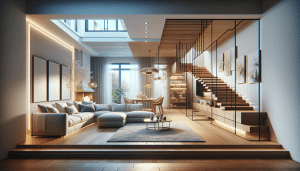
Minimalist home design is more than a fleeting trend; it reflects a way of living that values calm, space, and meaningful choices. At its heart, minimalism brings focus to what matters by removing excess and nurturing tranquility. Many report an immediate sense of relief and inspiration when they walk into a space free from clutter. The design is characterized by crisp lines, neutral palettes, and thoughtful placement of essential pieces, all key features that have made minimalist home interiors desirable for those seeking balance and visual serenity. As more individuals discover its benefits, interest in minimalist home decor and organization continues to rise rapidly, enriching daily routines with a fresh perspective.
There’s growing fascination with the psychological rewards minimalist interiors offer. Studies suggest a decluttered and intentional space can reduce stress and improve focus, making it easier to unwind and feel energized. Subtle details, such as the way natural light interacts with simple furnishings or the harmony created by negative space, give each room a purposeful, curated atmosphere. Online communities devoted to minimalist living often share how reimagining a living room or kitchen can spark motivation to maintain cleaner, healthier home environments. Even smaller apartments can feel expansive when decorated thoughtfully, providing a sense of abundance without excess.
What draws people most to minimalist home design is its versatility and timelessness. Whether you live in a city loft or a suburban house, the concepts can be adapted to any setting. Decluttering is one of the easiest ways to begin—by prioritizing functionality and style, and letting go of items that serve no real value. Those who adopt minimalist decor often notice they spend less time cleaning and more energy enjoying life. The minimalist movement, fueled by both social media and major design publications, gently encourages curiosity about how less can truly be more in every home.
Creating a Minimalist Space: The Essentials
Turning your home into a minimalist haven doesn’t require a complete overhaul or expensive renovation. Instead, the journey often starts with intentional decluttering and organization. Experts recommend beginning in just one room, systematically evaluating every object for its utility and joy it provides. Carefully chosen storage solutions can play a big part in sustaining a tidy environment, while open shelves and multi-functional furniture help achieve streamlined living without sacrificing comfort. As people discover the freedom that minimalist homes allow, many embrace the motto ‘less but better’ for both aesthetics and peace of mind.
Color palettes set the tone for minimalist interiors. While white walls and neutral shades like gray, beige, or soft earth tones are popular, an accent color can inject personality without overwhelming the senses. Symmetry and geometric lines encourage flow throughout living rooms, bedrooms, and even bathrooms, making each area intuitive to navigate. Wellness advocates suggest incorporating greenery and natural textures—such as wood, linen, or stone—for warmth and vitality. Proper lighting, from sunlit windows or carefully placed lamps, enhances openness while making spaces feel inviting and safe. This approach, called biophilic design, merges minimalism with nature-inspired elements for extra wellness benefits.
Decluttering is only part of the equation. Minimalism also invites intentional decor that celebrates personal taste and sustainable living. Rather than filling shelves with random items, minimalist homes feature just a handful of meaningful objects—perhaps a striking art print, a vase with fresh flowers, or a handcrafted lamp. The deliberate curation encourages people to surround themselves only with items that bring satisfaction or serve a clear function. Interest in minimalist furniture and eco-friendly materials is also growing, as homeowners look for ways to make responsible choices that align with both style and environmental values.
Sustainable Minimalism and Eco-Conscious Choices
Sustainability and minimalist design go hand in hand. Minimalism encourages mindful consumption—selecting lasting pieces over fast-decor trends. This philosophy is appealing for its positive impact on both personal wellbeing and the environment. Choosing furnishings crafted from renewable materials, like bamboo or responsibly sourced wood, supports biodiversity and reduces environmental footprints. Energy-saving lighting and natural ventilation are often featured in minimalist homes, providing comfort while conserving resources. Many individuals find that living with less enhances their appreciation for what remains, fostering a deeper connection to their living space and the world beyond.
The move towards sustainable minimalism has led to a wave of innovation in the interior design industry. Furniture companies now offer modular sofas, recycled fabrics, and upcycled decor options that blend seamlessly with modern minimalist aesthetics. In kitchen and bathroom spaces, low-flow fixtures and toxin-free cleaners make everyday routines more planet-friendly. Blogs and magazines frequently profile people who transformed their homes into zero-waste or plastic-free environments, often starting with the core principles of minimalist living: reduce, reuse, and respect. This approach not only promotes eco-friendly habits, but it can also spark creativity as people discover new uses for existing items.
For many, sustainability isn’t simply about materials—it’s a lifestyle. Minimalist design values quality over quantity, advocating investment in well-crafted, multipurpose furnishings that last years rather than months. Learning to purchase with intention, choose timeless styles, and participate in community swaps or local resale events can all reinforce the harmony between simplicity and sustainability. Research has highlighted how eco-conscious minimalism can reduce both stress and spending, providing alternative pathways to joy that don’t involve constant consumption. More people are discovering that true satisfaction often lies in mindful living rather than the accumulation of things.
Wellness and Minimalist Home Design
Simplicity at home can have real benefits for physical and mental wellness. Living in a well-organized, aesthetically pleasing space relieves cognitive overload, helping people concentrate on what truly matters. A minimalist bedroom filled with fresh air, natural fibers, and limited distractions can improve sleep hygiene and relaxation. Many wellness experts recommend minimizing screens, harsh lighting, and electronic clutter, since these contribute to better focus and deeper rest. Creating distinct zones for work, relaxation, and creativity also helps establish boundaries that support a healthier, more productive lifestyle.
Minimalist living spaces can be adapted for all family members, promoting calm and comfort for children, adults, and seniors alike. For households balancing remote work, online learning, or creative hobbies, multi-use furniture and designated storage are key. Functional design is particularly helpful for those with sensory sensitivities or limited mobility, as clear walkways and simple layouts minimize risk and confusion. Research published by wellness organizations indicates that cluttered environments may contribute to increased anxiety, while minimalist spaces bolster feelings of control, satisfaction, and overall wellbeing. As such, minimalism can be a valuable ally in everyday wellness routines.
A minimalist approach is not about imposing strict rules, but rather about crafting a supportive environment. Flexibility is important, as personal needs and tastes may evolve over time. Minimalist homes can easily be refreshed with new textiles or art, reflecting seasonal changes or shifting moods. Adding sensory elements like candles, soft rugs, or a meditation corner can further enhance peace. This makes minimalist home design an ongoing practice—one that encourages mindfulness and celebrates the link between environment and emotional health. Readers interested in wellness are increasingly drawn to this adaptable and nurturing form of design.
Incorporating Art and Personal Touches
Minimalism doesn’t require sacrificing creativity or individuality. On the contrary, a pared-down backdrop makes art and personal moments stand out even more. Homeowners choose a few favorite photographs, abstract paintings, or sculptural pieces to display, letting each one command attention. Rather than overloading walls and surfaces, minimalist interiors emphasize negative space, allowing every piece to ‘breathe’ and contribute to a sense of harmony. As a result, homes become galleries of self-expression where each item has a purpose.
Curating meaningful collections—whether travel souvenirs, books, or hand-thrown ceramics—helps bridge the gap between style and sentiment. Many people rotate their favorite items seasonally or according to mood, ensuring their homes feel fresh and inspiring. The minimalist mindset encourages individuals to examine which possessions bring real joy, while letting go of the rest. Some consult with interior stylists or draw inspiration from online resources, such as design-focused social feeds, to find fresh ways of expressing their personal story while sticking to a cohesive aesthetic.
There’s also a growing movement towards supporting local artists and craftspeople as part of minimalist decor. Purchasing unique, handcrafted items brings a sense of connection and enriches spaces with narrative and depth. Even a single piece—a painting, a woven throw, or an artisan pot—can set the tone for an entire room. Many report finding happiness in curating rather than collecting, making the home a tranquil canvas for self-discovery. By bringing intentionality to display choices, minimalist design allows personal touches to inspire daily joy.
Tips for Maintaining Minimalist Habits Long Term
Minimalism is a lifestyle, not just a one-time project. People who adopt minimalist design often need strategies for sustaining their progress. Regular decluttering sessions—monthly or even quarterly—can help households reassess what’s essential and rehome items that no longer fit. Setting up ‘one in, one out’ rules makes it easier to prevent clutter build-up. Some create checklists for home upkeep or schedule ‘reset’ days, turning maintenance into a positive ritual rather than a chore. These routines foster a sense of control and calm that extends well beyond aesthetics.
Digital organization is another aspect gaining attention. As the line between work and home blurs, managing digital clutter has become a new pillar of minimalist living. This might involve regular cleaning of email inboxes, archiving unused files, or minimizing digital subscriptions. Experts in digital wellness recommend creating tech-free zones to encourage real-world presence. Combining digital decluttering with physical tidying can reinforce habits that stick. The goal is not perfection, but consistency—building a home environment that supports priorities and lifestyle goals over time.
Many who practice minimalism also cultivate gratitude for what they have, rather than chasing perfection. Mindfulness and reflection—perhaps through journaling or simply pausing to enjoy a quiet moment—help anchor minimalist intentions. Groups, online forums, or local workshops can offer extra support and fresh ideas for those on the journey. Over months and years, these practices evolve into a unique rhythm, allowing minimalist values to adapt to family needs, new interests, or changing seasons. The process is ongoing, and with every adjustment, minimalist living promises new joy and inspiration.
References
1. Peters, S. (n.d.). How Minimalism Can Transform Your Life and Home. Retrieved from https://psychologytoday.com/us/blog/design-in-mind/202008/how-minimalism-can-transform-your-life-and-home
2. National Association of Productivity & Organizing Professionals. (n.d.). Decluttering and Organizing: The Benefits. Retrieved from https://www.napo.net/page/benefits-of-decluttering
3. American Society of Interior Designers. (n.d.). Sustainable Design Trends. Retrieved from https://www.asid.org/resources/glossary/sustainable-design
4. Environmental Protection Agency. (n.d.). Indoor Air Quality. Retrieved from https://www.epa.gov/indoor-air-quality-iaq/healthy-home-design
5. Centers for Disease Control and Prevention. (n.d.). Healthy Homes. Retrieved from https://www.cdc.gov/healthyhomes/bytopic/organization.html
6. Lee, J., & Park, S. (2021). Association Between Clutter and Psychological Well-Being. International Journal of Environmental Research and Public Health, 18(3), 1039. Retrieved from https://www.mdpi.com/1660-4601/18/3/1039

 Travel Destinations That Promote Exploration