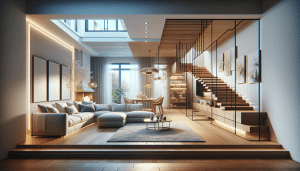
Why You Never Get Bored With Minimalist Home Decor
Leila Andersson September 28, 2025
Minimalist home decor continues to captivate because it offers an uncluttered, calming space where relaxation and creativity flourish. Explore how well-chosen materials, light, and intentional design choices can elevate any living environment, turning simplicity into a style statement you’ll love.
Discovering the Essence of Minimalist Home Decor
The minimalist home decor trend has become a favorite for those seeking simplicity and focus in their everyday surroundings. At its core, minimalism emphasizes the use of essential elements, uncluttered spaces, and purposeful design. This approach transforms living spaces into welcoming areas that naturally promote well-being and calm. Instead of filling every corner with decorations or furnishings, minimalism relies on quality over quantity. Each object earns its place in the room. White walls, open layouts, and thoughtful lighting highlight only what matters most. Every detail is chosen with intent, reducing visual noise and helping create environments where the mind can rest.
Many find that minimalist design also supports clarity and focus in daily routines. Spaces with fewer distractions allow for easier cleaning and improved productivity. Whether embracing minimalist style in a large home or a cozy apartment, the principles remain consistent: keep only what brings value and joy. The emotional benefits are real—a tidy, intentional room often results in a sense of order and peace. Families, professionals, and creative minds are drawn to minimalism as a strategy for making both their personal and shared spaces more functional and beautiful. It is not simply a look—it’s a lifestyle that influences habits and choices.
Minimalist home decor can complement nearly any personality. Some gravitate towards natural woods and neutral palettes, while others opt for bold architectural features or a single statement artwork. It’s not about stripping the soul from a space. Rather, minimalism asks you to engage more deeply with the things you truly love. Choosing each piece thoughtfully brings freedom: you spend less time managing clutter and more time enjoying your home. Through restraint and curation, minimalist design demonstrates that less really can be more, especially when every element has a meaning or purpose.
The Role of Color, Light, and Material in Minimalist Spaces
Color, light, and material selection define the understated elegance of minimalist decor. Designers frequently rely on light shades, such as whites, beiges, and subtle grays, which visually expand rooms and reflect natural light. Bright, open spaces invite calmness. Even in smaller areas, carefully positioned mirrors and uninterrupted surfaces create a sense of airiness. Natural light is a prized feature in minimalist homes, often enhanced by sheer curtains, unobstructed windows, or skylights that diffuse sunshine throughout the space. It’s a setting that caters to relaxation and recharging after busy days.
Choosing the right materials is essential in preserving minimalism’s warm and inviting qualities while preventing rooms from feeling sterile. Organic textures—think wood, linen, wool, and stone—add tactile interest and visual softness, grounding open layouts with earthy appeal. Including plants or simple ceramics introduces life and movement without visual clutter. Quality craftsmanship and subtle finishes, like hand-thrown pottery or finely-grained timber, become the subtle centerpieces. Minimalism isn’t just about what you take away, but the thoughtful, sustainable selections you add in. Each material contributes not only to aesthetics but also to overall comfort and health indoors.
Lighting in minimalist interiors serves both function and ambiance. Instead of ornate fixtures, think recessed lighting, streamlined pendants or floor lamps with clean profiles. Layering different light sources adds depth, highlighting architectural features, favorite bookshelves, or focal walls. Homeowners often combine warm, indirect light for rooms where soft relaxation is desired and focused beams where reading or hobbies happen. The combined effect is soothing yet practical—a signature of minimalism. The interplay of materials and lighting fosters a balanced, harmonious environment that adapts easily to different moods and activities throughout the day.
Organization Secrets for Effortless Minimalist Living
Minimalist home organization is both an art and a science. Efficient storage solutions help maintain clutter-free surfaces, allowing beauty to shine without distraction. Built-in shelves, hidden cabinets, and multi-purpose furniture transform even small spaces. These features support intentional living, making homes easier to navigate and maintain. Decluttering is not just about getting rid of things; it is about choosing what deserves a permanent spot. Keeping flat surfaces clear and limiting visible items to a select few ensures rooms feel open and breathable while remaining functional.
Minimalist homes benefit from routines that support ongoing organization. Regularly evaluating which possessions truly enhance life keeps unnecessary items from piling up. Instead of storing things just in case, homeowners actively curate items they use and value. For sentimental objects, minimalist design suggests displaying only a handful—perhaps in a special niche or on a floating shelf. This elevates memories without overwhelming the room. Daily habits, such as resetting shared spaces at the end of the day or designating homes for frequently used items, can reinforce a sense of tranquility and control over one’s environment.
Minimalism extends beyond objects to include digital life and time management. Many who embrace minimalist decor find themselves applying similar strategies to digital clutter: organizing files, unsubscribing from unnecessary emails, and scheduling deliberate downtime. This holistic view encourages sustainable, mindful choices that carry through every aspect of living. By keeping both spaces and schedules streamlined, individuals often discover increased energy and focus for the activities they cherish. Organization isn’t about perfection—it’s about making room for what matters most, in beautiful, peaceful surroundings.
Adding Personal Touches and Sustaining Minimalism Over Time
Personalization brings soul to minimalist decor, ensuring that a home feels inviting rather than barren. Even the simplest space can tell your story through carefully chosen objects: a favorite reading chair, a handwoven blanket, or a framed landscape from your travels. These touches add warmth, color, and emotional resonance, creating a living environment that feels both grounding and expressive. Personal artifacts gain more attention and appreciation when placed in uncluttered contexts, making each memory that much more significant.
Sustaining minimalist commitment over time often means adapting decor and possessions as life evolves. As needs change, so too does the arrangement of furniture or the function of different areas in the home. Seasonal refreshes, such as updating pillow covers or rotating artwork, keep spaces feeling new without the need for constant purchases. Eco-friendly design practices—like upcycling, choosing long-lasting materials, and supporting local artisans—align seamlessly with minimalism’s values. This flexibility allows minimalist style to remain relevant and comforting through shifting stages of life.
Minimalism welcomes experimentation and creativity, encouraging regular reflection on what’s truly important. Some homeowners adopt minimalism gradually, letting go of a few objects at a time, while others complete dramatic overhauls. The beauty of this design philosophy lies in its adaptability: there are no rigid rules. Shared spaces, children’s rooms, or even compact kitchens can all benefit from minimalist principles, each one uniquely expressing its inhabitants’ tastes and routines. Through continuous adjustment, creativity, and a little patience, minimalist living offers lasting satisfaction.
Minimalist Decor Benefits for Well-Being and Sustainability
Simplicity in home decor goes hand in hand with improved mental well-being. Studies suggest that cluttered environments can heighten stress and reduce focus, while carefully curated, minimalist spaces promote relaxation and joy (https://www.apa.org/monitor/2019/06/cleanliness-stress). By embracing minimalism, many people notice better sleep, easier maintenance, and more time for meaningful pursuits. Living in a space that feels intentional and serene lowers anxiety, helping individuals recover from the overload of modern life.
The environmental impact of minimalist home decor also cannot be overlooked. Buying with purpose and investing in well-crafted, long-lasting items reduces waste and supports a more responsible lifestyle. Sustainable minimalism encourages mindful consumption and the repurposing of materials whenever possible. This philosophy often inspires better energy use, recycling, and support for businesses with ethical production practices. As a result, decorating choices feel not only satisfying but also aligned with values that care for both people and planet.
Minimalist living offers more than visual appeal. Those drawn to its principles frequently report greater contentment, enhanced relationships, and improved daily routines. When the home environment is streamlined and harmonious, it becomes easier to pursue passions, connect with family, or simply enjoy a moment of quiet. Minimalist homes are living proof that thoughtful design can uplift both the individual and the broader community—even through the smallest of changes.
Expert Tips to Begin Your Minimalist Home Transformation
Getting started with minimalist decor doesn’t require a total redesign. Begin by removing duplicate or rarely used items from highly visible areas. Focus on rooms that feel overwhelming or hard to keep tidy. Once a foundation of order is established, evaluate what brings genuine satisfaction day to day. Even shifting furniture to improve natural flow can have a dramatic effect. Minimalism rewards small, consistent steps, making progress achievable for anyone.
Experts recommend investing in multi-functional pieces—like a storage ottoman or extendable dining table—to maximize utility in compact living environments (https://www.houzz.com/magazine/how-to-arrange-a-minimalist-living-room-stsetivw-vs~34439336). Choose high-quality items that provide both comfort and visual appeal. If you’re unsure what to keep, use a trial period: store the item out of sight for a few weeks and see if it’s genuinely missed. Digital tools, such as mood boards or inventory apps, can help clarify your vision and identify priorities before making further changes.
Ultimately, the goal of minimalist home transformation is to create a sanctuary that feels authentically personal and easy to maintain. Stay patient through the process—let your space evolve organically as habits shift. Allowing yourself this time builds deeper appreciation for each improvement. Transforming your home with minimalism is about fostering harmony, clarity, and lasting happiness in everything you choose to keep or let go.
References
1. American Psychological Association. (2019). The powerful psychology behind clean spaces. Retrieved from https://www.apa.org/monitor/2019/06/cleanliness-stress
2. Marie Kondo. (2021). How a cluttered home affects your anxiety levels. Retrieved from https://konmari.com/how-clutter-affects-your-anxiety/
3. Environmental Protection Agency. (2022). Sustainable materials management basics. Retrieved from https://www.epa.gov/smm/sustainable-materials-management-basics
4. National Institutes of Health. (2016). Environmental influences on well-being. Retrieved from https://www.ncbi.nlm.nih.gov/pmc/articles/PMC4796375/
5. Houzz. (n.d.). How to arrange a minimalist living room. Retrieved from https://www.houzz.com/magazine/how-to-arrange-a-minimalist-living-room-stsetivw-vs~34439336
6. Harvard Health Publishing. (2018). How light affects our mood and health. Retrieved from https://www.health.harvard.edu/mind-and-mood/how-light-affects-our-mood-and-health

 You Might Transform Any Room With Indoor Plants