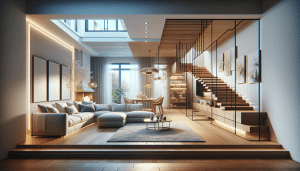
You Can Transform Your Living Space for Less
Leila Andersson November 14, 2025
Discover practical ways to refresh your home environment without overspending. This guide explores budget-friendly interior design tips, trending decor ideas, smart shopping, sustainability, and creative storage solutions. Embrace lifestyle uplift while learning to maximize comfort, aesthetics, and value.
Unlocking Affordable Interior Design Trends
When upgrading a living space, many believe a stylish home makeover means a hefty price tag. That’s far from the truth. Modern interior design thrives on accessible ideas that make impact without draining savings. From accent walls to flexible furniture, affordability and creativity work hand in hand. Paint is still one of the most effective transformation tools. A new color palette can instantly breathe freshness into a room. Even budget-friendly peel-and-stick wallpapers are gaining momentum. They come in a variety of patterns, allowing renters and homeowners to express their personalities with little commitment. These on-trend solutions encourage experimentation and make refreshing décor enjoyable for all.
Maximizing value goes beyond paint. Consider repurposing existing pieces for a custom, luxury look. Try rearranging furniture, replacing drawer handles, or adding slipcovers to revive worn chairs. Mix-and-match decor is not just cost-effective—it’s also very fashionable right now. Layering textures and combining vintage finds with new purchases keeps rooms looking curated and lived-in. Online marketplaces and thrift stores are often overlooked resources; they offer unique statement pieces without the markup found in typical retail outlets. This blending of old and new creates a home that feels personal, authentic, and distinctly yours.
Another way to tap into design trends affordably is through DIY art and crafts. You don’t have to be a professional artist to create wall prints, centerpieces, or vases. Free design tutorials are widely available and show step-by-step styling methods. Using recycled materials not only saves money but supports sustainability, a growing consideration in home design. Even small touches such as custom photo galleries or handmade planters can energize living areas, making them more inspiring while staying on budget.
Sustainable Choices for a Stylish Home
The trend towards sustainability in interior design is not just a passing phase. Eco-friendly choices reduce waste, cut long-term costs, and create healthier living environments. Choosing furniture made from responsibly sourced materials—like certified wood or recycled plastics—is a simple start. Many modern decor brands now offer stylish lines with minimal environmental impact. Incorporating secondhand treasures or upcycled items not only adds character but promotes a greener lifestyle. These approaches are accessible at every budget level even in small apartments.
Lowering energy use is another stylish, sustainable win. LED lighting solutions last longer and use a fraction of the power. Choosing light-filtering curtains or shades can optimize natural sunlight, reducing the need for artificial lighting during the day. Indoor plants clean air and lift mood, making them a staple feature in wellness-inspired design. Beginners can start with easy-care varieties such as pothos or snake plants for instant results with minimal risk of failure. These conscious upgrades add sophistication to any home and foster a better planet.
Sustainability also involves mindful purchasing. Before adding anything new, ask whether it serves a dual-purpose or will stand the test of time. Research provided by the U.S. Environmental Protection Agency highlights how minimalism and decluttering reduce resource consumption and enhance well-being (https://www.epa.gov/greenliving). Thoughtful decorating choices often result in living spaces that are less crowded, easier to maintain, and more restful—a true reflection of conscious modern style.
Creative Storage Ideas that Work
Small space, big solutions. Creative storage is the backbone of functional, beautiful homes. Open shelving, under-bed containers, and multipurpose ottomans allow for efficient use of every inch without feeling cluttered. Wall-mounted organizers and pegboards turn empty surfaces into display zones, providing both storage and visual interest. Grouping accessories by color or size helps a room feel cohesive and tidy. When choosing baskets or boxes, opt for neutral or co-ordinated shades for a streamlined style.
Modern home storage is not limited to kitchens and bedrooms. Entryway benches with hidden compartments, closet organizers, and bathroom racks greatly increase usability. These additions declutter living zones and contribute to a polished look. Rolling carts—which tuck away when not in use—have become especially popular in smaller apartments as mobile office or bar stations. Incorporating vertical storage harnesses wall height and brings order without sacrificing floor space. It’s about working smarter, not harder.
Personalizing storage solutions elevates the experience further. Labeling bins or customizing bookcases makes organization easy and enjoyable. Some home improvement centers offer classes or free online guides on building your own storage units for a unique fit and optimal function (https://www.homedepot.com/c/ab/how-to-build-storage-shelves/9ba683603be9fa5395fab9074c1e4dc1). As homes increasingly serve as offices, gyms, and retreats, clever storage ensures versatility and tranquility reign in every room.
Maximizing Comfort and Wellness at Home
A comfortable living environment supports both physical and mental well-being. Start with ergonomics—ensure your space encourages good posture, especially if working from home. Select chairs with lumbar support and add cushions where needed. Arrange lighting to reduce glare and eye strain. Soft textiles, such as area rugs and throw blankets, create inviting spots for relaxation and connection. Color psychology also plays a role; calming hues like soft blue or sage can nurture contentment and calm.
Home wellness transcends physical comfort. Aroma diffusers, sound machines, and indoor plants boost mood and encourage restorative routines. Keeping clutter minimal can lower anxiety—professional organizers often recommend setting aside fifteen minutes daily for tidying up. Studies from the National Institutes of Health indicate that cultivating a calming environment directly benefits emotional wellness (https://www.ncbi.nlm.nih.gov/pmc/articles/PMC8074216/). Nothing beats coming home to an oasis designed for rejuvenation.
Personal touches are equally essential. Display cherished mementos and photos in high-traffic areas. Rotate favorite decor items seasonally for fresh inspiration. This intentional curation ensures the space is a genuine reflection of evolving tastes, life events, and personal values. Wellness-driven homes feel nurturing because they evolve as you do, resonating with every member of the household.
Smart Shopping and Budget-Friendly Decor
Smart shopping unlocks access to high-perceived-value decor even on a limited budget. Look for multi-seasonal items, such as rugs and pillows, that can be restyled throughout the year. Compare prices across several retailers, and subscribe to digital home design newsletters for updates on future trends. Knowing when to shop—like during end-of-season clearance or estate sales—can result in impressive savings. Many national retailers also feature sections devoted to affordable, trendy decor each season.
Don’t overlook the impact of local artisan markets and community workshops. Support independent makers for one-of-a-kind decorations that feel special and often cost less than mass-produced options. These networks also introduce buyers to sustainable creators, bridging the gap between conscious consumption and style. Blending these pieces throughout your home brings warmth and personality that transcends any single trend. This approach maximizes style per dollar and supports local economies in the process.
Shopping with a list ensures purchases serve a purpose and supports smart, long-term decorating. Style experts at the American Society of Interior Designers recommend forming a budget plan, prioritizing high-impact items, and only adding new pieces after careful consideration (https://www.asid.org/find-a-pro/tips-for-hiring-an-interior-designer). This approach prevents impulsive spending while keeping aesthetic goals on track, resulting in a home that grows more comfortable and functional with each improvement.
Personalizing Your Space with Confidence
True style comes from expression, not imitation. Personalizing your home means highlighting what matters to you, whether that’s family memories, hobbies, or travels. Try incorporating textiles collected during trips, custom prints made by friends, or art created by loved ones. These individualized touches transform standard layouts into meaningful sanctuaries. It’s your story in every corner.
Balance is key in personalized decor. Showcase unique collections or favorite colors, but blend them with neutral backgrounds for harmony. Experiment freely—a home evolves over time. There’s no urgent need to finish every detail all at once. Allow inspiration to guide updates and enjoy the process of discovery. Confidence in expressing personal tastes creates the most inviting results.
Remember, no expert can dictate the “right” way to style your space. Trends come and go, but houses filled with personality remain timeless. Open yourself up to learning, adapting, and layering elements that bring delight. In time, you’ll find your home feels both deeply personal and welcoming to everyone who enters. That’s real lifestyle satisfaction.
References
1. U.S. Environmental Protection Agency. (n.d.). Green Living. Retrieved from https://www.epa.gov/greenliving
2. National Institutes of Health. (2021). The impact of the home environment on health and well-being. Retrieved from https://www.ncbi.nlm.nih.gov/pmc/articles/PMC8074216/
3. American Society of Interior Designers. (n.d.). Tips for Hiring an Interior Designer. Retrieved from https://www.asid.org/find-a-pro/tips-for-hiring-an-interior-designer
4. Home Depot. (n.d.). How to Build Storage Shelves. Retrieved from https://www.homedepot.com/c/ab/how-to-build-storage-shelves/9ba683603be9fa5395fab9074c1e4dc1
5. Good Housekeeping Institute. (2023). Sustainable Home Decor: How to Shop Green. Retrieved from https://www.goodhousekeeping.com/home/decorating-ideas/g28478845/eco-friendly-home-decor
6. The Spruce. (2023). Easy DIY Wall Art Ideas That Anyone Can Make. Retrieved from https://www.thespruce.com/diy-wall-art-ideas-4146481

 Surprising Benefits of Intermittent Fasting for You