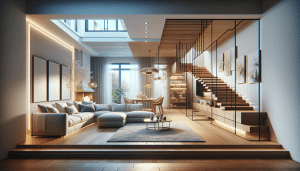
You Can Transform Your Living Space With Minimalist Decor
Leila Andersson November 4, 2025
Minimalist decor continues to inspire those looking for both style and simplicity. This guide explores how you can refresh your living space, boost calm, and increase functionality by embracing minimalism. Discover organizing ideas, furniture choices, and color strategies—all designed for modern lifestyles.
Understanding Minimalism and Why It’s Gaining Momentum
Minimalist decor is more than a trend—it’s a mindset rooted in simplicity and function. People are drawn to minimalist living for its promise of decluttered spaces and intentional comfort. Instead of filling rooms with objects, the focus shifts to selecting meaningful pieces that enhance daily life. This approach reduces visual noise, making homes feel calmer and more welcoming. Minimalism offers a way to escape the chaos of busy environments, giving individuals space to breathe and reflect.
Many find that minimalist design supports mental well-being. With fewer distractions, rooms feel more open, which can help decrease feelings of stress and overwhelm. Many interior designers highlight the connection between tidy spaces and emotional clarity. In practice, a minimalist home relies on neutral colors, clean lines, and uncluttered surfaces. Each choice—whether decorative or functional—intentionally serves a purpose, creating harmony in the environment.
Minimalism often reflects values of sustainability and conscious living. By buying less and choosing higher-quality pieces, it’s possible to reduce waste over time. The movement has been shaped by influencers, books, and popular documentaries, which celebrate the art of living with less. As a result, minimalist decor aligns not just with aesthetic preferences but also with a desire for mindful, meaningful living. Many homeowners and renters are now weaving minimalist principles into their daily routines.
Decluttering for a Fresh Start
Decluttering is the heart of successful minimalist decor. Tackling clutter gives rooms an instant refresh and paves the way for new design possibilities. Begin by reassessing everything: furniture, artwork, accessories. Decide what stays and what holds you back. Many experts recommend focusing on one area at a time—start with a drawer, shelf, or corner. Gradual progress can be motivating and less overwhelming.
Intentional organization makes it easier to maintain cleanliness and calm. Storage solutions like hidden shelves, sleek baskets, or discreet hooks help keep daily essentials out of sight but within reach. Choosing multifunctional furniture also trims visible clutter, especially in smaller living spaces. By reviewing each item and its purpose, it becomes clear which objects truly belong. Letting go brings lighter energy and revitalizes your space.
Decluttering is not a one-time event; it’s an ongoing process. Develop a simple daily or weekly routine to keep things in order. For many, this step is empowering, as physical space mirrors mental clarity. Minimalist living doesn’t mean sacrificing personality or comfort. Rather, it encourages thoughtful curation, ensuring that every object has meaning or use. This mindset lays the foundation for beautiful, practical home design.
Choosing Minimalist Furniture With Function in Mind
Minimalist furniture is striking in its simplicity. The pieces you choose shape both the look and feel of your home. Opt for furniture with clean lines, neutral tones, and without ornate details. For example, a simple wooden table or a low-profile sofa blends seamlessly into minimalist decor. Functionality is key—seek out adaptable items like modular storage units or extendable dining tables. Versatile furniture adapts to your lifestyle and helps keep clutter at bay.
Think about furniture size relative to your space. Oversized items can feel heavy and dominate a room, whereas carefully chosen pieces preserve a sense of openness. Minimalist living rooms benefit from streamlined sofas, unobtrusive coffee tables, and open shelving instead of closed cabinets. In bedrooms, platform beds and simple nightstands anchor the design. Every addition should contribute comfort, purpose, or aesthetic value without overwhelming the senses.
Minimalism does not mean austerity. Instead of abundance, consider how you can make a single piece feel special. A unique side chair or lightly textured rug can add warmth and visual interest. In selecting new pieces, durability should play a role—favoring eco-friendly materials and timeless silhouettes. Choosing furniture with intention cultivates a cohesive environment where daily routines feel effortless and nourishing.
Color Palettes That Calm and Inspire
Minimalist decor relies heavily on color psychology. The right color palette enhances both the style and mood of your living space. Most minimalist homes feature whites, creams, grays, and muted earth tones as a backdrop. These shades mimic natural light and amplify spaciousness, creating a serene and open atmosphere. Soft hues anchor the space, promoting peace and relaxation amid life’s busy rhythms.
While neutral tones dominate, strategic pops of color can energize minimalist rooms. Think sage green throw blankets, a single indigo vase, or dusty blush pillows. Color is used with restraint but purpose, drawing the eye to focal points and keeping the design engaging. The key is cohesion—each tone should complement others in the room rather than compete for attention. Subtle contrast adds sophistication without disrupting tranquility.
Natural materials like wood, linen, and stone expand the palette beyond paint and textiles. Layering textures through these elements adds depth and tactile interest. In minimalist decor, less is often more: By thoughtfully combining colors and textures, rooms come alive while keeping visual clutter at bay. Experimenting with different tones is part of the creative process and can lead to refreshing, personalized results.
Smart Storage for Effortless Organization
Effective storage solutions are crucial to maintaining minimalist homes. Many modern apartments and houses rely on invisible or dual-purpose storage to disguise everyday items. Consider built-in cabinets, storage ottomans, or under-bed bins—these keep necessities out of sight but easy to locate. Investing in a few quality storage pieces can help sustain order and minimize the temptation to accumulate excess.
Incorporating storage into furniture is especially valuable for small spaces. Beds with drawers, coffee tables with shelves, or wall-mounted systems maximize vertical space while clearing floors. Open shelving highlights essentials and invites mindfulness about what’s displayed. Keeping practical needs in mind ensures your home remains tidy and supports calm routines day after day.
Creating designated spots for different items fosters good habits. Establish catch-all zones for mail, keys, and frequently used items so clutter does not creep in. Organizers—such as boxes, baskets, or dividers—bring structure inside drawers and closets. These additions streamline cleaning and encourage consistency. Smart storage doesn’t just hide belongings; it actively supports an organized, harmonious minimalist lifestyle.
Bringing Nature Indoors With Minimalist Touches
Nature is a core element of minimalist decor. Bringing plant life indoors softens straight lines and stark surfaces, adding vibrancy and air-purifying benefits. Even a single potted plant or a simple stem in a vase brings warmth to minimalist rooms. Choose easy-care options like snake plants, pothos, or succulents for long-lasting greenery.
Natural light is just as important. Sheer curtains or unobstructed windows welcome more sunlight, which brightens the space and enhances your chosen color palette. Light wood accents, woven baskets, and stone planters echo the organic influence seen in many minimalist interiors. These elements reduce formality and create a more grounded, lived-in feeling.
Minimalist decor can also reflect the changing seasons. Rotate plants, branches, or natural objects throughout the year for subtle variation. Even small adjustments—such as a fresh bouquet or a new throw pillow—can keep your space feeling lively. Incorporating nature is as much about atmosphere as aesthetics. These organic elements combine to nurture a gentle, restorative ambiance.
References
1. Minimalism: A Documentary About the Important Things. (n.d.). Retrieved from https://www.netflix.com/title/80114460
2. The Spruce. (n.d.). 10 Minimalist Living Room Ideas. Retrieved from https://www.thespruce.com/minimalist-living-room-design-ideas-4161204
3. NYU Langone Health. (n.d.). Minimalism May Improve Mental Health. Retrieved from https://nyulangone.org/news/minimalism-may-improve-mental-health-study
4. Harvard T.H. Chan School of Public Health. (n.d.). Healthy Buildings and Mindfulness. Retrieved from https://www.hsph.harvard.edu/news/hsph-in-the-news/healthy-buildings-mental-health/
5. National Association of Productivity & Organizing Professionals. (n.d.). Decluttering Guidelines. Retrieved from https://www.napo.net/page/declutter
6. The Minimalists. (n.d.). What is Minimalism? Retrieved from https://www.theminimalists.com/minimalism/

 Secrets You Can Learn from Startup Failures