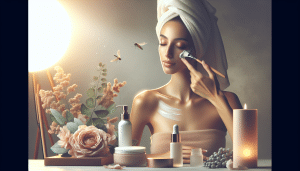
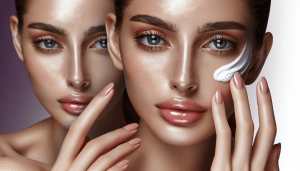
You Can Transform Your Skin With Peptide-Based Skincare
Camila Duarte November 6, 2025
Curious about peptide-based skincare? This guide explores how peptides help improve skin health, reduce fine lines, support collagen, and boost hydration. Learn what makes these ingredients so popular in wellness and beauty routines.
The Science Behind Peptides in Skincare
Peptides are short chains of amino acids that function as building blocks of proteins like collagen and elastin. These proteins are essential for maintaining youthful, resilient skin. Topical skincare containing peptides has gained considerable attention in the beauty community because it addresses the need for skin support at a cellular level. Many people look for effective ways to encourage firmer, smoother skin, and peptide-rich formulas are now featured in everything from serums to moisturizers.
Research suggests that peptides act as messengers, signaling the skin to stimulate collagen production and repair cellular damage. This can be particularly helpful as natural collagen levels decline with age. By integrating peptides into a daily regimen, users may notice improvements in skin texture and elasticity, which contributes to a youthful-looking complexion. Not all peptides are the same—some are designed for hydration, while others target wrinkles or inflammation.
How peptides work is complex and fascinating. When applied topically, they break through the skin barrier and deliver their ‘message’ to skin cells. This encourages ongoing repair and renewal. Their use is supported by growing clinical evidence, and interest among dermatologists reflects their rising demand in wellness circles (https://www.ncbi.nlm.nih.gov/pmc/articles/PMC5843352/).
Benefits of Adding Peptides to Your Routine
People often pursue skincare products that promise smoother, firmer, and brighter skin. Peptides deliver on these expectations by encouraging deep skin repair and renewal. Regular use of peptide serums or creams can promote the synthesis of new collagen. This opposes the natural loss of elasticity associated with age, helping reduce the visible impact of environmental stressors and everyday wear.
One key benefit of peptide-rich products is improved barrier function. A healthy skin barrier is crucial for retaining moisture, preventing irritants from getting in, and minimizing sensitivity. Peptides help strengthen the barrier, making skin more resilient and less prone to redness or dryness. Consistent application offers a gentle, noticeable progression toward healthier skin over time.
In addition to smoother skin, peptides often reduce the look of fine lines. Some clinical studies have documented their ability to improve firmness and decrease wrinkle depth. When blended with antioxidants, hyaluronic acid, or ceramides, peptide formulas become powerful tools for comprehensive skin wellness. Many wellness resources highlight their benefits as both preventative and restorative.https://www.ncbi.nlm.nih.gov/pmc/articles/PMC7834612/
How Peptides Support Collagen and Elasticity
Collagen is vital for youthful skin, but production naturally decreases over time. Peptides compensate for this decline by encouraging natural synthesis. Some peptides, known as ‘signal peptides,’ directly instruct skin cells to build more collagen and elastin. This biological process leads to improved skin strength, less sagging, and a reduction in the appearance of wrinkles.
Elasticity is another key characteristic connected to a firm complexion. The repeated use of peptide skincare can help restore lost bounce and resilience. When the skin’s structure is reinforced, facial features look smoother and feel firmer. Many products on the market combine signal peptides with other supportive compounds to maximize these results over weeks of regular use.
Multiple studies highlight the correlation between topical peptide use and an increase in type I and III collagen fibers. These effects are most pronounced in products applied twice daily and combined with sun protection and good hydration habits. The outlook for peptide-based beauty remains strong as more users document visible, lasting improvements.https://pubmed.ncbi.nlm.nih.gov/26996105/
Hydration and Barrier Support With Peptides
Hydrated skin appears plumper and more radiant, which is why peptides frequently appear in hydrating formulas. By reinforcing the skin barrier, peptides help prevent unnecessary moisture loss. This is particularly beneficial in environments with harsh weather or when exposed to drying indoor conditions, like air conditioning or heating.
The skin barrier consists of overlapping lipids and proteins. It’s the literal first line of defense against environmental threats. When this barrier is compromised, skin can become dry, flaky, or irritated. Peptides support the natural renewal of barrier components, enhancing moisture retention and making the outer layer more resilient to outside factors.
Peptide moisturizers, serums, and masks are useful for all skin types, from oily to sensitive. Dermatologists frequently recommend these products for those looking to improve both hydration and overall comfort. Combined with other humectants, peptides help calm irritation and encourage steady hydration, keeping complexions looking healthy year-round (https://www.aad.org/public/diseases/a-z/skin-care).
Choosing the Right Peptide Product
With so many peptide-based skincare options, knowing what to look for can be complex. Some formulas focus on anti-aging, others on hydration or calming sensitive skin. Examining ingredient lists helps determine the peptide type and concentration, which influences how effective it may be. It’s wise to search for brands offering supporting clinical data or transparency in their formulations.
Formulation matters as much as the active ingredient. Peptides are often paired with other beneficial elements like antioxidants, hyaluronic acid, niacinamide, or ceramides. These companions maximize skin benefits and contribute to texture improvements. When assessing labels, prioritize products free from irritating fragrances or unnecessary fillers, especially for sensitive complexions.
Consumers also appreciate when brands provide guidance based on skin types or concerns. Some people prefer lightweight gels, while others find rich creams more comforting—there’s no one-size-fits-all. Exploring different delivery systems, for instance, ampoules, serums, or overnight masks, can provide a more tailored approach to peptide use (https://www.health.harvard.edu/blog/peptides-in-skin-care-do-they-work-2021041522341).
Integrating Peptides Into Your Wellness Routine
The integration of peptide skincare is not just about appearance—it’s also tied to holistic wellness. Many consider their daily skincare as essential self-care, promoting relaxation and confidence. When routines are approached consistently, the impact is both visual and psychological. Employing mindful application of peptide products can add a soothing ritual to busy mornings or evenings.
Combining peptides with healthy lifestyle choices maximizes results. Adequate sleep, hydration, sun protection, and balanced nutrition all play roles in skin health. When these habits align with science-backed topical products, users may notice more profound changes over time. Holistic care is emphasized in many wellness resources, suggesting that topical treatments work best when combined with comprehensive self-care strategies.
Some people document their journey using peptide skincare through before-and-after photos or wellness journals. This practice allows for personal tracking of progress and adjustment of routines. Experimentation with different formulas or techniques may uncover the approach that feels most supportive for each unique complexion. Wellness is about empowerment—finding the right peptide solution is a step in that direction (https://www.clevelandclinic.org/health/articles/23129).
References
1. Gorouhi, F., & Maibach, H. I. (2009). Role of topical peptides in preventing or treating aged skin. International Journal of Cosmetic Science. Retrieved from https://www.ncbi.nlm.nih.gov/pmc/articles/PMC5843352/
2. Lupo, M. P., & Cole, A. L. (2007). Cosmeceutical peptides. Dermatologic Therapy. Retrieved from https://www.ncbi.nlm.nih.gov/pmc/articles/PMC7834612/
3. Hexsel, D., et al. (2017). Dermal formulations containing peptides and their effect on collagen. Journal of Cosmetic Dermatology. Retrieved from https://pubmed.ncbi.nlm.nih.gov/26996105/
4. American Academy of Dermatology Association. Skin care for healthy skin. Retrieved from https://www.aad.org/public/diseases/a-z/skin-care
5. Harvard Health Publishing. Peptides in skin care: Do they work? Retrieved from https://www.health.harvard.edu/blog/peptides-in-skin-care-do-they-work-2021041522341
6. Cleveland Clinic. 10 ingredients your skin will love. Retrieved from https://www.clevelandclinic.org/health/articles/23129

 Why Major Tech Layoffs Are Making Headlines