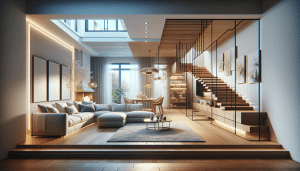
You Can Transform Your Space with These Interior Design Tips
Leila Andersson September 27, 2025
Explore the art of interior design and discover how simple changes can make your home feel fresh and inviting. This practical guide shares creative tips for organizing, decorating, and lighting every room, inspiring anyone to enhance their personal environment without major renovations.
Elevate Mood with Color and Texture
Color plays a powerful role in shaping the atmosphere of any living space. Psychological studies reveal that hues like blue and green tend to evoke feelings of calm, while vibrant shades such as yellow or orange create energetic environments. Choosing harmonious color palettes is an accessible way to influence mood without committing to large-scale changes. Accent walls, throw pillows, and artwork can completely refresh a room, offering a low-cost, high-impact transformation. Incorporating these seasonal or trendy colors can help keep your home feeling current and comfortable, with little effort required.
Texture is often underrated but essential in interior design. Blending materials such as plush throws, woven rugs, or sleek metal accents adds dimension to a space. Layering different textiles fosters warmth and interest, breaking up monotony and encouraging relaxation. For those not ready to invest in major new pieces, swapping out cushion covers or introducing a knit blanket instantly elevates both aesthetics and comfort. When combined, color and texture invite the senses to engage, making a familiar room feel entirely new.
Experimenting with finishes—matte, gloss, or natural—can amplify a room’s unique character. Refrain from overwhelming the area with too many patterns or clashing shades. Instead, look for subtle contrasts or repeating elements to anchor the design. By focusing on small tactile and visual changes, even renters or those on a tight budget can achieve a dramatic refresh. Research continues to validate the emotional benefits of well-chosen color and rich textures in residential spaces (https://www.verywellmind.com/color-psychology-2795824).
Smart Lighting Choices Shape Experiences
Lighting isn’t just about function—it sets the entire mood of a room. Natural daylight makes spaces feel open and upbeat, while soft, indirect lighting encourages a peaceful ambiance after sunset. Incorporating layers, with ceiling fixtures, table lamps, and wall sconces, allows for flexibility depending on your needs and the time of day. Well-placed lighting can highlight architectural features or draw attention to favorite decor pieces, adding depth and sophistication to your environment.
For those interested in sustainability, swapping out traditional bulbs for energy-efficient LED alternatives can cut costs and environmental impact. Task lighting, such as under-cabinet strips or reading lamps, serves specific functions, making daily activities easier. Dimmers are another versatile addition, offering the freedom to transition seamlessly from bright workspaces to cozy relaxation zones. Adjusting the lighting is one of the fastest, least intrusive improvements you can make at home.
Embracing smart home technologies, like voice-activated controls or app-based systems, makes it easier to customize light settings for comfort and energy savings. Not only can tailored lighting boost productivity and well-being, it may also improve sleep cycles when used to mimic natural transitions. For renters or homeowners alike, enhancing lighting design is a strategic way to achieve both function and beauty, with minimal hassle (https://www.energy.gov/energysaver/lighting-controls).
Space-Saving Secrets for Every Home
Optimizing limited square footage is a challenge for many. Clever furniture selections—think foldable tables, nesting chairs, or modular sofas—maximize utility without cluttering the floor plan. Floating shelves and under-bed storage make use of overlooked vertical and horizontal spaces, ensuring every inch is functional. This approach allows for flexibility as needs shift, especially in shared apartments or growing households, where adaptability is key.
Decluttering goes beyond storage; it requires thoughtful editing of what is displayed. Multifunctional objects, like storage ottomans or wall-mounted desks, serve double duty, reducing the need for excess pieces. Minimalist organization continues to grow in popularity, inspired by design philosophies such as Swedish lagom or Japanese minimalism. These spaces feel spacious and clean, making daily routines more manageable.
Whether you’re working with a compact studio or subdividing a larger open-plan area, portable partitions or shelving can define spaces without permanent alterations. This is especially helpful for home offices or hobby zones, where some privacy is needed. Small-space solutions can also add a sense of playfulness—using colorful bins or unique hooks becomes part of the décor. With a bit of planning and creative thinking, small homes can feel much larger and significantly more enjoyable (https://www.huduser.gov/portal/pdredge/pdr-edge-frm-asst-sec-111217.html).
Personalizing with Art and Accessories
Art and accessories inject personality and meaning into any room. Carefully chosen paintings, prints, or sculptures reflect the interests and tastes of the people living there. Gallery walls, where several framed artworks are arranged together, create a striking focal point without the need for expensive commissions. Even family photos, mementos, or handmade crafts add a welcoming, intimate touch that is hard to replicate with generic decor.
Arranging accessories in odd numbers, such as a trio of candles or a cluster of vases, provides more visual interest than paired items. Mixing old and new pieces lends depth and tells a story unique to your space. Remember to edit occasionally; rotating out artworks or swapping in seasonal items helps keep the environment feeling fresh. Displaying travel souvenirs or locally made crafts can spark memories and conversations, rooting your interiors in lived experiences.
Functional accessories—such as decorative baskets or statement clocks—bring together form and function. Mirrors are another favorite tool in the designer’s toolkit, as they expand light and visually enlarge even the smallest of rooms. The overall effect is not just aesthetic, but also emotional. Those who surround themselves with personally significant objects tend to feel more at home and happier in their space. Studies point to a strong connection between personalization and well-being (https://greatergood.berkeley.edu/article/item/how_to_create_a_home_that_supports_your_emotional_well_being).
Bringing Nature Indoors for Refreshment
Incorporating elements of nature, a trend called biophilic design, is gaining traction for its health and happiness benefits. Houseplants, from succulents to towering fiddle-leaf figs, purify air and lift moods. Positioning greenery near windows creates a seamless link between indoors and out, softening architectural lines and encouraging tranquility. For those less confident in their plant care, low-maintenance options like snake plants or pothos are forgiving and resilient.
Natural materials—including wood, stone, and clay—bring subtle warmth, while water features or small fountains add a calming soundscape. Textiles inspired by nature, like botanical prints or linen, complement living greenery. Even views of outdoor spaces, whether through large windows or strategically placed mirrors, contribute to well-being by providing a visual connection to the natural world. There’s growing evidence that engaging with nature at home supports creativity and reduces stress.
Biophilic strategies can be as simple as a bowl of fresh fruit on the table or as ambitious as a living wall installation. Every step towards natural integration makes rooms more vibrant and inviting. Research suggests that exposure to nature—even in modest doses—improves concentration and boosts overall contentment (https://www.epa.gov/indoor-air-quality-iaq/indoor-plants-and-air-quality). For those looking to refresh their homes, these elements are both practical and rewarding.
Sustaining Beauty with Simple Routines
Maintaining a beautiful home doesn’t require endless effort. Establishing small daily or weekly routines keeps spaces tidy and inviting. A quick morning tidy or weekly dusting makes a more significant impact than sporadic deep cleans. Maintaining organization and regularly resetting decorative items preserves the harmony and freshness of the home’s atmosphere.
Seasonal updates, such as switching out throw blankets or updating vases with fresh flowers, help keep spaces feeling up-to-date. Involving everyone in the household fosters a collective sense of responsibility, turning tidiness into a shared value rather than a chore. Over time, these habits create an environment where beauty is sustainable, not fleeting, reinforcing comfort and pride in one’s surroundings.
Investing a little time in basic repairs—tightening loose hardware, touching up paint, or repairing worn rugs—extends the life of decor and helps you spot needed changes while they’re still small. These practical routines ensure your home remains both functional and beautiful. Research affirms that organized, aesthetically pleasing environments can improve mood and productivity every day (https://www.apa.org/news/press/releases/2010/06/clutter-stress).
References
1. Cherry, K. (n.d.). Color Psychology: Does It Affect How You Feel? Retrieved from https://www.verywellmind.com/color-psychology-2795824
2. U.S. Department of Energy. (n.d.). Lighting Controls. Retrieved from https://www.energy.gov/energysaver/lighting-controls
3. U.S. Department of Housing and Urban Development. (n.d.). Space-Saving Tips for Small Houses. Retrieved from https://www.huduser.gov/portal/pdredge/pdr-edge-frm-asst-sec-111217.html
4. Greater Good Science Center, Berkeley. (n.d.). How to Create a Home that Supports Your Emotional Well-being. Retrieved from https://greatergood.berkeley.edu/article/item/how_to_create_a_home_that_supports_your_emotional_well_being
5. U.S. Environmental Protection Agency. (n.d.). Indoor Plants and Air Quality. Retrieved from https://www.epa.gov/indoor-air-quality-iaq/indoor-plants-and-air-quality
6. American Psychological Association. (n.d.). Clutter, Stress, and Health. Retrieved from https://www.apa.org/news/press/releases/2010/06/clutter-stress

 Unlocking Small Business Grants You Might Overlook