You Will Love These Minimalist Home Decor Ideas
Leila Andersson September 29, 2025
Step into the world of minimalist home decor and discover how creating a calm, clutter-free space can uplift your lifestyle. This guide explores design inspiration, color choices, sustainable options, and organization strategies, making it easier for anyone to transform living areas with a minimalist touch.
What Makes Minimalist Home Decor So Appealing?
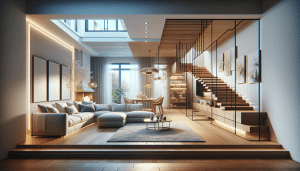
Minimalist home decor captures attention with its serene, inviting simplicity. By clearing visual clutter and focusing on essential items, each piece gains significance. Natural lighting, neutral color schemes, and uncluttered layouts form the core of minimalist interiors, crafting spaces that feel spacious and tranquil. This approach isn’t about stark emptiness. Instead, it highlights quality, comfort, and intentional design. For many, minimalist decor provides a welcome escape from chaotic routines, creating a relaxing haven at home. Small or large, any room can be reimagined using thoughtful, streamlined elements that reflect the principles of minimalism. This lifestyle trend is gaining traction because it’s accessible, adaptable, and delivers tangible benefits for mental clarity and daily living.
People drawn to this style often appreciate the calming effect of curated surroundings. Minimalist interiors use fewer accessories but place special emphasis on materials, texture, and thoughtful arrangement. Choosing sleek furniture, strategically placed art, and hidden storage creates a functional yet beautiful environment. These decisions can make spaces visibly larger, maximizing the potential of even a modest apartment. Homeowners find that letting go of unnecessary possessions and focusing on favorite items leads to increased satisfaction and renewed energy. Minimalism isn’t about deprivation; it’s about celebrating what really matters to you within your home.
The rising popularity of minimalist decor across social media and design magazines mirrors a larger cultural shift. Individuals seek out simpler, slower ways of life and use their surroundings as an anchor. Eco-friendly and sustainable decor choices are often part of the minimalist ethos. Reducing consumerism, reusing quality items, and appreciating natural finishes support both the environment and wallet. Minimalist style is fluid, allowing for infusion of warmth and personality, so every home tells its unique story. This fosters not just a visually pleasing space, but also a sense of belonging and well-being for its residents.
Inspiring Color Palettes for Calm Spaces
Color selection plays a critical role in minimalist home decor. Soft, muted shades dominate—think creams, whites, gentle grays, beiges, and subdued greens. These tones evoke tranquility and foster easy relaxation. Walls painted in neutral hues serve as a soothing canvas, allowing special pieces like a favorite chair, plant, or artwork to stand out. Minimalist design avoids harsh contrasts and leans heavily on complementary undertones, which are known for making rooms appear brighter and more welcoming even without natural sunlight.
Accents matter, too. A minimalist space need not feel cold or clinical. Carefully chosen pops of color—perhaps a cushion in soft terracotta or a vase in dusty blue—add personality without overcrowding the visuals. Layering tonal variations of the same color can achieve subtle depth while maintaining the clarity of minimalism. Many designers experiment with natural wood grains, rattan, or stone accessories to infuse warmth and a grounded feeling into otherwise monochrome interiors. This approach ensures each space is inviting, modern, and never sterile.
For those unsure where to start, experimenting with small accessories or textiles in restful shades is a low-commitment method. Adding neutral throw blankets, rugs, or simple bedding transforms a living area or bedroom swiftly. Color psychology research shows that minimalist color palettes can reduce stress and boost concentration. Switching to soft tones is more than an aesthetic choice—it’s a strategy for fostering mindful comfort in day-to-day living.
Sustainable Choices in Minimalist Furnishing
Minimalist interiors often overlap with sustainable living. Selecting furniture made from responsibly sourced materials supports the eco-friendly philosophy at the heart of this lifestyle. Bamboo, reclaimed woods, and metals are durable and stylish options. These not only look modern but also lower a household’s environmental footprint. Design brands increasingly focus on offering products that marry minimalist lines with strong sustainability credentials, enabling consumers to create homes reflecting both style and ethics.
Investing in multipurpose furniture is another trademark of minimalist living. Items such as expandable tables, modular sofas, or beds with inbuilt storage bring versatility without excess. This prevents clutter and maximizes every square foot of your space. Conscious buying—opting for quality over quantity—also means fewer replacements and less waste, which aligns with ethical consumer values. Many find that embracing sustainable choices offers long-term financial savings and greater peace of mind about ecological impact.
Thrifting and upcycling align beautifully with minimalist ideals. Vintage shops and local artisans routinely provide unique pieces that add individuality without compromising the minimalist principle of purpose-driven design. A refurbished dresser or a handmade wall shelf can act as a conversation starter while keeping interiors uncluttered. Blending new and old, store-bought and handmade, ensures rich stories surround every piece in a minimalist home. This approach enlivens spaces and supports local creativity and craftsmanship.
Decluttering and Organizing: Minimalist Secrets
Decluttering is the secret backbone of minimalist home decor. It’s not only about removing excess, but developing habits and routines that support ongoing organization. Tidying up in small, regular increments—clearing countertops, sorting mail, or folding laundry—prevents overwhelming messes. A minimalist approach encourages you to assign a place for each item. Tools like under-bed storage bins, sleek shelving, or wall-mounted organizers help optimize available space without visible clutter, keeping daily essentials both accessible and unseen.
Mindset plays a pivotal role when organizing for minimalism. Regularly reviewing what’s used and what sits idle offers surprising insight into actual needs versus habits. Minimalists suggest embarking on decluttering in categories: clothing, kitchenware, books, decor. This method gives structure to what might otherwise be an emotionally charged task. Many people experience a wave of lightness and renewed clarity after parting with seldom-used objects—echoing research highlighting the link between organized homes and reduced stress levels.
Maintenance is easier than most expect. Setting aside just five minutes daily for tidying, and a deeper organization session each month, sustains minimalist order. Gradual efforts often prove more effective than one-off overhauls. Celebrating small successes, like tidier desk spaces or organized drawers, keeps motivation high. Over time, these habits become second nature, leading to an effortless blend of form and function in all household routines. The result is a visually calm, practical environment tailor-made for rest, creativity, or socializing.
Adding Warmth and Personality to Minimalist Spaces
Minimalism isn’t synonymous with emptiness or lack of charm. Infusing warmth into minimalist spaces is both simple and satisfying. Using natural textiles—such as soft cotton, wool, or linen—transforms the tactile experience of a room. Layering a chunky knit throw over a smooth leather chair or introducing woven baskets for storage lends a relaxed, organic feel. These subtle touches foster comfort while maintaining the understated look that minimalist decor is known for.
Decorating with plants is a favorite minimalist strategy. Greenery brings vibrancy into spaces without overwhelming simplicity. Fiddle leaf figs, snake plants, or delicate succulents each offer a statement with little maintenance. Positioning plants near windows or as a table centerpiece draws attention while supporting indoor air quality. Art is another avenue—one bold piece can anchor a space more powerfully than many smaller works, encouraging viewers to pause, appreciate, and unwind.
Personalizing doesn’t mean abandoning restraint. Instead, it’s about mindful selection. Family photos in slim, matching frames, a treasured heirloom on a clear shelf, or handmade pottery add character and evoke fond memories. Scented candles in calming fragrances, background music via a discrete sound system, or even a favorite book showcased on a side table quietly tell your story. In a minimalist home, each choice stands out, ensuring your space feels uniquely yours and richly welcoming.
Tips for Transitioning to a Minimalist Lifestyle
Transitioning to a minimalist home decor style is a process, not a sprint. Starting small makes it easier. Tackle one room or category at a time—perhaps beginning with a closet or entryway. Observing how lighter, airier spaces affect daily mood offers great motivation. It helps to visualize your end goal: serene mornings, easier cleaning, more time for hobbies, and less anxiety over lost or broken items. Every small change counts toward a calmer, more functional space.
Set practical, personal guidelines. Some people use the ‘one in, one out’ rule to keep possessions in check. Others set limits for types of items—no more than three decorative pieces per surface, for instance. Gradually shifting habits around shopping and gifting—prioritizing experiences over things—reinforces the minimalist mindset. Friends and family might need time to adjust, but sharing your inspiration can foster support and even spark decluttering interest in others.
Above all, flexibility is key. Minimalism isn’t prescriptive. It grows and evolves with your needs, schedules, and tastes. Some households experiment with capsule wardrobes; others focus on digital decluttering. Reviewing habits periodically ensures your minimalist approach stays fresh and relevant. Lifestyle changes, such as welcoming new family members or embarking on remote work, may prompt new adaptations. The beauty of minimalist home decor is its timeless ability to adjust, support, and inspire everyday living.
References
1. American Psychological Association. (n.d.). Decluttering your space, decluttering your mind. Retrieved from https://www.apa.org/topics/wellness/decluttering
2. National Association of Realtors. (n.d.). Minimalism in home design. Retrieved from https://www.nar.realtor/blogs/styles-minimalism-in-home-design
3. U.S. Environmental Protection Agency. (n.d.). Sustainable materials management basics. Retrieved from https://www.epa.gov/smm/sustainable-materials-management-basics
4. Harvard Health Publishing. (n.d.). The mental health benefits of decluttering. Retrieved from https://www.health.harvard.edu/mind-and-mood/the-mental-health-benefits-of-decluttering
5. Psychology Today. (n.d.). How colors affect your mood. Retrieved from https://www.psychologytoday.com/us/blog/the-science-behind-behavior/202103/how-colors-affect-your-mood
6. National Institute of Building Sciences. (n.d.). Sustainability design and practice. Retrieved from https://www.wbdg.org/design-objectives/sustainable

 Hidden Beach Destinations You Never Considered