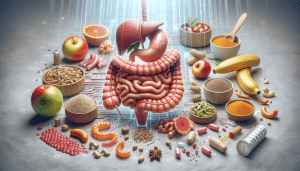
Unlock Benefits of Gut Health for Your Daily Life
Camila Duarte October 14, 2025
Discover how optimizing gut health can transform overall wellness, from digestion to mental clarity and immune function. This comprehensive guide explores practical, science-backed steps and the surprising links between the gut and the rest of the body, helping you make informed choices for lasting health improvements.
Understanding the Role of Gut Health
Your gut does more than digest food. It houses trillions of microorganisms—known collectively as the gut microbiome—that support digestion, nutrient absorption, and immunity. These microscopic residents play a central role in breaking down complex carbohydrates, producing essential vitamins, and supporting a robust gut barrier. As researchers delve deeper, they find the microbiome influences much more than previously imagined, particularly in the context of everyday health.
When the balance of bacteria in the gut is disrupted, a condition known as dysbiosis can occur. This imbalance may contribute to digestive discomfort, such as bloating, gas, or irregular bowel movements, and is also linked to broader issues like inflammation in the body. Preserving a diverse microbiome helps support smoother digestion and sets the foundation for overall wellness. Regular intake of high-fiber foods and fermented products can encourage growth of beneficial bacteria. (Source: https://www.niddk.nih.gov/health-information/digestive-diseases)
Gut health’s influence can extend beyond digestion. Studies show connections between the gut and brain function—sometimes referred to as the gut-brain axis. Many people are unaware of how their daily choices, like diet and stress management, affect gut health. Adopting mindful habits can bring positive changes not just in gut comfort, but also in mood, cognitive clarity, and resilience to seasonal illness.
Nutrition Choices That Support the Microbiome
Nutrition is the cornerstone of a healthy gut. Whole foods like fruits, vegetables, whole grains, nuts, and seeds fuel the beneficial bacteria that thrive in the large intestine. Research highlights dietary fiber as especially important; it acts as a prebiotic, serving as food for the microbes. Prebiotic-rich foods such as oats, apples, garlic, and onions can make a big difference in supporting microbial diversity. (Source: https://www.hsph.harvard.edu/nutritionsource/food-features/gut-microbiome/)
Fermented foods are another key. Yogurt, kefir, kimchi, sauerkraut, and miso introduce live beneficial bacteria called probiotics. Including these regularly may help maintain a healthy microbial balance and reduce risk of digestive upset. Choices in beverages matter as well; opting for herbal teas and plenty of water can foster a friendlier environment for the microbiome, as opposed to sugary drinks, which are associated with harm to beneficial bacteria.
Processed foods, added sugars, and artificial sweeteners can disturb the microbiome’s balance and invite unwanted symptoms. Moderation is the goal—not every meal must be perfectly balanced—but being mindful of how food choices influence gut health means small steps add up. Experimenting with new recipes that center on whole, plant-based ingredients can make nutritious eating exciting, delicious, and beneficial for gut diversity.
Gut Health and the Immune System
The gut isn’t just for digestion. It’s a major immune organ. Around 70 percent of immune cells reside along the digestive tract, where they are influenced by signals from gut microbes. A strong, well-fed microbiome can reduce the chances of infections and help regulate inflammation, contributing to general resilience during cold and flu season. (Source: https://www.ncbi.nlm.nih.gov/pmc/articles/PMC5641835/)
When gut bacteria are thriving, they help create compounds called short-chain fatty acids. These compounds support the integrity of the intestinal lining, acting as a barrier against harmful pathogens and toxins. On the flip side, an unhealthy gut allows unwanted substances to leak through the gut wall, activating the immune system in ways that can cause tiredness or discomfort. Regular, varied dietary intake improves the microbiome and, by extension, immune robustness.
Identifying ways to preserve immunity starts with everyday care of the gut. Including more fiber, keeping well hydrated, and getting enough sleep are linked to beneficial shifts in gut bacteria. Even the timing of meals and periods of gentle fasting may play a role. These practical, sustainable steps support your body’s natural defenses and overall wellness.
Mental Health, Stress, and the Gut-Brain Axis
The term ‘gut feeling’ has scientific roots. Communication between the gut and brain is continuous, facilitated by nerves, hormones, and the immune system. Mood, memory, and stress response all link back in part to gut health. The gut produces a significant percentage of the body’s serotonin—a key neurotransmitter influencing mood and emotional balance. (Source: https://www.hopkinsmedicine.org/health/wellness-and-prevention/the-brain-gut-connection)
Chronic stress can disrupt the delicate balance of bacteria and impair digestion. Stress-management techniques—such as mindfulness meditation, deep breathing, or light exercise—have been shown to benefit both mental well-being and gut health. Mindful eating, which encourages slow, attentive meals, improves digestion and can bring a sense of satisfaction that counteracts emotional stress eating.
Promoting positive mental health creates a beneficial feedback loop with gut wellness. When emotional well-being is prioritized, people often make better lifestyle choices that further maintain balance in the microbiome. Tiny daily shifts—like spending time outdoors or socializing—can influence gut health in meaningful ways, underscoring the importance of holistic self-care.
Recognizing and Managing Digestive Symptoms
Occasional digestive discomfort is common, but persistent symptoms deserve attention. Issues like bloating, abdominal pain, excessive gas, or unpredictable bowel movements may stem from gut imbalances. Identifying triggers—whether stress, food intolerances, or insufficient fiber intake—can help in formulating a more comfortable daily routine. (Source: https://www.gastro.org/practice-guidance/gi-patient-center/topic/irritable-bowel-syndrome)
Food journaling is a practical technique. Documenting meals, snacks, drinks, and symptoms can reveal possible connections or patterns over time. For many, introducing dietary changes gradually and noting effects helps avoid unnecessary restrictions and supports a well-rounded nutrient intake. If symptoms persist or worsen, consulting a practitioner with expertise in gut health is a wise next step for a more in-depth evaluation.
Beyond individual foods, mealtime behaviors matter too. Eating in a relaxed setting, chewing food thoroughly, and taking short walks after meals can aid in digestion. Small shifts in daily habits, when practiced consistently, often help ease mild digestive discomfort and improve the body’s ability to process a variety of foods without distress.
Lifestyle Habits That Enhance Gut Wellness
Movement matters almost as much as nutrition. Regular physical activity promotes motility—the smooth movement of food through the digestive tract—and has a positive effect on the diversity of beneficial gut bacteria. Activities like walking, cycling, swimming, or yoga can be integrated seamlessly into most routines, making gut-friendly movement accessible to many. (Source: https://www.cdc.gov/physicalactivity/basics/index.htm)
Sleep plays a crucial role in gut health. Disrupted sleep patterns have been tied to shifts in the microbiome associated with increased risk of inflammation. Establishing a consistent bedtime routine, limiting screen time before sleep, and finding ways to wind down in the evening allow both body and gut to repair overnight, setting the stage for restful sleep and refreshed digestion.
Avoiding unnecessary antibiotics, when possible, also protects the microbiome. While they can be essential for treating certain conditions, antibiotics may reduce beneficial gut bacteria. Exploring alternative approaches with qualified medical guidance and supporting recovery with a high-fiber, probiotic-rich diet afterwards encourages balance. Combining several lifestyle strategies amplifies benefits, creating a supportive foundation for whole-body wellness.
References
1. National Institute of Diabetes and Digestive and Kidney Diseases. (n.d.). Digestive Diseases. Retrieved from https://www.niddk.nih.gov/health-information/digestive-diseases
2. Harvard T.H. Chan School of Public Health. (n.d.). The Microbiome. Retrieved from https://www.hsph.harvard.edu/nutritionsource/food-features/gut-microbiome/
3. Rooks, M. G., & Garrett, W. S. (2016). Gut microbiota, metabolites, and host immunity. Immunity, 44(4), 738-748. Retrieved from https://www.ncbi.nlm.nih.gov/pmc/articles/PMC5641835/
4. Johns Hopkins Medicine. (n.d.). The Brain-Gut Connection. Retrieved from https://www.hopkinsmedicine.org/health/wellness-and-prevention/the-brain-gut-connection
5. American Gastroenterological Association. (n.d.). Irritable Bowel Syndrome. Retrieved from https://www.gastro.org/practice-guidance/gi-patient-center/topic/irritable-bowel-syndrome
6. Centers for Disease Control and Prevention. (n.d.). Physical Activity Basics. Retrieved from https://www.cdc.gov/physicalactivity/basics/index.htm

 Simple Home Decor Tricks That Make You Smile