Nutrition Practices That Boost Daily Performance
Camila Duarte September 29, 2025
In today’s fast-paced world, maintaining consistent energy and focus has become a priority for both professionals and students. Nutrition practices that boost daily performance are gaining attention as a hot topic in health and wellness. More people are looking beyond traditional diets and exploring science-backed eating strategies to improve productivity, mental clarity, and overall well-being. From time-restricted eating to personalized nutrition powered by AI, the conversation is shifting toward smarter, more sustainable ways to fuel our bodies for peak performance.
This article explores emerging trends and evidence-based nutrition practices that can help you sustain energy, improve focus, and perform better throughout the day.
Why Nutrition Matters for Daily Performance
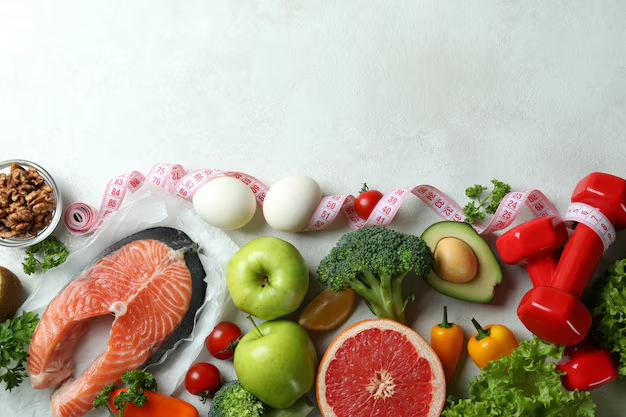
The link between nutrition and performance isn’t new, but recent research highlights just how critical dietary choices are for brain function, energy metabolism, and stress resilience. Poor nutrition can lead to fatigue, brain fog, and reduced productivity, while balanced dietary strategies can stabilize blood sugar, enhance cognitive function, and support long-term health.
Some of the most notable nutrition practices making headlines today include:
- Time-restricted eating (TRE) for better energy regulation.
- Low-glycemic, performance-focused diets to reduce crashes.
- Nootropic foods and supplements for brain health.
- Personalized nutrition powered by AI and biomarker testing.
- Gut-friendly foods that influence mood and focus.
1. Time-Restricted Eating and Daily Performance
Time-restricted eating (TRE), a form of intermittent fasting, has become one of the most discussed nutrition practices. Instead of focusing on what you eat, TRE emphasizes when you eat—usually within a window of 8–12 hours.
How It Supports Performance:
- Stabilized energy levels: TRE may improve insulin sensitivity, preventing mid-afternoon crashes.
- Better sleep and focus: Studies suggest TRE aligns with circadian rhythms, leading to improved cognitive function.
- Simplified routine: For busy professionals, TRE can streamline eating habits, reducing decision fatigue.
A 2023 study published in Nature Communications found that participants practicing TRE reported improved energy balance and better concentration compared to those eating across a wider window (Xie et al., 2023).
2. Low-Glycemic Eating for Sustained Energy
The concept of glycemic control isn’t new, but it’s making a comeback in the context of performance. High-glycemic foods like refined sugars and white bread cause rapid spikes and drops in blood glucose, leading to fatigue and poor focus.
Low-Glycemic Performance Tips:
- Replace refined carbs with whole grains, legumes, and vegetables.
- Prioritize protein-rich breakfasts to avoid morning energy dips.
- Pair carbs with healthy fats (like avocado or nuts) to slow digestion.
Emerging evidence also shows that balancing blood sugar levels throughout the day reduces workplace fatigue and supports better decision-making.
3. The Rise of Nootropic Foods and Natural Brain Boosters
Nootropics—substances that enhance cognitive function—are increasingly being studied in the context of daily performance. While supplements like caffeine and L-theanine are well known, there’s a growing focus on whole foods with nootropic effects.
Foods Linked to Better Focus and Memory:
- Blueberries: Rich in antioxidants that may protect the brain.
- Dark chocolate: Contains flavonoids that improve blood flow to the brain.
- Fatty fish: High in omega-3s, essential for brain cell health.
- Green tea: Provides a balance of caffeine and L-theanine for steady alertness.
A 2021 Harvard Health review emphasized that omega-3 fatty acids from fish can help reduce brain fog and support sustained concentration (Harvard Health, 2021).
4. Personalized Nutrition: AI and Biomarker Testing
One of the most exciting emerging trends is the shift toward personalized nutrition. With advancements in AI, wearables, and microbiome testing, individuals can now tailor their diets based on genetics, blood sugar responses, and gut health.
Examples of Personalized Nutrition Tools:
- Continuous glucose monitors (CGMs) that show how your body responds to specific foods.
- DNA-based nutrition plans that identify nutrient sensitivities.
- AI-driven meal recommendations that adapt to your health data.
This approach eliminates the guesswork, helping people identify the foods that optimize their personal performance. Companies like Zoe and Nutrigenomix are leading the way, making personalized nutrition a rapidly growing market.
5. Gut Health as a Key to Performance
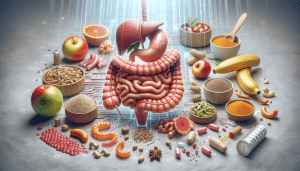
The connection between the gut and brain—often referred to as the gut-brain axis—is a hot topic in performance nutrition. Emerging research suggests that gut health plays a role not only in digestion but also in mood, mental clarity, and focus.
Gut-Friendly Practices for Better Performance:
- Include fermented foods like yogurt, kimchi, and sauerkraut for probiotics.
- Eat fiber-rich foods to support gut microbiota diversity.
- Reduce ultra-processed foods, which can disrupt gut balance.
A 2022 review in Frontiers in Nutrition highlighted that individuals with diverse gut microbiomes reported higher resilience to stress and improved mental clarity (Clarke et al., 2022).
Practical Guide: Daily Nutrition Practices for Peak Performance
To make this actionable, here’s a simple plan integrating emerging nutrition strategies:
Morning
- Start with a protein-rich breakfast (e.g., eggs, Greek yogurt, or plant protein smoothie).
- Add low-glycemic carbs like oats or quinoa for slow-burning energy.
- Drink green tea instead of high-sugar energy drinks.
Midday
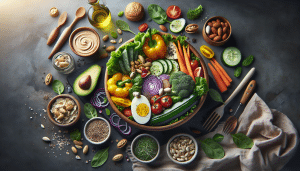
- Stick to balanced meals with lean protein, vegetables, and healthy fats.
- Keep snacks simple—nuts, berries, or hummus with veggies.
- Avoid heavy refined carbs to prevent post-lunch crashes.
Evening
- Finish eating within your time-restricted window to support circadian rhythm.
- Focus on light, easily digestible meals with fiber and healthy fats.
- Incorporate gut-friendly foods to aid digestion.
Weekly Add-Ons
- Include two servings of fatty fish (like salmon or sardines).
- Rotate in brain-boosting foods such as blueberries and dark chocolate.
- Experiment with a personalized nutrition tool to see how your body responds.
The Future of Nutrition and Performance
What makes this field particularly exciting is how rapidly it’s evolving. As technology merges with nutrition science, we’re moving toward more data-driven approaches where diets are tailored not just to populations but to individuals. At the same time, the emphasis on sustainable, whole-food-based nutrition remains a core principle.
Emerging conversations also point to workplace wellness programs adopting nutrition strategies that focus on mental performance and resilience. Rather than focusing solely on physical health, employers and health professionals are recognizing the role of nutrition in productivity and workplace satisfaction.
Conclusion
Nutrition practices that boost daily performance are no longer limited to generic advice like “eat more vegetables.” From time-restricted eating to AI-driven personalization, the latest trends reveal a shift toward science-backed and highly practical strategies that directly influence energy, focus, and resilience. By applying these emerging practices—whether through better meal timing, smarter carb choices, or investing in gut health—you can build a daily nutrition routine that sustains both body and mind.
As research continues to grow, one thing is clear: the way we eat has a direct impact on how we think, work, and perform. Focusing on nutrition as a tool for better daily performance is not just a passing trend—it’s becoming an essential part of modern living.
References
- Ezpeleta, M., Cienfuegos, S., Lin, S., Pavlou, V., Gabel, K., Tussing-Humphreys, L., Varady, K. A., & Humphreys, L. (2023). Time-restricted eating: Watching the clock to treat obesity. Cell Metabolism, Available at: https://www.cell.com (Accessed: 29 September 2025)
- Xie, Z., Sun, Y., Ye, Y., Hu, D., Zhang, H., He, Z., & others. (2022). Randomized controlled trial for time-restricted eating in healthy volunteers without obesity. Nature Communications, Available at: https://www.nature.com (Accessed: 29 September 2025)
- “Foods linked to better brainpower.” (2024, April 3). Harvard Health Publishing. Available at: https://www.health.harvard.edu (Accessed: 29 September 2025)

 Smart Home Devices That Enhance Comfort