Smart Home Devices That Enhance Comfort
Julian Novak September 29, 2025
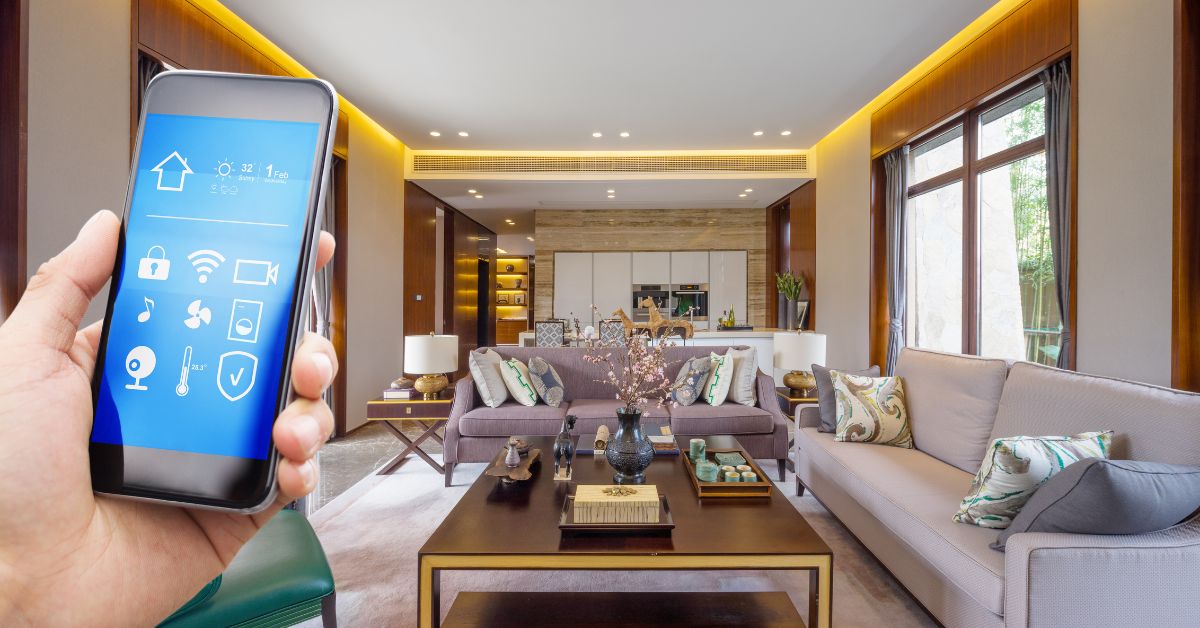
Smart homes have moved far beyond novelty. In 2025, homeowners are investing in smart home devices that enhance comfort, creating living spaces that adapt to daily routines and reduce stress. From voice-controlled environments to AI-driven climate management, these devices are no longer just about convenience—they’re about building a home that feels intuitive, responsive, and personal.
This article explores the emerging trends in smart home devices that enhance comfort, the technologies driving them, and the most practical devices available today. Whether you’re new to smart technology or looking to upgrade, these trends reveal where home comfort is headed.
Why Comfort Matters in Smart Homes
While smart devices originally focused on energy savings and security, comfort has quickly become a top priority for consumers. According to a 2024 report from Statista, global spending on smart home technology is projected to surpass $200 billion by 2028, with climate control and wellness features showing the strongest growth. People want homes that not only keep them safe but also improve their daily quality of life.
Comfort in this context isn’t just physical—it’s emotional. Devices that adjust lighting, sound, and temperature create environments that reduce stress, improve sleep, and make daily tasks smoother.
Emerging Trends in Smart Home Devices That Enhance Comfort
1. AI-Powered Climate Control
Traditional thermostats are giving way to AI-driven climate systems that learn user preferences over time. Instead of simply heating or cooling based on setpoints, these systems adjust temperature dynamically based on weather conditions, occupancy, and even air quality.
- Examples: Google Nest Thermostat, Ecobee Smart Thermostat
- What’s new: Devices now integrate with indoor air quality sensors to maintain humidity and filter pollutants, creating healthier and more comfortable environments.
2. Smart Lighting for Mood and Health
Lighting plays a critical role in comfort, particularly as research continues to show its impact on circadian rhythms and mental health. Smart lighting systems now offer adaptive lighting, which adjusts brightness and color temperature throughout the day to align with natural cycles.
- Morning: Brighter, cool-toned light to increase alertness
- Evening: Warmer, dim light to prepare the body for rest
Brands like Philips Hue and Nanoleaf are expanding with AI-based scene creation, which tailors lighting to activities such as reading, working, or relaxing.
3. Voice and Gesture-Controlled Environments
Comfort is also about seamless control. The latest devices reduce friction by enabling homeowners to manage settings with simple voice commands or even hand gestures.
- Voice assistants like Amazon Alexa and Google Assistant now integrate with nearly every major smart home platform.
- Gesture control, available in products like the Samsung SmartThings Station, allows for quick adjustments without needing a phone or remote.
4. Smart Furniture and Sleep Technology
Furniture is becoming part of the smart ecosystem. Beds that adjust firmness, track sleep quality, and even regulate temperature are now widely available.
- Sleep Number’s Climate360 bed regulates temperature on each side for personalized comfort.
- Smart recliners and desks with built-in massage or posture monitoring support physical well-being.
As remote work continues to shape lifestyles, comfort-focused furniture is expected to expand further.
5. Multi-Room Audio and Soundscapes
Sound has a powerful effect on mood and comfort. Smart speakers have evolved beyond streaming music—they now create personalized soundscapes for relaxation, focus, or sleep.
- Products like Sonos Era 300 and Bose smart speakers integrate spatial audio for immersive experiences.
- Some devices offer adaptive noise masking, helpful in busy households or urban apartments.
6. Integration of Wellness Monitoring
Another major trend in 2025 is the integration of wellness data into smart home devices. Sensors in thermostats, lights, or even mirrors now track metrics such as air quality, sleep, and stress indicators.
- Smart mirrors like CareOS Themis provide personalized health insights during daily routines.
- Air monitors such as Awair Element connect with HVAC systems to maintain optimal living conditions.
Practical Guide: How to Choose Smart Home Devices That Enhance Comfort
With so many options available, it’s easy to get overwhelmed. Here are some practical steps to make the right choice:
- Identify Your Needs
- Are you focused on better sleep, improved air quality, or overall ease of control?
- Prioritize devices that solve a specific discomfort in your daily life.
- Check Compatibility
- Ensure the device works with your preferred ecosystem (Amazon Alexa, Google Home, Apple HomeKit).
- Look for Matter-compatible devices for greater interoperability.
- Evaluate Long-Term Value
- Devices like smart thermostats may have upfront costs but deliver energy savings that offset the investment.
- Look for Adaptive Features
- Prioritize devices that learn from your habits and adjust automatically.
- Security and Privacy
- Choose brands with strong data protection policies. Comfort shouldn’t come at the cost of digital safety.
The Role of AI in the Future of Comfort
Artificial intelligence is becoming the invisible backbone of comfort in smart homes. Instead of manual inputs, devices now anticipate needs. For example:
- A thermostat lowers the temperature when you fall asleep based on your past patterns.
- Lights gradually brighten in the morning without requiring an alarm.
- Air purifiers activate automatically when outdoor air quality drops.
This predictive model transforms homes from reactive environments into proactive ones, giving homeowners a sense of seamless comfort.
Challenges to Widespread Adoption
While the growth of smart home devices that enhance comfort is rapid, several challenges remain:
- Cost: Premium devices may still be out of reach for some consumers.
- Complexity: Managing multiple apps and systems can feel overwhelming without proper integration.
- Privacy concerns: As devices collect health and behavioral data, transparency and control over that data become crucial.
These issues need addressing for comfort-driven smart homes to become mainstream globally.
Conclusion: Comfort as the New Standard in Smart Homes
Smart home devices that enhance comfort are no longer futuristic—they’re becoming standard features in modern living. From AI-powered climate systems to adaptive lighting and smart furniture, the focus has shifted from novelty to necessity. As technology continues to evolve, homes will increasingly adapt to our needs, creating spaces that are not only functional but deeply comfortable.
For homeowners, the opportunity lies in choosing devices that truly enhance everyday life—balancing convenience, health, and emotional well-being. In 2025 and beyond, comfort will define the next generation of smart living.
References
- Statista. (2024). Smart Home – Worldwide. Available at: https://www.statista.com (Accessed: 29 September 2025)
- Consumer Technology Association (CTA). (2024). Smart Home Trends Report. Available at: https://www.cta.tech (Accessed: 29 September 2025)
- The Verge. (2025). The Next Phase of Smart Homes: Comfort and Wellness. Available at:https://www.theverge.com (Accessed: 29 September 2025)

 Gardening Tips That Encourage Eco-Friendly Practices