Secrets to Thriving Indoor Plants in Your Space
Julian Novak November 1, 2025
Discover insightful tips to help your indoor plants flourish, even if you think you lack a green thumb. This hands-on guide sheds light on thriving houseplants, resilient varieties, and practical indoor gardening techniques so your home feels more vibrant naturally.
Understanding Indoor Plant Needs for Success
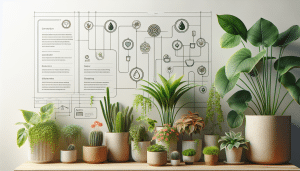
When you add indoor plants to your home, understanding their needs is the foundation for success. Light, water, soil, and air circulation all contribute to the long-term health of houseplants. Adequate sunlight is key, but every plant species requires a different amount. Some species, like snake plants or pothos, adapt to low light, making them ideal for apartments or north-facing rooms. Matching each plant’s light preference to your living space prevents wilted leaves and encourages robust growth. Even small changes in placement can make an impressive difference in how well greenery flourishes indoors. Explore more on light requirements and plant selection from reputable sources such as university extension programs and gardening non-profits (https://extension.psu.edu/indoor-plants).
Besides light, proper watering routines help guard against common issues. Overwatering leads to root rot, while underwatering causes dryness and stress. Observing the topsoil’s dampness and only watering when needed helps plants remain lively. For most common houseplants, letting the soil dry slightly before the next drink is best practice. Pair that with pots equipped with drainage holes to avoid waterlogged roots. Small habits, like using room-temperature water and watering in the morning, can encourage healthier soil microbiomes and limit disease risks.
Soil and air circulation have subtle yet powerful effects on resilient indoor plant growth. Loamy, well-aerated soil ensures roots can breathe. Mixing in perlite, peat moss, or coconut coir boosts aeration and water retention, especially in homemade potting mixes. Regularly opening windows or running fans supports healthy air movement, minimizing fungal disease outbreaks. Indoor gardeners who pay attention to these basics often report lush, green living spaces.
Brightening Dim Spaces With Low Light Plants
Even rooms that receive little sunlight can enjoy the beauty of indoor plants. Many resilient varieties specifically adapt to low light, bringing lively color and texture to dimly-lit bedrooms, offices, and entryways. Snake plants, ZZ plants, and philodendrons tolerate less natural light while remaining hardy and forgiving for new indoor gardeners. They thrive on a weekly watering schedule and handle indoor conditions with ease. This makes them favorites for busy professionals or students wanting to add greenery without daily fuss.
Pothos and peace lilies are also top recommendations for low-light gardening. Their sturdy leaves filter indoor air and improve home ambiance effortlessly. Care is minimal: indirect light, occasional feeding, and monitoring for overwatering is often enough. These species naturally resist common pests, meaning fewer worries about infestations. Some studies have suggested that green houseplants can boost mood and productivity—great news for those setting up a home office or quiet retreat. For more information, reputable gardening authorities recommend researching which low-light plants suit individual preferences and interiors (https://hgic.clemson.edu/factsheet/low-light-houseplants/).
While sunlight remains important, creative placement and reflective materials can further support plant growth in shaded locations. Try positioning mirrors, painting walls with lighter shades, or using artificial grow lights designed for indoor plants. With care and experimentation, even windowsills with limited light can become lush zones. Combining several low-light varieties creates layered texture and movement, transforming overlooked corners into green sanctuaries.
Watering and Fertilizing for Healthy Growth
Watering routines matter more than you might think when it comes to healthy indoor plants. Allowing the top inch of soil to dry out in between watering prevents root rot—a common problem for houseplants sitting in moist potting mix too long. Plants like succulents and cacti thrive with minimal moisture, while ferns or calatheas often want steady dampness. Knowing your plant’s specific preferences and seasonal water needs is the secret to lush growth.
Fertilizer can give houseplants an extra boost when used sensibly. During spring and summer, growth naturally speeds up, making this the best season for adding nutrients. Organic or liquid-based houseplant fertilizers are typically fast-acting and gentler for roots. Avoid overfeeding—most indoor plants only need fertilizing every 4–6 weeks during their growing period. Always check product labels or extension service advice for dosing and timing suggestions to avoid accidental damage.
Alongside the essentials, filtered or distilled water can soften the effects of hard tap water. Tap water sometimes contains salts or chemicals that gradually hurt sensitive species. Flushing the pot with plain water monthly helps prevent mineral buildup. Fertilizer and irrigation combined with regular observation make it easier to catch early signs of distress, like yellowing leaves or slow growth. Houseplant guides from universities offer in-depth watering and feeding strategies for home gardeners eager to elevate their skills (https://ag.umass.edu/home-lawn-garden/fact-sheets/care-of-indoor-plants).
Natural Pest Management Indoors
Indoor plants sometimes face pest threats, but simple habits help avoid trouble. Regularly inspecting leaves—top and bottom—can prevent common issues. Early signs may include sticky residue, tiny webs, or speckled leaves. All-natural pest management starts with isolating new plants for observation before mixing them into your living collection. Basic protection strategies save time and effort down the line.
For minor outbreaks, a gentle wash with lukewarm water removes aphids, spider mites, or scale insects. Many indoor gardeners rely on homemade insecticidal soaps containing mild ingredients like diluted dish soap. Natural predators, such as ladybugs, can also be introduced in enclosed spaces, though this option requires research and a controlled environment. Pests become less likely if you maintain proper humidity, avoid overwatering, and use clean, sterilized soil.
Beyond physical methods, some plants naturally repel insects. For example, growing lavender, rosemary, or peppermint indoors can discourage pests from settling in nearby pots. Preventative steps—such as routine cleaning and airflow improvement—form the cornerstone of non-toxic pest control indoors. Reliable home gardening resources stress that patience, observation, and prompt responses offer lasting protection for any indoor plant enthusiast (https://hgic.clemson.edu/factsheet/common-houseplant-insects-pests/).
Maximizing Space With Creative Plant Displays
Limited space is a common challenge, but creativity unlocks many possibilities for indoor gardens. Vertical solutions, such as wall-mounted shelves or tiered plant stands, allow you to group different species and create lively living displays. Hanging baskets add interest at eye level or above, giving trailing plants plenty of room to cascade. Compact fiddle leaf figs, monstera, or ferns all thrive in vertical arrangements, bringing a layered look to apartments or condos.
Repurposing household items, such as glass jars, teacups, or wooden crates, makes each plant display personalized. Grouping pots in odd numbers and mixing different leaf shapes or sizes creates movement and personality. Styling bookshelves and windowsills with small, easy-care succulents or air plants fills empty spaces without clutter. Use plant risers or stools to give height variety, lending visual rhythm and balance to your green collection.
Mirrors and light-reflecting surfaces can make smaller rooms feel brighter and amplify the effect of greenery. Some planters feature built-in self-watering systems for low-maintenance upkeep. Choosing resilient indoor plants ensures your displays stay lush with minimal care, even if sunlight or square footage is limited. Countless design ideas exist—explore reputable gardening resources for inspiration tailored to unique home styles (https://www.rhs.org.uk/plants/popular/houseplants).
Embracing Sustainable Indoor Gardening Practices
Sustainable indoor gardening is gaining favor among eco-conscious homeowners. Reusing and recycling household materials as planters or supports contributes to waste reduction. Selecting peat-free potting mixes or composting at home aligns with a greener mindset. Some enthusiasts go further by collecting rainwater or reusing lightly used kitchen water for plant care, reducing everyday impact on the environment.
Native or drought-tolerant houseplants require fewer inputs and adapt well to indoor conditions. These choices minimize the need for specialized fertilizers or pesticides, making houseplant care more affordable and planet-friendly over time. Seeking guidance on plant sourcing from certified nurseries or native plant organizations helps ensure ethical, sustainable gardening at home. Practices such as using LED grow lights and solar-powered tools are also becoming more mainstream among apartment gardeners prioritizing energy efficiency.
Repotting plants in biodegradable pots or creating your own compost at home supports circular gardening systems. Small actions taken over months and years encourage deeper connection to both nature and home. Reputable gardening organizations regularly publish guides and resources about eco-friendly techniques for all experience levels (https://extension.umn.edu/houseplants/indoor-gardening). Embracing these concepts transforms indoor plant care into a journey of stewardship and creativity.
References
1. Penn State Extension. (n.d.). Indoor plants for the home. Retrieved from https://extension.psu.edu/indoor-plants
2. Clemson Cooperative Extension. (n.d.). Low Light Houseplants. Retrieved from https://hgic.clemson.edu/factsheet/low-light-houseplants/
3. University of Massachusetts Amherst. (n.d.). Care of Indoor Plants. Retrieved from https://ag.umass.edu/home-lawn-garden/fact-sheets/care-of-indoor-plants
4. Clemson Cooperative Extension. (n.d.). Common Houseplant Insects & Related Pests. Retrieved from https://hgic.clemson.edu/factsheet/common-houseplant-insects-pests/
5. Royal Horticultural Society. (n.d.). Houseplants: A beginners’ guide. Retrieved from https://www.rhs.org.uk/plants/popular/houseplants
6. University of Minnesota Extension. (n.d.). Indoor gardening. Retrieved from https://extension.umn.edu/houseplants/indoor-gardening

 You Can Turn Ideas into Reality with a Startup Guide