Transform Your Yard with Low Maintenance Landscaping Ideas
Julian Novak October 28, 2025
Explore practical ways to create a beautiful yard without the constant upkeep. This guide covers low maintenance landscaping ideas that balance curb appeal, water conservation, and budget-friendly techniques, perfect for anyone seeking a thriving, relaxing outdoor space and an easier gardening routine.
Reimagining Outdoor Spaces with Low Maintenance Landscaping
Low maintenance landscaping ideas have changed how homeowners and gardening enthusiasts design their yards. Instead of traditional lawns and thirsty shrubs, many now seek solutions that save water, time, and effort while boosting curb appeal. Xeriscaping, for example, has emerged as an eco-friendly method that uses native plants and efficient irrigation techniques. By choosing drought-tolerant species and limiting expansive grass areas, it’s possible to lower utility bills and minimize garden chores. This not only transforms the look of outdoor spaces but also helps in adapting to changing climate conditions for a sustainable home environment.
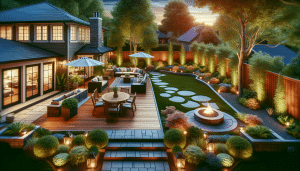
Another popular trend in modern landscaping is the strategic use of hardscaping. Incorporating decorative gravel, pavers, or even mulch paths reduces lawn footprint and cuts down on frequent mowing or watering. Hardscape elements are visually appealing and functional, aiding with drainage and defining zones for relaxation or entertaining. Incorporating seating areas with weather-resistant furniture or charming borders made from stone makes your yard more inviting without demanding too much ongoing upkeep. These decisions support both beauty and efficiency, fitting perfectly with the principles of low maintenance landscaping.
For many, a key motivation is year-round enjoyment of the outdoors without constant effort. Choosing the right combination of ground covers, mulches, and evergreens helps keep the landscape attractive across seasons. Perennial plants, such as sedum and ornamental grasses, require less attention compared to annuals. Utilizing ground cover species not only limits weed growth but also adds texture to garden beds. As an added bonus, this approach often leads to a healthier ecosystem by attracting pollinators and improving soil health, making your outdoor retreat sustainable and vibrant.
Selecting Drought-Tolerant and Native Plants for Your Garden
Selecting the right plants is crucial for a successful low maintenance garden. Drought-tolerant plants have evolved to thrive with minimal watering, making them ideal for conserving resources and cutting back on yard chores. Popular choices include lavender, coneflowers, yucca, and Russian sage. These species bring color and visual interest while needing less intervention. Native plants are also at the heart of water-wise landscaping since they’re naturally suited to the local climate and soil conditions, reducing the need for fertilizers and pesticides and supporting local wildlife.
When planning out plant zones, group those with similar water and sunlight requirements. This ensures each section receives exactly what it needs without extra waste or effort. Local cooperative extensions and botanical gardens often provide excellent guidance on which plants perform best in your area. Investing time in research and talking to knowledgeable staff can help you avoid costly mistakes. Once established, native and drought-resistant plants typically require less watering, pruning, and replanting compared to exotic or fussy species, making them rewarding choices for home gardeners looking to create a resilient landscape.
Consider ground covers like creeping thyme or ice plant to fill spaces that grass would traditionally occupy. These low growing options blanket the soil, crowd out weeds, and keep maintenance to a minimum. Mixing in different species fosters biodiversity, reducing pest outbreaks. Moreover, these selections need little fertilization, which translates to ongoing savings both for you and the environment. As a bonus, native ground covers and flowering perennials can add layers of color and interest to garden beds, producing a tapestry effect that enhances your overall curb appeal.
Creative Hardscaping for a Low Effort, Stylish Yard
Hardscaping introduces durable and attractive surfaces to garden landscapes, requiring much less effort than traditional lawns. Materials such as brick, stone, decomposed granite, and concrete pavers stand up well to weather and foot traffic, providing structure and function. Pathways lined with gravel or stone define movement and spaces, while patios become an extension of indoor living. These elements are incredibly adaptable, working with yards of all sizes and reducing the overall area that needs regular watering or trimming.
Designing with hardscape goes beyond adding patios and walkways. Edging garden beds or lawn areas with stone or metal delineates spaces and deters the spread of invasive grasses. Retaining walls made from modular blocks help level sloped yards and allow for creative planted terraces. In smaller plots, container gardening atop paved sections introduces greenery with minimal soil disturbance and watering needs. By blending hard textures with lush plantings, you create visual drama while keeping routine care simple.
Many homeowners opt to include features like gravel gardens, which eliminate the need for frequent lawn mowing altogether. Gravel gardens are easy to install and can combine rocks, drought-tolerant plants, and striking sculptures for an artistic touch. Inviting living spaces, such as fire pits or outdoor dining nooks, provide places to unwind without demanding upkeep. For lighting, solar-powered fixtures set into stone or along pathway borders are efficient and add ambiance, all while maintaining the ease and sustainability central to low maintenance landscaping principles.
Efficient Irrigation Strategies for Sustainable Gardens
Water conservation is often at the core of low maintenance landscaping ideas. Installing drip irrigation systems is an excellent method for delivering water directly to plant roots, minimizing evaporation and runoff. Drip lines can be placed under mulch or gravel, further reducing water loss and preventing weed growth. Timers and moisture sensors automate watering schedules, allowing gardeners to maintain lush plants even during hot or dry spells with minimal manual involvement. This strategy not only saves time, but also promotes plant health by encouraging deep, resilient root development.
Mulching is another effective technique, both retaining soil moisture and stabilizing soil temperature. Organic mulches like bark chips, pine needles, or compost improve soil structure as they decompose. Inorganic options, such as gravel or rubber mulch, are long-lasting and hold up in high-traffic zones. Mulch discourages weed growth and reduces the frequency of watering, a win for any busy homeowner. By combining mulches with appropriate plant choices and irrigation systems, you set up a landscape that is self-sustaining and needs very little intervention.
Zoning the landscape into hydrozones groups plants with similar water needs together, allowing for tailored irrigation approaches. Rain barrels and greywater systems can supplement irrigation, making use of rainfall and household water for garden care. In drier regions, rain gardens redirect stormwater into planted basins, recharging groundwater and minimizing runoff. These practical methods blend convenience with sustainability, proving that eco-friendly, low upkeep yards are achievable through carefully selected irrigation practices and a holistic design approach.
Budget-Friendly Tips to Boost Curb Appeal with Less Work
Enhancing your home’s exterior doesn’t require a hefty investment or constant labor. Focus on eye-catching, low-effort projects that deliver major impact. Painting the front door in a bold shade or swapping out old hardware refreshes the entry in less than a day. Adding container gardens with perennial blooms, succulents, or grasses creates welcoming focal points without overloading your maintenance schedule. Mulch garden beds to define paths, boost soil health, and suppress weeds, all while adding a neat, finished look to the property.
Simple upgrades such as solar path lights, new house numbers, or an updated mailbox can modernize curb appeal quickly. Strategic plantings around walkways or porches add texture and color, and using evergreens or native shrubs keeps the facade lively without much care. Rock borders and decorative pebbles are inexpensive alternatives to traditional edging, giving gardens a crisp border. For large yards, consider natural meadow zones with wildflowers or ornamental grasses, reducing the area that needs regular mowing, watering, or fertilizing.
DIY garden projects also play a role in budget-conscious landscaping. Building a simple trellis, bird bath, or painted garden stones personalizes your yard in creative ways. Repurposed materials, such as old bricks or pallets, add character while saving money. Keeping maintenance low lets you enjoy your outdoor space more often, focusing on relaxation and gathering with friends and family. Every improvement, big or small, layers onto your yard’s charm, serving as a lasting investment in comfort, curb appeal, and enjoyable living.
Seasonal Tips for Keeping Your Low Maintenance Yard Vibrant
Low maintenance does not mean no maintenance. Each season brings its own set of tasks to keep your garden thriving. In spring, inspect irrigation lines, prune dead branches, and refresh mulches. Perennial beds benefit from dividing overcrowded plants, encouraging healthy blooms with minimal intervention. For summer, regularly check moisture levels, update containers with heat-tolerant choices, and deadhead spent flowers to extend their showy display. Quick seasonal tune-ups prevent bigger issues later on, helping your landscape stay lush and hassle-free.
Fall prep pays dividends for the next year. Remove annuals and compost healthy debris. Plant bulbs suited to your region for surprise spring color and rake leaves into garden beds as extra mulch. Protect vulnerable evergreens with burlap or windbreaks if you live in harsh climates. For winter months, clear heavy snow from shrubs to prevent breakage and scan for signs of deer or rabbit damage. Protecting your garden from the elements ensures those low maintenance features are preserved year after year, maximizing your initial investment of time and resources.
Throughout the year, occasional weeding and checking for pests are required but minimal when relying on dense ground covers and native plants. Keep tools organized and close at hand for quick fixes, and regularly step back to enjoy the evolving forms and colors of your landscape. By working in sync with the seasons and using nature as your guide, your yard remains an oasis for relaxation, wildlife, and everyday enjoyment, all without the strain of constant upkeep.
References
1. United States Environmental Protection Agency. (n.d.). Water-Smart Landscapes. Retrieved from https://www.epa.gov/watersense/water-smart-landscapes
2. University of California Agriculture and Natural Resources. (n.d.). Sustainable Landscaping. Retrieved from https://ucanr.edu/sites/scmg/files/88861.pdf
3. Royal Horticultural Society. (n.d.). Drought-resistant gardening. Retrieved from https://www.rhs.org.uk/advice/profile?PID=397
4. National Wildlife Federation. (n.d.). Native Plants for Wildlife. Retrieved from https://www.nwf.org/Garden-for-Wildlife/About/Native-Plants
5. The Morton Arboretum. (n.d.). Mulching Trees and Shrubs. Retrieved from https://mortonarb.org/plant-and-protect/tree-plant-care/plant-care-tips/mulching-trees-and-shrubs/
6. Cornell Cooperative Extension. (n.d.). Hardscape Elements in the Landscape Garden. Retrieved from http://ccesuffolk.org/gardening/hardscaping-in-the-landscape-garden

 Hidden Gems That Transform Your Next Adventure