You Can Grow Thriving Indoor Plants Easily
Julian Novak November 9, 2025
Bringing lush greenery inside adds beauty and improves indoor air quality. This detailed guide explores the essentials for growing healthy indoor plants, from choosing the right types to creating optimal conditions—perfect for anyone transforming their living space.
Understanding What Indoor Plants Need
Indoor plants thrive on specific environmental factors which can dramatically influence their growth and longevity. Most indoor gardeners soon realize that light, temperature, and humidity all play pivotal roles. Whether working with leafy favorites like pothos or elegant peace lilies, it’s crucial to learn how much light each variety prefers—some do well with indirect sunlight, while others need several hours of direct rays daily. Setting your plants in areas where they match their individual light requirements supports continuous growth and lush foliage.
Equally important is regulating indoor temperature. Tropical plants, succulents, and popular ferns each handle different temperature ranges. While some tolerate the cooler drafts by windows, others like snake plants may perform best away from cold spots. Maintaining steady temperatures between 65 and 75 degrees Fahrenheit (18–24°C) often helps most houseplants feel at home. If you’re unsure, starting with hardy varieties like spider plants can offer a forgiving entry point.
Humidity is another essential concern, often overlooked in climate-controlled homes. Plants such as Boston ferns and calatheas require consistent moisture in the air, while many succulents thrive with less. Regularly misting certain varieties or grouping moisture-loving plants together can help maintain optimal growing conditions. Monitoring soil moisture alongside ambient humidity provides valuable cues about what indoor greenery needs to flourish.
Choosing the Right Indoor Plants for Your Space
Selecting the right plants involves considering factors like available space, lifestyle, and light conditions. Researching low-maintenance options is wise for newcomers or those with busy schedules—snake plants, ZZ plants, and philodendrons are resilient to occasional neglect. For homes bathed in sunlight, cacti, aloe vera, or jade plants will enjoy the rays and need occasional watering. More shaded environments support choices like ferns, dieffenbachia, and cast-iron plants, which adapt readily to lower light.
Personal preference also shapes plant selection. Some gardeners are drawn to vibrant flowering varieties like African violets or orchids, which add color and delicate beauty to rooms. Others prioritize air-purifying options—NASA studies suggest that spider plants, English ivy, and golden pothos can remove toxins such as formaldehyde and benzene from indoor environments (Source: https://www.nasa.gov/sites/default/files/atoms/files/jsc29299.pdf). Assessing family needs, such as avoiding toxic plants around pets or children, ensures a safe, welcoming green space.
Apartment dwellers or those in smaller homes needn’t sacrifice greenery. Compact options, including air plants and mini succulents, require little soil and thrive in creative displays like terrariums or wall-mounted containers. Living walls or vertical gardens can transform small or awkward spaces, maximizing growing area while promoting interior design flexibility. This personalized approach brings nature closer, no matter your living situation.
Mastering Proper Indoor Plant Care Routines
Once plants have settled into their new home, care routines must be tailored to individual species. Watering mistakes are common—overwatering, in particular, is a leading cause of root disease or wilting leaves. It’s essential to test the soil before each watering, especially for moisture-sensitive types like succulents or orchids. Using pots with good drainage and allowing the soil to partially dry between waterings helps avoid waterlogged roots and fungal growth.
Feeding schedules also vary widely. Many indoor plants benefit from monthly applications of diluted, balanced liquid fertilizers throughout the growing season. Leafy tropicals, for example, can suffer if starved of essential nutrients during spring and summer, leading to pale leaves or stunted growth. Remembering to pause fertilizing during dormant winter months supports the plants’ natural growth cycles, preventing fertilizer burn or stress.
Cleaning leaves and removing dead foliage is more than a cosmetic task—it supports plant health by reducing pest risks and improving photosynthesis. Dust settling on broad leaves like monstera or rubber plants can block sunlight, so gently wiping them with a damp cloth once a month keeps them sparkling and efficient. Pruning leggy stems or yellowing leaves focuses the plant’s energy on new, healthy growth, helping them stay vibrant year-round.
Preventing and Managing Common Indoor Plant Problems
Pests like spider mites, mealybugs, and aphids can infiltrate indoor plant collections quickly. Spotting these issues early can often save the plant. Regularly inspecting leaf undersides, stems, and soil for signs of infestation is crucial. Natural solutions—such as wiping affected areas with diluted soapy water or introducing beneficial insects—offer effective, chemical-free ways to manage pests (Source: https://extension.umn.edu/houseplants/houseplant-insect-control).
Disease can also affect houseplants, with root rot, powdery mildew, and leaf spot among the most frequent challenges. Overly wet soil conditions often promote root rot, so allowing containers to drain freely and never letting pots sit in standing water helps avoid this risk. Good airflow, regular pruning, and clean gardening tools help reduce fungal and bacterial infections, especially in dense or multi-plant displays.
Yellowing leaves, drooping stems, or lack of new growth may signal problems with water, light, or nutrients. By learning these warning signs and responding quickly—adjusting placement, watering, or fertilizing routines—owners can usually restore their plants to health. Keeping a simple care journal, noting changes in leaf color or growth rates, allows issues to be noticed and corrected before they worsen.
Optimizing Your Indoor Environment for Happy Plants
With thoughtful planning, any home can provide ideal living conditions for houseplants. Positioning planters near east or west-facing windows gives them bright, filtered sunlight for several hours a day. Using blinds, sheer curtains, or specialized grow lights enables tailored lighting even on cloudy days or in rooms with limited natural sun. Automatic timers and smart bulbs also support consistent artificial lighting cycles, boosting growth all year.
Humidity and airflow matter as well. Using pebble trays, room humidifiers, or clustering humidity-loving species together helps maintain adequate moisture around the leaves. For drier climates, simple measures like misting or placing bowls of water on radiators add needed humidity. Adequate ventilation prevents mold and mildew buildup, while rotating plants every few weeks ensures even growth from all sides.
Seasonal adjustments help keep indoor gardens thriving over time. Many varieties enter a dormant phase in winter; watering and feeding should be reduced to prevent shock. In spring, gently repotting with fresh soil, trimming roots, and replenishing depleted nutrients stimulates a burst of new growth. These periodic changes help create an indoor ecosystem that continually flourishes, offering greenery and satisfaction year-round.
Exploring Creative Display Ideas for Indoor Plants
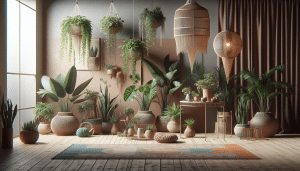
Creative displays are about more than just aesthetics—they impact plant happiness, too. Hanging baskets in sunny spots or using macrame holders can free up surface space while still providing plenty of light. Tiered shelves or ladder stands bring depth to room corners and invite playful combinations of different plant heights and colors, creating dynamic conversations between species.
Unconventional containers, such as repurposed teacups, vintage jars, or minimalist planters, illustrate personality and blend with current home decor trends. For those with a love of technology, smart planters with built-in moisture sensors and LED lighting can streamline care routines. Combining plants with art—like framed moss walls or geometric wall planters—turns living greenery into a functional centerpiece.
Tabletop terrariums, small greenhouses, and glass domes can house humidity-loving mini plants while showcasing their intricate forms up close. Windowsills brimming with herbs or succulents make kitchens feel inviting and functional. Experimenting with plant groupings, mixing textures and foliage types, rewards creativity and ensures each plant receives the conditions that suit it best.
References
1. National Aeronautics and Space Administration (NASA). (1989). Interior Landscape Plants for Indoor Air Pollution Abatement. Retrieved from https://www.nasa.gov/sites/default/files/atoms/files/jsc29299.pdf
2. University of Minnesota Extension. (n.d.). Houseplant Insect Control. Retrieved from https://extension.umn.edu/houseplants/houseplant-insect-control
3. Environmental Protection Agency (EPA). (n.d.). Indoor Plants and Air Quality. Retrieved from https://www.epa.gov/indoor-air-quality-iaq/indoor-plants-and-air-quality
4. National Institutes of Health. (2015). Interaction with indoor plants may reduce psychological and physiological stress. Retrieved from https://www.ncbi.nlm.nih.gov/pmc/articles/PMC4419447/
5. Royal Horticultural Society. (n.d.). A Guide to Growing Indoor Plants. Retrieved from https://www.rhs.org.uk/plants/types/houseplants
6. The Old Farmer’s Almanac. (n.d.). Best Houseplants for Beginners. Retrieved from https://www.almanac.com/best-houseplants-beginners

 Unlocking the Secrets of Affordable Home Buying