Emerging Trends in Sustainable Business Practices
Adrian Cole September 19, 2025
Sustainability has transitioned from a buzzword to a business imperative. As the world faces unprecedented environmental challenges, companies are, consequently, under increasing pressure to rethink their operations and, in turn, adopt sustainable business practices. From cutting-edge green technologies to circular economy strategies, businesses across various sectors are pushing the boundaries of innovation to minimize their environmental impact while still delivering value to shareholders.
In this article, we’ll explore the top emerging trends in sustainable business practices and, furthermore, examine how companies are making significant strides in creating a more sustainable future. These trends not only benefit the planet but also help businesses stay competitive in an increasingly eco-conscious market.
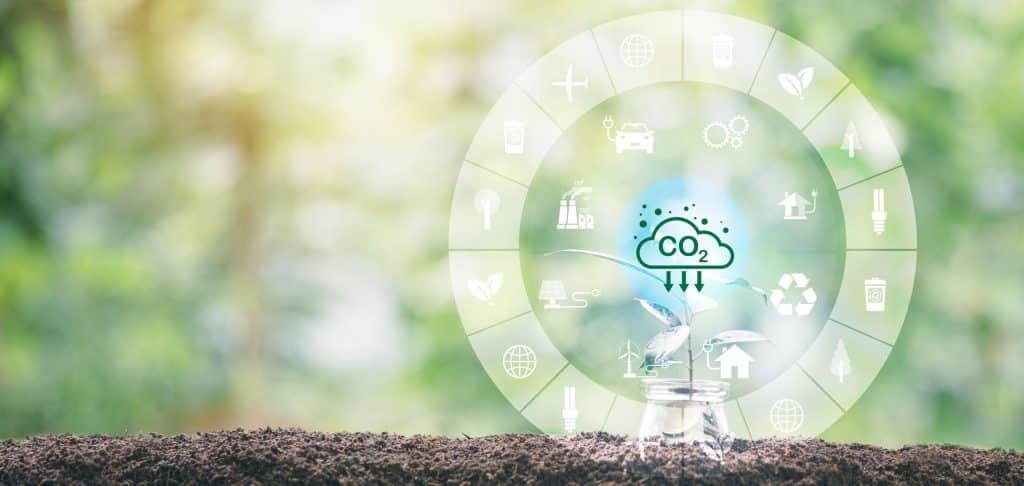
1. Green Technologies Revolutionizing Industries
One of the most notable trends in sustainable business practices is the rise of green technologies. As technological innovations advance, businesses are increasingly turning to these solutions to reduce their carbon footprints and improve resource efficiency. For instance, here are a few key green technologies that are gaining traction:
- Renewable Energy Integration: Solar, wind, and hydroelectric power sources are becoming more cost-effective and efficient. As a result, many companies are transitioning to renewable energy sources to power their operations, thereby helping reduce their reliance on fossil fuels.
- Energy-Efficient Systems: From LED lighting to advanced HVAC systems, energy-efficient technologies are, therefore, drastically lowering energy consumption in commercial buildings, helping businesses reduce both costs and environmental impact.
- Carbon Capture and Storage (CCS): CCS, or Carbon Capture and Storage, is an emerging technology that effectively captures carbon dioxide emissions from industrial processes. Once captured, these emissions are then stored underground, thereby preventing them from being released into the atmosphere and contributing to climate change.
- Sustainable Manufacturing: Advances in 3D printing and additive manufacturing are allowing companies to create products with minimal waste and energy consumption, contributing to more sustainable production processes.
These innovations are not just about cutting costs—they are part of a larger shift toward creating a more sustainable and environmentally responsible way of doing business.
2. The Rise of the Circular Economy
The circular economy is a model that aims to eliminate waste and extend the lifecycle of products by encouraging reusability, repair, and recycling. Unlike the traditional linear economy (take, make, dispose), the circular model is regenerative by design, aiming to close the loop of product life cycles through better resource management.
Key aspects of the circular economy include:
- Product Life Extension: Companies are designing products that are easier to repair, upgrade, or repurpose, ensuring they have a longer lifespan.
- Recycling and Upcycling: Many businesses are now focusing on taking materials from used products and reusing them in new products, which reduces the need for raw materials and minimizes waste.
- Renting and Sharing Models: Instead of selling products, some companies are adopting models where consumers rent or share items, reducing overall production and consumption.
For example, companies like IKEA are shifting toward a circular business model by offering furniture repair and recycling services. This approach not only reduces waste but also helps companies secure long-term customer loyalty by offering services that go beyond just selling products.
3. Sustainable Supply Chains and Responsible Sourcing
In today’s globalized world, businesses rely on complex supply chains that often stretch across multiple continents. These supply chains can have significant environmental and social impacts, from deforestation to unfair labor practices. As sustainability becomes more critical, companies are rethinking how they source materials and manage their supply chains.
Emerging trends in sustainable supply chains include:
- Responsible Sourcing: Companies are increasingly holding suppliers to high environmental and social standards. This includes sourcing raw materials from suppliers that prioritize fair wages, labor rights, and environmentally friendly practices.
- Traceability and Transparency: Thanks to digital tools like blockchain, companies can now trace their products’ journey from raw material extraction to delivery. This transparency helps ensure that products are ethically sourced and manufactured, while also enabling consumers to make informed choices.
- Localizing Supply Chains: Many companies are looking to reduce the carbon footprint of transporting goods globally by sourcing products closer to home. This not only helps the environment but also supports local economies.
4. Sustainable Packaging Solutions
With the growing concern over plastic pollution, businesses are rapidly moving away from traditional packaging methods. Sustainable packaging solutions are a key trend that is reshaping the way companies package their products. This includes:
- Biodegradable and Compostable Packaging: Companies are exploring alternatives to plastic, such as biodegradable packaging made from plant-based materials, that can decompose naturally and leave behind no harmful residues.
- Minimalist Packaging: Brands are reducing the amount of packaging they use, ensuring that their products are not over-packaged and that packaging materials are as minimal as possible.
- Reusable Packaging: Some companies are offering packaging that can be returned or reused, thus contributing to the circular economy model by reducing single-use waste.
As consumers become more aware of the environmental impacts of packaging, businesses that adopt sustainable packaging solutions are likely to build trust and loyalty with eco-conscious buyers.
5. Sustainable Business Models and Carbon Footprint Reduction
Many businesses are embracing new business models that are specifically designed to minimize their environmental footprint. These models include:
- B Corporation Certification: Companies are seeking B Corp certification, which recognizes organizations that meet rigorous social and environmental performance standards. This is a growing trend as companies look to balance profit with purpose.
- Net-Zero Goals: A growing number of businesses are committing to achieving net-zero carbon emissions. This involves reducing emissions as much as possible and offsetting any remaining emissions through initiatives like carbon credits or investing in renewable energy projects.
- Eco-Friendly Product Development: Companies are creating products that are not only energy-efficient but also made from sustainable materials, designed to be recycled at the end of their life cycle.
These sustainable business models are not just good for the planet—they are becoming essential for long-term profitability as both consumers and investors increasingly demand environmentally responsible practices.
Conclusion
As the world faces growing environmental challenges, businesses have an unprecedented opportunity to lead the charge toward a more sustainable future. By adopting green technologies, embracing circular economy principles, and building sustainable supply chains, companies can make significant strides toward reducing their environmental impact while remaining competitive in today’s eco-conscious marketplace.
The trends discussed here are just the beginning. As more organizations innovate and collaborate, the future of business will be driven by sustainability, creating a win-win scenario for both the planet and the bottom line.
References
- Ellen MacArthur Foundation. (2020). What is the circular economy? Available at: https://www.ellenmacarthurfoundation.org (Accessed: 19 September 2025)
- McKinsey & Company. (2020). The next normal: Business sustainability in a post-pandemic world. Available at: https://www.mckinsey.com (Accessed: 19 September 2025)
- World Economic Forum. (2020). How the circular economy is reshaping business. Available at: https://www.weforum.org (Accessed: 19 September 2025)

 Steps to Improve Home Organization for Maximum Efficiency