Steps to Improve Home Organization for Maximum Efficiency
Julian Novak September 19, 2025
Home organization is no longer just about tidying up; it has become an essential strategy for improving productivity, mental well-being, and even your overall lifestyle. With the rise of minimalist living and increasing interest in maximizing space, people are constantly looking for innovative ways to organize their homes. Whether you’re dealing with a small apartment or a spacious house, a well-organized home can make a significant difference in your daily routine.
In this guide, we’ll dive into the steps to improve home organization for maximum efficiency, highlighting emerging trends and practical solutions that can enhance your living space.
1. Start with Decluttering
The foundation of any organized home is decluttering. It’s tempting to hold onto items that no longer serve a purpose, but clutter can create a chaotic environment that drains your energy. Begin by assessing every room in your house and categorizing items into three groups: keep, donate, and discard.
Tips for Decluttering:
- Start small: Begin with one room or area at a time to avoid feeling overwhelmed.
- Use the one-year rule: If you haven’t used an item in the past year, it’s likely time to part with it.
- Go vertical: When dealing with smaller items, use vertical space to store them. This opens up more surface area and keeps things organized.
Decluttering not only makes space for the essentials but also helps clear your mind. A tidy space can improve focus and productivity.
2. Implement Smart Storage Solutions
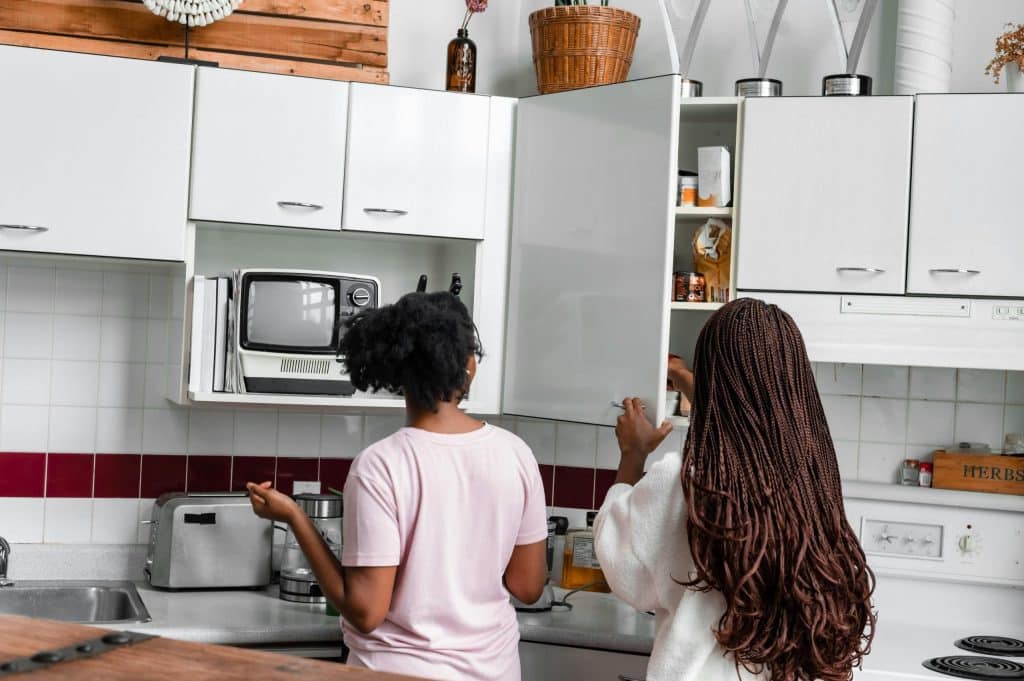
As the trend of smaller living spaces continues to rise, people are embracing smart storage solutions. The key to maximizing efficiency is utilizing every inch of your home, especially unused spaces like under the bed, inside cabinets, or high shelves.
Popular Storage Ideas:
- Under-bed storage: Use storage bins or drawers to keep seasonal items or things you don’t use every day.
- Vertical shelving units: Install floating shelves or tall storage units to store books, decorative pieces, or everyday items.
- Multi-purpose furniture: Opt for furniture that doubles as storage, such as ottomans with hidden compartments or coffee tables with drawers.
- Over-the-door organizers: These are ideal for bathrooms, closets, or kitchens, offering easy storage for shoes, cleaning supplies, or toiletries.
Efficient storage doesn’t mean compromising on style. Many modern storage solutions are sleek and functional, making them both practical and visually appealing.
3. Create Zones in Each Room
Establishing designated areas for specific activities can significantly improve your home’s functionality. By creating “zones,” you ensure that each space serves its purpose without overlap. This is especially important in open-plan homes, where multiple functions happen in one room.
How to Create Zones:
- Work zone: If you work from home, create a dedicated office space or desk area with everything you need for productivity, such as a chair, computer, and organizational tools.
- Relaxation zone: For a cozy living area, designate a section for relaxation. Keep books, cushions, and throw blankets easily accessible.
- Cooking zone: In the kitchen, group your cooking tools and ingredients by function, such as storing pots, pans, and utensils near the stove and cutting board.
When you design functional zones, it becomes easier to maintain an organized home, as everyone in the household knows exactly where to put things.
4. Optimize Digital Organization
In today’s world, home organization extends beyond physical spaces—it also involves digital organization. Digital clutter can be just as overwhelming as physical clutter, so implementing digital organization strategies is essential for maximizing efficiency.
Digital Organization Tips:
- Clean up your devices: Regularly delete old emails, photos, and files that you no longer need. Consider using cloud storage for important documents.
- Use productivity apps: Apps like Todoist or Evernote can help keep tasks organized, while Google Calendar helps you manage your schedule.
- File your documents: Create a consistent digital filing system that categorizes documents by type (work, personal, finance, etc.) for easy access.
Having a clutter-free digital environment contributes to your overall mental well-being and enhances your ability to stay on top of responsibilities.
5. Maintain Regular Routines
Once you’ve organized your home, it’s crucial to establish routines that keep things in order. This ensures that clutter doesn’t return and that everything remains in its designated space. Regular cleaning and tidying can make a huge difference in maintaining efficiency.
Effective Routines:
- Daily cleaning: Spend 10-15 minutes every day tidying up high-traffic areas, like the kitchen and living room. This can prevent messes from piling up.
- Weekly check-ins: Dedicate time each week to go through your home and ensure that everything is in its place. Take time to reorganize any areas that have become messy.
- Seasonal deep cleaning: Every few months, tackle larger tasks like washing windows, vacuuming air ducts, or sorting through storage areas.
Consistency is key to maintaining an organized home. The more regularly you stick to your routines, the less effort it will take to keep everything neat.
6. Use Organizational Tools and Labels
Tools like baskets, bins, and labels can make it easier to maintain organization in the long term. Labeling helps everyone in the household know where things go, reducing the chances of misplaced items.
Essential Organizational Tools:
- Storage bins: Clear bins help you see what’s inside, making it easier to access your belongings.
- Drawer dividers: Keep your kitchen drawers, desks, or bathrooms neat by using dividers to separate items.
- Label makers: Label boxes, shelves, or jars for easy identification, which will help reduce clutter.
Investing in these tools can make a big difference in how efficiently you organize your home.
7. Stay Consistent with Decluttering
As time passes, it’s easy to let items accumulate again. Keeping a regular decluttering routine is crucial for long-term efficiency. Set aside time every month to revisit areas that might have become disorganized, such as your closets or storage spaces.
Decluttering Tips for Longevity:
- Rotate seasonal items: Switch out seasonal clothes, holiday decorations, or outdoor gear to keep your home looking fresh.
- One-in, one-out rule: When you acquire a new item, make sure to donate or discard an old one. This prevents clutter from building up.
Staying on top of these small maintenance tasks ensures that your home remains organized and functional over time.
Conclusion
Home organization is an ongoing process that requires commitment and consistency. By following these steps, you can create a space that not only looks neat but also boosts productivity and well-being. Decluttering, optimizing storage, and creating functional zones are key components in achieving maximum efficiency. Don’t forget the importance of maintaining your efforts with regular routines and digital organization strategies.
With the right strategies in place, a well-organized home is within your reach.
References:
- Marie Kondo, The Life-Changing Magic of Tidying Up, Ten Speed Press, 2014. Available at: https://www.amazon.com (Accessed: 19 September 2025)
- Lifehacker. “How to Organize Your Home Without Losing Your Mind.” Available at: https://lifehacker.com (Accessed: 19 September 2025)
- Apartment Therapy. “15 Small Apartment Organization Tips That Make a Big Difference.” Available at: https://www.apartmenttherapy.com (Accessed: 19 September 2025)

 Fitness Challenges That Encourage Daily Activity