Fitness Challenges That Encourage Daily Movement
Camila Duarte September 23, 2025
Daily movement is no longer just a health recommendation—it’s become a cultural movement in itself. In a world where office jobs, remote work, and endless screen time dominate daily routines, people are seeking practical ways to stay active. That’s where fitness challenges that encourage daily movement step in.
These challenges are changing the way we think about exercise. Instead of requiring gym memberships, heavy training schedules, or professional coaching, they focus on small, consistent actions that are easy to integrate into everyday life. Whether it’s a workplace step competition, a social media-driven yoga challenge, or a tech-enabled movement streak, this trend highlights a broader shift in wellness: it’s not about perfection but about participation.
In this article, we’ll explore why fitness challenges are booming, the emerging trends driving their popularity, and how you can start or join one that fits your lifestyle.
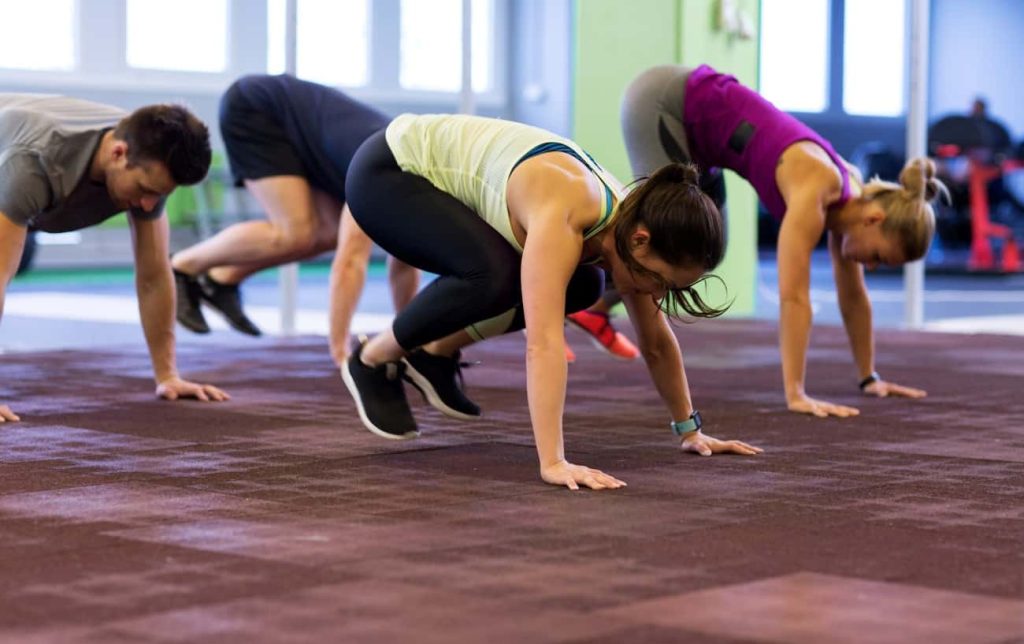
Why Fitness Challenges That Encourage Daily Movement Are Gaining Momentum
The surge in popularity of daily movement challenges is tied to how accessible and sustainable they are. Unlike marathon training or heavy lifting programs, these challenges invite people of all ages and fitness levels to get moving—no intimidating prerequisites required.
Some of the biggest reasons for their rise include:
- Accessibility for everyone – Most challenges require little to no equipment. Walking, stretching, or bodyweight exercises are usually enough.
- Psychological motivation – Tracking progress and achieving small wins creates a sense of accomplishment, which fuels consistency.
- Social accountability – Whether through a workplace program or social media, having others involved makes it easier to stick with the commitment.
- Wellness-focused approach – More people are prioritizing mental health, and consistent daily movement has been linked to reduced anxiety, better sleep, and improved focus.
According to the World Health Organization, around 27.5% of adults worldwide don’t meet recommended physical activity levels. Fitness challenges that focus on small, daily goals help close that gap by lowering barriers to participation.
The Shift Toward Wellness-First Fitness
A notable trend is how these challenges are reframing fitness as part of overall wellness rather than purely physical performance. While traditional fitness programs emphasized weight loss, strength, or aesthetics, today’s movement challenges also target mental clarity, work-life balance, and stress relief.
For instance, walking challenges have become just as popular for their meditative qualities as for their cardiovascular benefits. Stretching challenges reduce injury risk but also promote mindfulness. In short, fitness challenges now align with a more holistic idea of wellness that people are embracing globally.
Key Trends in Fitness Challenges for Daily Movement
1. Workplace Wellness Challenges
Employers are increasingly recognizing that sedentary work environments harm productivity and employee health. As a result, step challenges and activity competitions are becoming staples in corporate wellness programs.
For example, companies may host:
- Step-count competitions between teams.
- “Movement breaks” where employees log short bursts of activity.
- Hybrid challenges that combine physical activity with stress-management practices like yoga or breathing exercises.
The American Psychological Association reported in 2023 that workplaces offering wellness programs that include physical activity saw measurable improvements in employee satisfaction and reduced burnout rates. With hybrid work models continuing, expect to see even more employers invest in movement-based challenges.
2. Social Media-Driven Fitness Challenges
Platforms like TikTok, Instagram, and YouTube have transformed how people engage with fitness. Viral challenges range from the extreme (like “75 Hard”) to the approachable (like a 30-day plank or dance challenge).
Social media plays a unique role by providing:
- Visibility: Seeing friends, influencers, and even celebrities participate encourages widespread adoption.
- Community: Hashtags create global communities where participants share progress and motivate each other.
- Accessibility: Free tutorials and user-generated content make it easy to join without professional guidance.
However, it’s worth noting that while some viral challenges push unrealistic expectations, many emphasize achievable goals, such as walking a certain distance daily or stretching before bed.
3. Tech and Wearable Integration
Wearables have revolutionized the way people engage with daily fitness. Devices like Apple Watch, Fitbit, Garmin, and even smartphone health apps track steps, calories, heart rate, and activity streaks. They often include built-in challenges to encourage daily consistency.
The gamification of movement—earning badges, closing rings, or competing with friends—keeps users motivated. Research published in The Lancet Public Health in 2022 found that people using wearable devices increased their daily steps by an average of 1,235 compared to those who didn’t. That’s a measurable impact on public health.
Technology also allows for global participation. A user in New York can compete in the same movement challenge as a friend in Tokyo, creating a sense of connection that extends far beyond local gyms.
4. Hybrid Wellness Challenges
A growing trend is blending fitness with mindfulness practices. For example, instead of focusing purely on step counts, a challenge may pair daily walking with journaling or meditation. Others combine yoga sessions with gratitude practices.
This approach appeals to those who want a more balanced view of health—where mental resilience is just as important as physical stamina. It also mirrors broader cultural trends, where people seek ways to reduce stress and create sustainable routines instead of chasing short-term results.
5. Short, Flexible Challenges
Not everyone wants a 75-day program. In fact, shorter commitments are becoming increasingly popular. Examples include:
- 7-day walking streaks
- 10-day stretching challenges
- Two-week desk-mobility programs
These shorter challenges lower the barrier for entry and give participants quick wins, which often lead to longer commitments later.
Practical Guide: How to Start Your Own Daily Movement Challenge
If you’re inspired to begin, starting small and structured is key. Here’s a practical step-by-step guide:
Step 1: Define Your Goal
Decide what type of daily movement you want to commit to. Options include:
- Walking 20–30 minutes a day.
- Completing a set number of steps (5,000 to 10,000).
- Doing a 10-minute yoga or mobility session.
- Holding a plank for increasing lengths of time.
Step 2: Choose the Challenge Length
Pick something realistic. Beginners may benefit from a 10-day or 30-day challenge. Longer streaks can be motivating but may feel overwhelming.
3: Use Tools for Tracking
- Wearables (Fitbit, Apple Watch, Garmin).
- Free apps like Strava, MyFitnessPal, or Google Fit.
- Printable habit trackers for a screen-free option.
4: Find Accountability
- Join a workplace program.
- Create a group chat with friends.
- Share progress on social media using challenge hashtags.
5: Celebrate Small Wins
Reward yourself for milestones—such as completing your first week or hitting your step target consistently. Rewards could be as simple as a new playlist, a favorite snack, or scheduling downtime.
6: Adjust and Continue
Don’t treat missed days as failure. Instead, focus on long-term patterns. Consistency matters more than perfection.
The Broader Impact of Daily Movement Challenges
The growing popularity of these challenges is reshaping how people think about fitness. Instead of associating health with intense training or rigid routines, they highlight how small daily actions compound into meaningful results.
- Physical benefits: Increased cardiovascular health, reduced risk of chronic illness, improved strength and flexibility.
- Mental benefits: Lower stress levels, better mood, higher energy, improved sleep quality.
- Social benefits: Opportunities to connect with friends, colleagues, or even strangers through shared challenges.
Ultimately, fitness challenges that encourage daily movement are not just a trend—they’re part of a cultural shift toward sustainable wellness practices that people can maintain over time.
Final Thoughts
As wellness continues to dominate global conversations, fitness challenges that encourage daily movement stand out as both practical and powerful. They meet people where they are—whether that’s at a desk job, working remotely, or scrolling through social media—and make movement achievable in everyday life.
The beauty of these challenges lies in their simplicity: anyone can participate, and everyone benefits. Whether you’re looking for a workplace boost, a social accountability group, or a personal commitment to healthier habits, these challenges provide an accessible path toward better wellness.
In the coming years, expect to see even more integration of technology, hybrid practices, and community-driven approaches. What matters most, though, is this: daily movement is no longer optional—it’s an essential part of living well.
References
- World Health Organization. (2023). Physical activity. Available at: https://www.who.int (Accessed: 23 September 2025)
- American Psychological Association. (2023). Workplace wellness programs and employee well-being. Available at: https://www.apa.org (Accessed: 23 September 2025)
- Jakicic, J. M., et al. (2022). Effect of wearable technology combined with a lifestyle intervention on long-term weight loss: the IDEA randomized clinical trial. The Lancet Public Health. Available at: https://www.thelancet.com (Accessed: 23 September 2025)

 Unlocking the Power of Quantum Computing for Everyday Life