Healthy Eating Habits That Boost Energy
Camila Duarte September 18, 2025
Have you ever reached that 3 p.m. slump and wondered if you could just wave a magic wand to feel more energized? What if the key to combating fatigue and staying energized throughout the day lies in your eating habits? Recent studies reveal that making simple tweaks to what you eat can significantly boost your energy levels. This isn’t about quick fixes or energy drinks; it’s about consistent, healthy choices that nourish your body and mind. In this article, we’ll explore the latest trends in energy-boosting foods and practical eating habits you can incorporate into your routine today.

1. The Rise of Plant-Based Power: Why More People Are Going Green
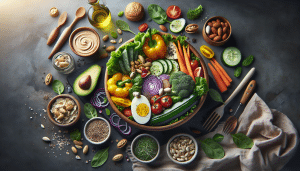
One of the biggest trends in energy-boosting nutrition is the rise of plant-based diets. While it’s no secret that vegetables are a cornerstone of a healthy diet, recent research has highlighted their remarkable potential to boost energy. These nutrient-dense foods are rich in vitamins, antioxidants, and fiber—all of which help support steady energy levels without the crash.
Key Benefits of Plant-Based Foods:
- Sustained Energy: Unlike processed sugars that cause quick energy spikes followed by crashes, plant-based foods provide a steady release of energy throughout the day.
- Rich in Fiber: Fiber helps regulate blood sugar levels, keeping your energy consistent. Foods like lentils, beans, and whole grains are fiber-rich and slow the release of glucose into the bloodstream.
- Vitamins and Antioxidants: Vegetables and fruits are packed with vitamins such as B-complex, which are known to improve energy production in the body.
Recent findings in plant-based diets suggest they might not only keep you energized but also improve overall wellbeing. People who adopt a plant-based lifestyle report increased energy and reduced feelings of fatigue due to the high intake of complex carbohydrates, healthy fats, and protein alternatives.
2. Superfoods to Supercharge Your Day
Another hot trend in boosting energy comes from incorporating superfoods into your daily meals. These foods are incredibly nutrient-dense and have been shown to combat fatigue effectively. From chia seeds to spirulina, these superfoods aren’t just hype—they’re scientifically backed as natural energy boosters.
Top Superfoods for Energy:
- Chia Seeds: Packed with omega-3 fatty acids, fiber, and protein, chia seeds are a great source of slow-release energy.
- Spinach: High in iron and magnesium, spinach helps to maintain healthy blood flow and oxygen circulation, preventing that afternoon slump.
- Acai Berries: Known for their antioxidant properties, acai berries are rich in healthy fats and fiber that help regulate blood sugar and provide long-lasting energy.
Adding these to smoothies, salads, or even as snack options throughout your day can make a noticeable difference in how you feel.
3. The Power of Hydration: More Than Just Water
Many people underestimate the importance of hydration in maintaining energy levels. Dehydration is one of the most common causes of fatigue, but it’s often overlooked. Drinking plenty of water, as well as hydrating foods like cucumbers, oranges, and strawberries, can make a big difference in keeping your energy up.
Hydration and Energy:
- Boosts Circulation: Staying hydrated ensures that your blood circulates effectively, helping deliver nutrients and oxygen to your cells for better energy production.
- Regulates Body Temperature: Proper hydration helps maintain an optimal body temperature, keeping you active and focused.
Studies show that even slight dehydration can lead to sluggishness and brain fog, making it harder to focus and stay productive.
4. Balanced Macronutrients: The Foundation of Steady Energy
While cutting out processed sugars and focusing on whole foods is essential, balancing your macronutrients—carbohydrates, proteins, and fats—is key to long-term energy maintenance. A diet that consists solely of low-carb or high-protein foods may leave you feeling deprived of the energy you need.
How to Achieve a Balanced Macronutrient Profile:
- Carbohydrates: Choose complex carbohydrates such as brown rice, quinoa, and sweet potatoes, which are slowly digested and provide a long-lasting source of energy.
- Proteins: Lean meats, tofu, and legumes help repair tissues and maintain muscle mass, preventing energy dips due to poor muscle recovery.
- Fats: Avocados, nuts, and seeds provide healthy fats that keep your energy levels up while supporting cellular function.
Recent research suggests that a balanced intake of these macronutrients is more effective at maintaining sustained energy levels than restrictive diets.
5. Gut Health: A New Frontier in Energy
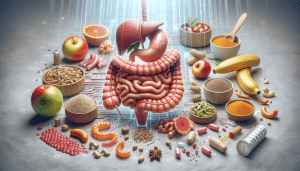
The connection between gut health and energy has become a major area of focus in recent years. Your gut microbiome, the collection of bacteria living in your intestines, plays a crucial role in regulating mood, digestion, and overall energy levels. A healthy gut supports the proper absorption of nutrients and prevents fatigue caused by digestive issues.
Ways to Improve Gut Health:
- Probiotics: Foods like yogurt, kefir, and kimchi are natural sources of probiotics, which support the growth of healthy bacteria in the gut.
- Prebiotics: Foods such as garlic, onions, and asparagus feed beneficial bacteria in your gut, helping maintain a healthy balance of microorganisms.
- Fermented Foods: Including fermented foods in your diet can improve gut function and increase energy levels by enhancing nutrient absorption.
Incorporating these gut-friendly foods into your meals can enhance energy levels and boost overall health.
Conclusion: Start Small, Stay Consistent
Boosting your energy through healthy eating habits doesn’t require a complete overhaul of your diet. Instead, start by incorporating more plant-based foods, hydrating properly, adding superfoods, and balancing your macronutrients. Keep in mind that consistency is key—small, sustainable changes can add up to a big difference in how you feel. If you adopt these practices regularly, you’ll notice your energy levels soar and your productivity improve, without the need for caffeine or energy drinks.
References
- Harvard T.H. Chan School of Public Health. (n.d.). The Nutrition Source: Plant-Based Diets. Harvard T.H. Chan School of Public Health. Available at: https://www.hsph.harvard.edu (Accessed: 18 September 2025)
- Mayo Clinic. (2023, January 23). Nutrition and healthy eating: Energy balance and energy-dense foods. Mayo Clinic. Available at: https://www.mayoclinic.org (Accessed: 18 September 2025)
- Harvard Medical School. (2021, September 23). Gut health and its connection to energy levels. Harvard Health Publishing. Available at: https://www.health.harvard.edu (Accessed: 18 September 2025)

 Using Tech Tools to Improve Education Outcomes