Using Tech Tools to Improve Education Outcomes
Leila Andersson September 18, 2025
In recent years, education has experienced a revolution, with technology becoming an indispensable tool in shaping the learning environment. From smart classrooms to personalized learning apps, the impact of tech tools is undeniable. In this article, we will explore how emerging tech tools are improving educational outcomes, enhancing engagement, and streamlining administrative tasks. We will also highlight practical examples of how these tools are making a difference in classrooms today.
The Rise of EdTech: A Game Changer for Education
With the global shift towards digital learning, educational technology (EdTech) is transforming how students learn and teachers teach. Innovations like online learning platforms, AI-based tutors, and interactive classroom tools are creating personalized learning experiences, allowing students to learn at their own pace and style. These tools are not only enhancing accessibility but also increasing the quality of education worldwide.
For example, platforms like Khan Academy and Coursera offer free online courses that allow students to access high-quality learning materials regardless of their geographic location. Similarly, AI-based tools like Socratic help students with homework by providing step-by-step explanations, making learning more interactive and personalized.
AI-Powered Personalization: Tailoring Learning to Each Student
One of the most significant advances in educational technology is the use of artificial intelligence (AI) to provide personalized learning experiences. AI can track students’ progress and adapt lessons to fit their learning speed and style, ensuring that each student is challenged but not overwhelmed.
For instance, DreamBox is an adaptive math program that uses AI to provide individualized instruction based on the student’s responses. If a student is struggling with a particular concept, the program will offer additional practice, while a student who is excelling will move on to more challenging material. This personalized approach helps students grasp difficult concepts more effectively and builds confidence in their learning abilities.
Smart Classrooms and Digital Learning Tools
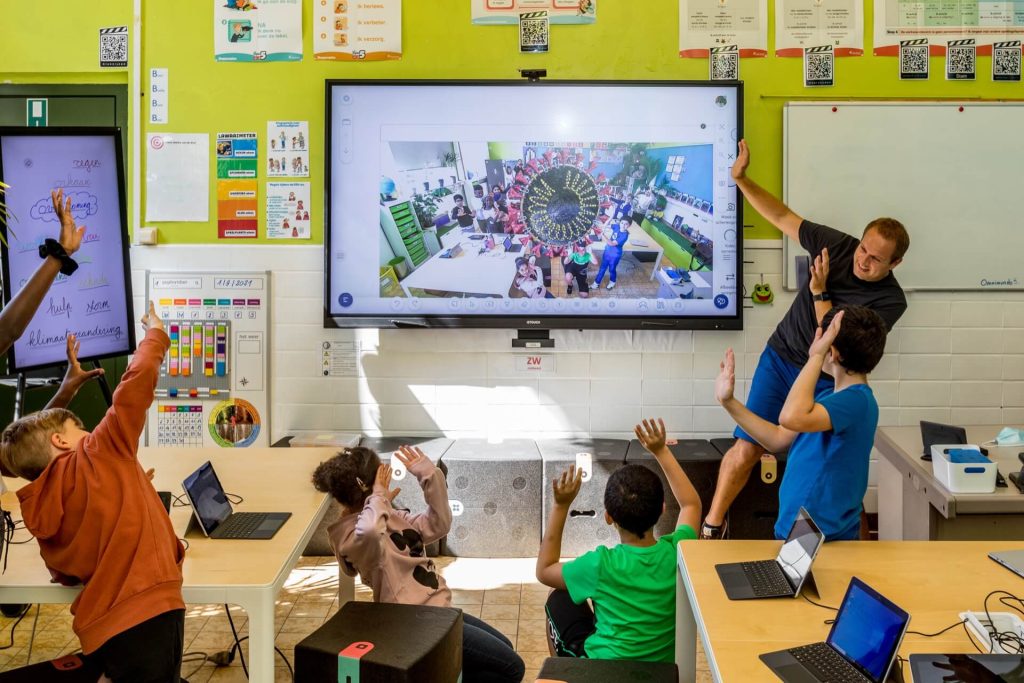
Smart classrooms are increasingly becoming a staple in schools around the world. These classrooms are equipped with digital tools like interactive whiteboards, projectors, and student response systems that allow teachers to engage students in real time. Tools like Google Classroom and Microsoft Teams facilitate collaboration among students and help teachers manage assignments, grade work, and track student progress.
The integration of these tools also benefits teachers by reducing administrative burdens. Teachers can automate grading and feedback, freeing up more time for instruction and student interaction. Furthermore, these tools provide valuable data on student performance, helping educators identify areas where students may need additional support.
Gamification: Making Learning Fun and Engaging
Gamification has emerged as a powerful tool for increasing student engagement. By incorporating game mechanics like points, levels, and rewards into lessons, teachers can motivate students to participate actively and retain information longer. For example, Classcraft allows teachers to turn classroom activities into a role-playing game where students can earn rewards for good behavior and academic achievement.
This approach not only makes learning more enjoyable but also encourages collaboration and problem-solving skills. The use of gamified learning apps has been shown to improve motivation, increase student participation, and even boost academic performance.
Tech-Enabled Collaboration: Bridging Gaps in Education
Tech tools are also breaking down the barriers to collaboration, enabling students to work together on projects regardless of location. Tools like Padlet, Trello, and Slack allow students to collaborate in real-time, share resources, and receive feedback instantly. This fosters a more dynamic and collaborative learning environment that prepares students for the collaborative nature of the modern workforce.
Virtual classrooms, webinars, and online group discussions make it possible for students to collaborate globally, sharing ideas and learning from peers across different cultures and perspectives. This global exposure enhances critical thinking, creativity, and communication skills—key competencies for success in today’s interconnected world.
The Role of Virtual and Augmented Reality (VR/AR) in Education
Virtual and augmented reality (VR/AR) technologies are pushing the boundaries of how educational content is delivered. VR/AR creates immersive experiences that can transport students to different environments, enhancing understanding of complex topics like history, biology, and geography.
For example, using Google Expeditions, students can take virtual field trips to places like the Great Wall of China or the surface of Mars, all from their classroom. This hands-on approach to learning helps students grasp concepts in ways that traditional textbooks cannot replicate, making education more exciting and memorable.
Tech Tools for Special Education: Enhancing Accessibility
Tech tools are also playing a crucial role in making education more accessible for students with disabilities. Tools like Read&Write, a text-to-speech software, help students with learning disabilities, such as dyslexia, by reading text aloud and providing additional support. Similarly, speech-to-text apps like Dragon NaturallySpeaking assist students with physical disabilities in completing assignments and participating in class.
For students with autism, apps like Proloquo2Go offer communication aids, helping them express themselves more easily. These tools ensure that every student, regardless of their learning challenges, has access to the resources and support they need to succeed in the classroom.
Conclusion: The Future of Tech in Education
As technology continues to evolve, so too will the ways in which we teach and learn. The future of education is bright, with more personalized, engaging, and accessible learning experiences on the horizon. Teachers and students alike can look forward to an increasingly connected and tech-driven educational landscape that empowers individuals to reach their full potential. The integration of innovative tech tools into everyday learning will not only make education more effective but will also prepare students to navigate an ever-changing digital world.
With the right integration of technology, education systems can bridge gaps in accessibility, improve student outcomes, and prepare learners for the challenges of tomorrow’s workforce. The possibilities are endless, and we are only scratching the surface of what technology can bring to education.
References
- Anderson, C. (2021). The rise of artificial intelligence in education: How AI is transforming the classroom. EdTech Magazine. Available at: https://www.edtechmagazine.com (Accessed: 18 September 2025)
- Garrison, D. R. (2020). How smart classrooms are shaping the future of education. EdTech Review. Available at: https://edtechreview.in (Accessed: 18 September 2025)
- Glover, J. (2020). Gamification in education: The power of game mechanics for student engagement. Educause Review. Available at: https://er.educause.edu (Accessed: 18 September 2025)

 Tips for Organizing Outdoor Spaces Efficiently