Nutrition Tips That Support Active Lifestyles
Camila Duarte September 23, 2025
Recently, more athletes and fitness enthusiasts are choosing plant-based diets to fuel their active lifestyles and improve performance. The health benefits of plant-based eating, from improved heart health to better digestion, are well-documented. But how exactly can a plant-based diet support athletic performance, endurance, and recovery? Research shows plant-based eating boosts health, energy, and vitality, making it a game changer for active individuals.
This article explores how plant-based nutrition enhances performance, accelerates recovery, and supports overall health for active lifestyles.
What is a Plant-Based Diet?
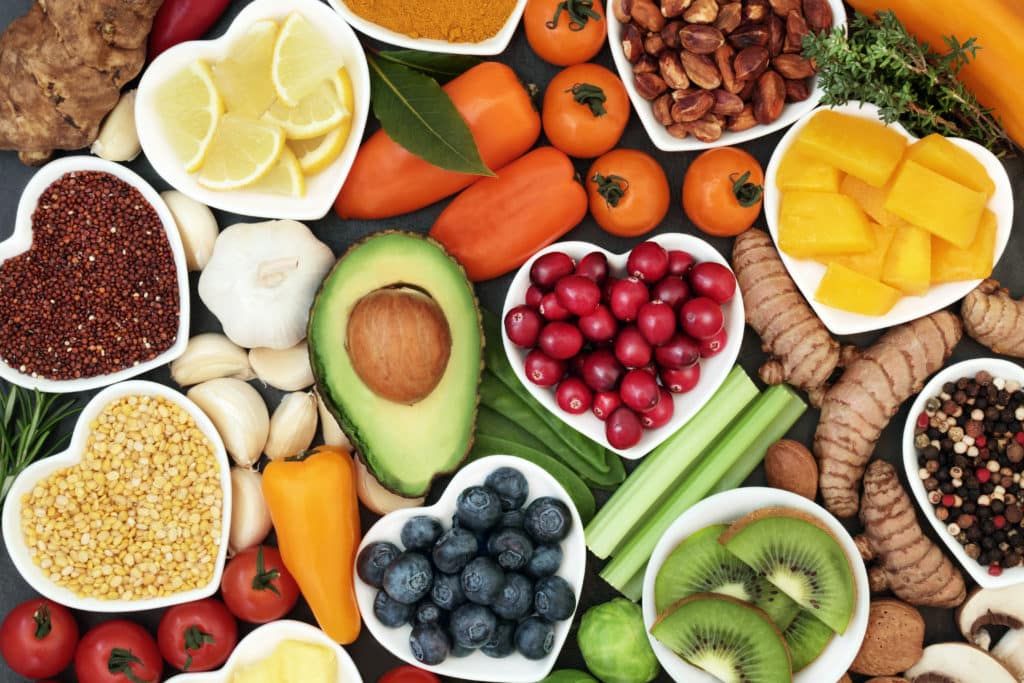
A plant-based diet focuses primarily on foods derived from plants, including vegetables, fruits, whole grains, legumes, nuts, and seeds. While it does not necessarily eliminate all animal products, the emphasis is on plant-based foods for optimal health. Unlike veganism, which eliminates all animal-derived foods, a plant-based diet can include small amounts of animal products, but the key principle remains plant-forward eating.
Plant-based nutrition has long been recognized for its benefits in reducing the risk of chronic diseases, such as heart disease and diabetes. In recent years, however, plant-based eating has gained popularity among athletes and fitness enthusiasts who recognize its potential to fuel and enhance athletic performance. With its focus on whole foods, this diet is rich in antioxidants, fiber, healthy fats, and plant-based protein—all essential for active individuals.
The Science Behind Plant-Based Diets for Active Lifestyles
Active individuals, including athletes, require optimal nutrition to support performance and recovery. Plant-based diets provide the essential nutrients needed to fuel the body for intense workouts and help muscles repair and rebuild. Here are some of the key scientific reasons plant-based nutrition is beneficial for active individuals:
- Higher Antioxidant Levels
One of the key benefits of plant-based nutrition is its high antioxidant content. Antioxidants help reduce oxidative stress, a common result of intense exercise. Foods like berries, leafy greens, and cruciferous vegetables are packed with antioxidants, including vitamins C and E, which help combat inflammation and support muscle recovery after exercise. Reducing oxidative damage allows for better recovery and less muscle soreness, enabling athletes to train harder and more frequently. - Improved Cardiovascular Health
Plant-based diets are known to improve cardiovascular health by lowering blood pressure, reducing cholesterol levels, and improving arterial function. These benefits are crucial for athletes, as enhanced cardiovascular health improves oxygen delivery to muscles and boosts endurance. Healthy fats found in plant-based foods—such as those in avocados, nuts, seeds, and olive oil—help to maintain heart health while providing a steady source of energy. - Better Digestive Health
The high fiber content of plant-based foods aids in digestion and supports the gut microbiome, which plays a critical role in overall health. A healthy gut allows for better absorption of nutrients, ensuring athletes get the most out of their food. Foods like beans, lentils, and whole grains are excellent sources of fiber, promoting good digestion and keeping the body fueled efficiently. - Protein and Amino Acids from Plants
A common misconception about plant-based diets is that they do not provide enough protein. However, plant-based sources can provide all the essential amino acids needed for muscle growth and repair. Foods such as lentils, quinoa, tofu, tempeh, and beans are excellent sources of protein. Additionally, plant-based proteins contain less fat and fewer calories than animal-based protein, making them an ideal choice for athletes looking to optimize their performance.
Plant-Based Nutrition Tips for Active Individuals
Switching to a plant-based diet may seem overwhelming at first, but with a little planning and knowledge, it can easily be adapted to meet the needs of an active lifestyle. Here are some practical nutrition tips to help you fuel your body with the power of plants:
- Prioritize Protein
Protein is vital for muscle repair and growth, especially after intense physical activity. Plant-based athletes should aim to include protein-rich foods in every meal. Some excellent sources of plant-based protein include:- Legumes: Lentils, chickpeas, black beans
- Tofu and Tempeh: Versatile, protein-rich sources
- Quinoa: A complete plant-based protein containing all nine essential amino acids
- Nuts and Seeds: Almonds, chia seeds, hemp seeds, and pumpkin seeds
- Focus on Complex Carbohydrates for Energy
Carbohydrates are the body’s primary energy source, especially during endurance exercise. To maintain energy levels throughout a workout, athletes should focus on consuming complex carbohydrates, such as sweet potatoes, whole grains, oats, brown rice, and quinoa. These foods provide a steady, long-lasting energy release without the crash that comes from refined sugars. - Include Healthy Fats
Healthy fats are essential for hormone regulation, energy, and muscle health. Include sources of healthy fats in your meals, such as:- Avocados: Rich in heart-healthy fats
- Nuts and Seeds: Almonds, walnuts, chia seeds
- Olive Oil and Coconut Oil: Great for cooking and adding flavor
- Flaxseeds and Chia Seeds: Packed with omega-3 fatty acids that support brain function and reduce inflammation
- Hydrate with Electrolytes
Staying hydrated is key to maintaining performance during exercise, especially in hot conditions. Plant-based foods like watermelon, oranges, bananas, and coconut water are rich in electrolytes like potassium, which help maintain fluid balance and prevent muscle cramps. Make sure to hydrate regularly before, during, and after your workouts. - Focus on Post-Workout Nutrition
After a workout, your body needs adequate nutrients to repair and rebuild muscle. A balanced post-workout meal should include:- Protein: Tofu, tempeh, or a plant-based protein shake
- Carbs: Sweet potatoes, quinoa, or whole grains
- Healthy Fats: A tablespoon of flaxseed oil or chia seeds
- Vitamins and Minerals: Leafy greens, bell peppers, or a nutrient-dense smoothie
- Consider Vitamin B12 Supplementation
Vitamin B12 is essential for nerve function, energy production, and overall health. Since it is not found in plant-based foods, those following a strict plant-based diet should consider supplementing with B12 or consuming fortified foods like plant-based milks and breakfast cereals.
Addressing Common Concerns
While plant-based diets offer numerous health benefits, it’s important to address some common concerns that athletes might have when considering this way of eating:
- Protein Deficiency: Plant-based diets provide a variety of high-quality proteins if the right foods are included. Aim for variety to ensure you’re getting all the essential amino acids.
- Calcium and Iron: Many plant-based foods like leafy greens, fortified plant milk, and tofu are rich in calcium. To ensure adequate iron intake, include iron-rich foods such as lentils, chickpeas, and spinach, and pair them with vitamin C-rich foods (like citrus fruits) to enhance absorption.
- Omega-3 Fatty Acids: While omega-3 fatty acids are primarily found in fish, plant-based sources like flaxseeds, chia seeds, and walnuts are excellent alternatives that support heart health and reduce inflammation.
Conclusion
A plant-based diet is not only good for your health, but it can also be a powerful tool for enhancing athletic performance. From providing essential nutrients that support muscle recovery to reducing inflammation and improving cardiovascular health, plant-based foods can help you achieve your fitness goals. Whether you’re an athlete or simply someone who leads an active lifestyle, switching to a plant-based diet can make a significant impact on your overall well-being.
As more athletes and fitness enthusiasts embrace plant-based nutrition, the evidence continues to grow, showing that a plant-powered diet is an excellent choice for those seeking peak performance, faster recovery, and long-term health.
References
- American Dietetic Association. (2009). Position of the American Dietetic Association: Vegetarian diets. Available at: https://www.jandonline.org (Accessed: 23 September 2025)
- Melina, V., Craig, W., & Levin, S. (2016). Position of the Academy of Nutrition and Dietetics: Vegetarian diets. Available at: https://www.jandonline.org (Accessed: 23 September 2025)
- The Physicians Committee for Responsible Medicine. (2020). A plant-based diet for active individuals. Available at: https://www.pcrm.org (Accessed: 23 September 2025)

 Gardening Practices That Improve Plant Growth